
Planting
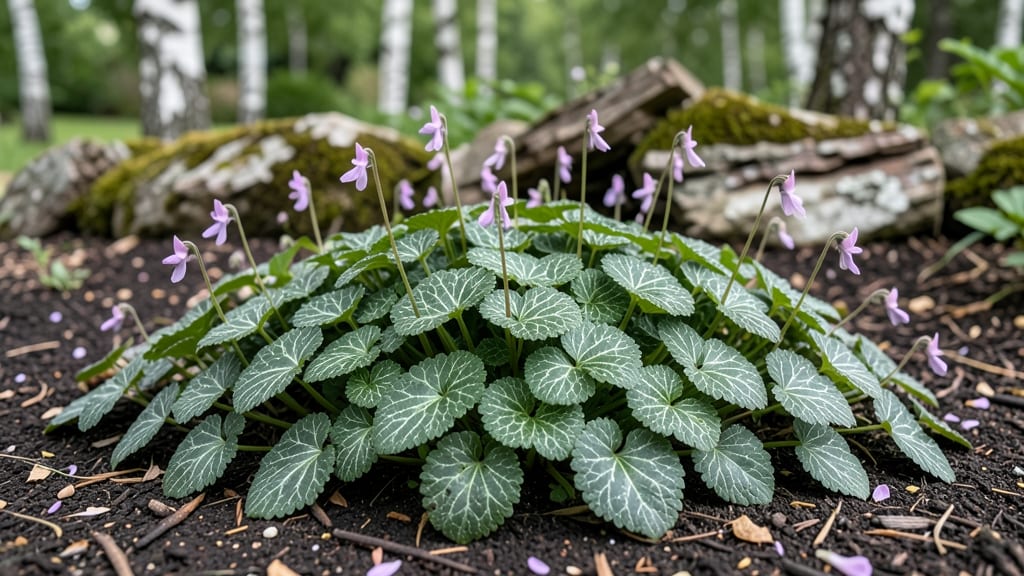
Lamium ground cover turns shady spots into lush, evergreen carpets with almost no effort from you. 🌿 I’ve watched this plant spread effortlessly under trees where nothing else grows, creating a velvety green blanket that stays vibrant through winter.
The secret lies in its adaptability—it thrives where most plants refuse to play. Planting is straightforward: well-draining soil, partial shade, and a little patience. Space plants 12-18 inches apart, and within a season, they’ll fill gaps with their trailing stems.
Water lightly after planting, then let nature take over—lamium detests soggy roots but handles drought surprisingly well once established. By summer, you’ll have a dense mat that chokes out weeds and prevents erosion.
The silver, purple, or chartreuse foliage adds texture to borders, and occasional blooms in spring bring a bonus splash of color. Prune back leggy growth in early spring to keep it tidy and encourage fresh growth. This plant works in containers, under shrubs, or as a living mulch.
Once it’s happy, it’s basically maintenance-free—just sit back and enjoy the drama without the fuss.
📚 In This Guide
- What you need
- Instructions
- Tips and common mistakes
- Wrapping up and next steps
What you need
- ● Ground cover lamium plants: 3–5 healthy nursery-grown plants (check for vibrant foliage and no pests). Pro tip: 💡 Opt for varieties like ‘Beacon Silver’ or ‘White Nancy’ for striking contrast.
- ● Well-draining potting mix: 1–2 bags (50 lbs each) of high-quality organic compost blended with perlite or sand (1:1 ratio for aeration).
- ● Garden soil (if planting outdoors): Amend native soil with 2–3 inches of compost to boost fertility.
- ● Mulch: 1–2 bags (1 cubic yard) of organic mulch (cedar chips or shredded bark) to retain moisture and suppress weeds.
- ● Watering can or hose with a gentle spray nozzle: For deep but gentle hydration (aim for 1–1.5 gallons per plant during establishment).
- ● Garden trowel or hand shovel: For digging small holes (6–8 inches deep).
- ● Gloves: A pair of gardening gloves to protect your hands from soil and thorns (some lamium varieties have mild prickles!).
- ● Pruning shears: For trimming leggy stems or shaping plants after planting.
- ● Measuring tape or ruler: To space plants 12–18 inches apart (closer for denser coverage).
- ○ Optional: Soil pH test kit: Lamium thrives in acidic to neutral soil (pH 6.0–7.0). Adjust with sulfur or lime if needed.
- ○ Optional: Slow-release fertilizer: A balanced 10-10-10 or organic fish emulsion (1 tbsp per plant) to kickstart growth.
- ● A sunny to partially shaded spot (4–6 hours of light daily). Pro tip: 🌡️ Avoid harsh afternoon sun in hot climates—lamium prefers dappled shade.
- ● Protection from strong winds (lamium is tender and may flop without support).
- ● Moisture-retentive soil: Lamium hates soggy roots but loves consistent dampness. Amend clay soil with compost!
How to plant and maintain lamium as a low-maintenance ground cover
This shade-loving perennial spreads effortlessly while delivering bold foliage year-round. Here's how to establish it with minimal fuss.
🌱 Step 1: Choose the Right Location and Prepare the Soil
Lamium thrives in partial to full shade where other plants struggle. Scan your yard for areas under trees or along north-facing foundations—these spots get 3-6 hours of dappled light daily, perfect for lamium. Avoid sunny locations where leaves will scorch and turn crispy at the edges.
Test your soil by squeezing a handful—it should hold together but not feel soggy. Amend heavy clay by mixing in 2-3 inches of compost to improve drainage. For sandy soil, work in 1 inch of peat moss to retain moisture. Lamium tolerates most soil types but performs best in moist, well-draining conditions.
🪴 Step 2: Plant Lamium in Early Spring or Fall
Dig holes twice as wide as the root ball but only as deep as the container's base. Space plants 12-18 inches apart for a dense carpet effect—closer spacing creates faster coverage but may require more frequent division. Gently tease apart roots if they're tightly bound before placing each plant in its hole.
Backfill with native soil mixed with 1 cup of compost per plant, tamping lightly to eliminate air pockets. Water deeply until moisture reaches 4 inches down. You'll know it's right when water pools on the surface for 5-10 seconds before draining. Mulch with 2 inches of shredded bark or leaves to conserve moisture and suppress weeds.
☀️ Step 3: Water Consistently and Monitor Growth
Keep soil evenly moist during the first 4-6 weeks—lamium establishes roots slowly. Water when the top 1 inch feels dry to the touch, aiming for 1 inch of water per week during dry spells. Overwatering causes root rot, so ensure containers or beds have proper drainage. Once established, lamium tolerates brief dry periods but revives quickly with consistent moisture.
Watch for new growth appearing within 2-3 weeks. Healthy plants develop bright, vibrant foliage with no yellowing between veins. If leaves appear pale or stretched, increase shade slightly—lamium's dramatic colors fade in intense light. Fertilize lightly in spring with ½ cup of 10-10-10 per 100 square feet to encourage lush spread.
✂️ Step 4: Prune and Divide for Year-Round Beauty
Trim back leggy stems in early spring to encourage bushier growth. Cut back ⅓ of the plant just above a set of leaves to redirect energy to new shoots. Deadhead faded flowers throughout the season to maintain neat appearance and prevent self-seeding. Lamium rarely needs pruning but benefits from occasional tidying to keep its dramatic foliage looking sharp.
Divide mature clumps every 3-4 years in early spring or fall. Dig up sections with a sharp spade, separating roots into 3-4 inch chunks with at least one growth point per section. Replant divisions immediately in prepared beds. This rejuvenates the parent plant and provides free new plants for filling gaps or sharing with fellow gardeners.
⏰ Step 5: Protect and Enjoy Year-Round Interest
Lamium handles winter beautifully but may need protection in Zone 5 or colder. Apply 2-3 inches of mulch after the first hard frost to insulate roots. In spring, remove mulch once new growth appears. The plant's striking foliage remains attractive even in winter, though flowers may fade in cold climates.
Monitor for slugs and snails, which occasionally nibble young leaves. Set out beer traps or apply diatomaceous earth around plants if damage appears. With proper care, your lamium ground cover will spread to fill spaces while requiring minimal attention—perfect for busy gardeners who still crave drama.
Tips & tricks for perfect lamium ground cover
Here's what nobody tells you about making lamium thrive with less effort.
Location is Everything: The 3-6 hours of dappled light mentioned in Step 1 is non-negotiable. I’ve seen lamium struggle in spots that get even 2 hours more direct sun—leaves turn dull and crispy at the edges. Test your spot by observing how sunlight moves throughout the day. Morning sun with afternoon shade works best, as does filtered light through tree canopies. If you must plant in a borderline area, start with a single plant to monitor its reaction before committing to a full bed.
Soil Prep Shortcut: For heavy clay soil, mix in those 2-3 inches of compost but add a handful of perlite to each hole when planting. This creates tiny air pockets that prevent waterlogging while still retaining moisture—lamium’s sweet spot. I’ve seen roots rot in pure clay even with compost because water can’t drain fast enough. If your soil feels like packing clay when wet, this tweak makes all the difference. For sandy soil, combine the 1 inch of peat moss with a sprinkle of coconut coir to improve water retention without compacting the soil.
Watering Hack: That 4-inch deep watering in Step 2 might seem excessive, but it’s the only way to ensure roots establish properly. Here’s the trick: water in the morning so the soil has all day to absorb moisture. Use a rain gauge or tuna can to measure your water output—most garden hoses deliver way more than 1 inch per week. I’ve found that setting a timer for 10-15 minutes per section (depending on soil type) gives consistent results. Overwatering is the #1 reason lamium fails, so don’t skimp on this step.
Winter Protection Secret: The 2-3 inches of mulch in Zone 5 or colder is your plant’s winter blanket. But here’s what they don’t tell you: if you’re expecting a particularly harsh winter, double that mulch to 4-5 inches after the first frost. I’ve seen lamium survive -10°F winters with this extra protection, while nearby plants with only 2 inches suffered frost damage. Remove the extra mulch in early spring once new growth appears—too much mulch in warm weather can smother roots.
Pro Tips for Ground Cover Lamium Plant
- Here's what nobody tells you about making lamium thrive with less effort.
- Location is Everything: The 3-6 hours of dappled light mentioned in Step 1 is non-negotiable.
- Soil Prep Shortcut: For heavy clay soil, mix in those 2-3 inches of compost but add a handful of perlite to each hole when planting.
Frequently asked questions
Got questions about Lamium ground cover? You’re not alone! Here are some of the most common concerns—plus quick, practical answers to keep your garden thriving with minimal fuss.
Is Lamium ground cover invasive?
Lamium (like Lamium galeobdolon or Lamium maculatum) is not invasive—unlike mint or creeping Charlie. It spreads slowly via runners but stays contained in well-defined beds. To prevent stray shoots, trim back edges occasionally or plant in containers if your space is tight.
When is the best time to plant Lamium?
Spring or early fall are ideal! Planting in spring (after the last frost) gives roots time to establish before summer heat, while fall planting (6–8 weeks before frost) lets it settle before winter. Avoid planting in extreme heat or cold—Lamium prefers moderate temps.
What’s a good alternative if Lamium doesn’t thrive in my climate?
If your zone is too hot/dry or too shady (Lamium loves partial shade), try these low-maintenance ground covers:
- Heuchera (Coral Bells): Bold foliage, drought-tolerant.
- Ajuga (Bugleweed): Purple blooms, spreads fast in shade.
- Sedum (Stonecrop): Succulent, thrives in sun/drought.
- Pachysandra (Japanese Spurge): Evergreen, shade-loving.
Why are my Lamium leaves turning yellow or spotted?
Yellowing or spots usually signal overwatering, fungal issues (like powdery mildew), or pests (slugs/snails). Fix it by:
- Watering at the base (not overhead) to avoid fungal spores.
- Improving airflow by thinning dense patches.
- Setting out beer traps or diatomaceous earth for pests.
Do I need to prune Lamium ground cover?
Pruning keeps Lamium looking tidy and encourages bushier growth. Trim back leggy stems in early spring or after flowering (if variegated types lose contrast). Cut 1/3 of the plant to the ground in late winter to rejuvenate it. Wear gloves—Lamium sap can irritate skin!
Wrapping up and next steps
If you're dreaming of a low-maintenance, vibrant garden that thrives year-round, the Lamium ground cover is your perfect match! 🌿 With its lush foliage, striking colors, and resilience, it transforms even the shadiest spots into a lush, evergreen masterpiece—all while demanding minimal effort.
Whether you're a seasoned gardener or just starting, this plant proves that beauty and simplicity go hand in hand.
Ready to elevate your garden? Start by selecting your favorite Lamium variety and give it a try in a small patch or along a border. Watch as it spreads effortlessly, offering color and texture with almost no fuss—your future self (and your garden!) will thank you. Happy planting! 🌟