
Planting
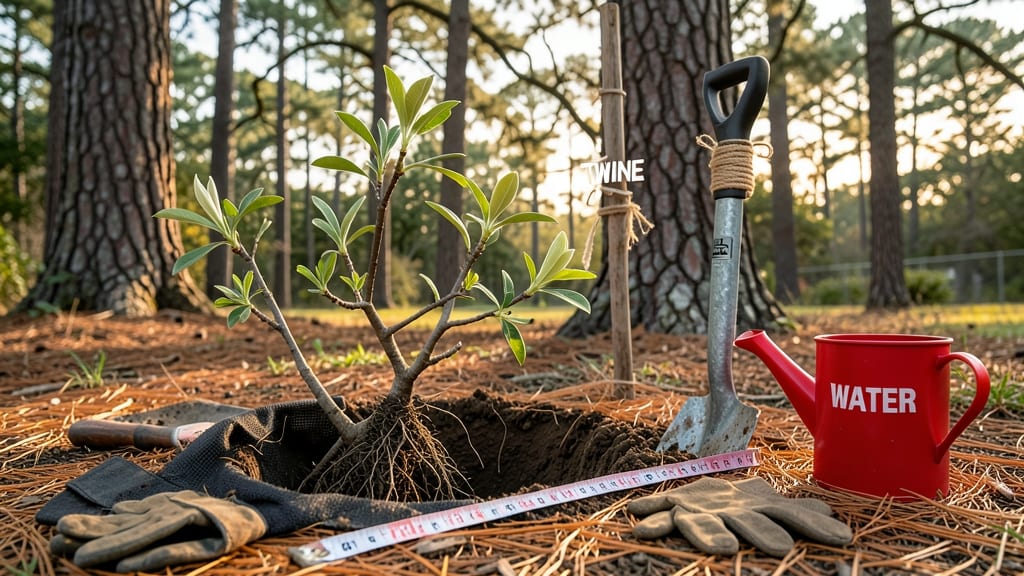
The best place to plant a magnolia tree isn't where you think—it's where the light dances, not burns. 🌿 These stunners thrive in partial shade, where morning sun warms their leaves and afternoon shade keeps them from wilting.
My first magnolia in full sun lasted two summers before its leaves turned crispy; the second one, tucked under a maple's canopy, now blooms like a queen every spring.
You'll need 6-8 hours of filtered light daily, well-draining soil rich in organic matter, and space to grow—magnolias spread 20-30 feet wide. Urban gardeners can plant near patios or fences, while rural spots benefit from a 10-foot buffer from other trees.
The key is avoiding soggy soil; magnolias hate "wet feet" more than they love sun. What you get is year-round interest: fragrant spring blooms, glossy summer foliage, and fiery fall colors. Pair it with azaleas for early-season color or hostas for shade-loving companions.
The tree will reward you with decades of drama, if you pick the right spot. Here's the secret: observe your yard's light patterns for a month before planting. The perfect location isn't always obvious—it's where the light feels just right, not too harsh.
Trust your instincts; magnolias will thank you with blooms that make neighbors green with envy.
📚 In This Guide
- What you need
- Instructions
- Tips and common mistakes
- Wrapping up and next steps
What you need
- ● Magnolia tree: Choose a healthy, container-grown or bare-root sapling (size depends on variety—smaller for Magnolia stellata, larger for Magnolia grandiflora).
- ● Shovel: A round-point or digging shovel (16–18 inches wide) for breaking ground.
- ○ Garden fork: For loosening compacted soil (optional but helpful for heavy clay).
- ● Compost or organic matter: 3–5 gallons of well-aged compost or peat moss to amend soil.
- ● Mulch: 2–3 inches of pine straw, wood chips, or shredded bark (avoid fresh wood chips).
- ● Watering can or hose: With a gentle spray nozzle for post-planting hydration.
- ● Gloves: Heavy-duty work gloves to protect your hands.
- ● Soil test kit: To check pH (magnolias prefer acidic to slightly acidic soil, 4.5–6.5).
- ● Slow-release fertilizer: 10-10-10 or acid-loving plant fertilizer (apply sparingly).
- ● Tree stakes & ties: If planting in windy areas (use biodegradable ties).
- ● Drip irrigation system: For consistent moisture during establishment.
- ● Pruning shears: To trim dead branches post-planting.
How to choose the perfect spot for your magnolia tree
Let’s find that ideal sun-dappled location where your magnolia will thrive for decades.
🌿 Step 1: Identify Morning Sun and Afternoon Shade
Magnolias crave morning sunlight—that golden glow between 6 a.m. and 10 a.m. helps them wake up strong. Look for a spot where the sun spills across the ground for at least 3-4 hours daily, then fades into filtered light by midday. This prevents the leaves from scorching in summer heat.
Here’s the trick: stand in the area at 10 a.m. on a clear day. If you can still see dappled sunlight through the canopy (like from nearby trees), that’s your sweet spot. Avoid full sun afternoons—those 12 p.m. to 3 p.m. rays can turn leaves crispy. Think of it as a sunbathing schedule: short sessions, no midday tanning.
☀️ Step 2: Test Soil Moisture and Drainage
Dig a hole 12 inches deep and check the soil. Magnolias hate soggy roots—if water pools after 10 minutes, you’ve got poor drainage. Amend heavy clay with 3-4 inches of organic matter (like compost or leaf mold) to loosen it up. Sandy soil? Mix in peat moss to retain moisture.
Stick your finger in the hole—top 2 inches should dry out between waterings, but deeper soil should stay moist. If your yard drains like a desert, mulch heavily (see Step 4) to lock in moisture. Pro tip: plant in a slightly raised bed if your yard floods easily—just 2-3 inches elevation makes a world of difference.
🪴 Step 3: Consider Mature Size and Space
Magnolias grow 20-40 feet tall (depending on the variety), with sprawling canopies that cast shade like a natural umbrella. Measure the space where you’re planting—keep at least 15-20 feet of clearance from sidewalks, driveways, or other structures. Their roots spread wide, too, so avoid planting near foundations or septic lines.
Visualize the tree’s future: trace its outline with a hose or rope to see how it’ll interact with your landscape. If you’re planting near a patio, aim for the north or east side so the shade cools the area in summer without blocking afternoon sun. And remember—no power lines! Magnolias grow fast, and you don’t want a 30-foot branch on your roof.
✂️ Step 4: Add Mulch and Protect the Roots
Spread 3-4 inches of mulch (wood chips or pine straw) in a 3-foot-wide circle around the base. This keeps roots cool in summer and insulated in winter. But never pile mulch against the trunk—leave a 2-inch gap to prevent rot. Think of it like a cozy blanket, not a smothering quilt.
Water deeply right after planting to settle the mulch, then once a week for the first month (unless rain does it for you). After that, magnolias are drought-tolerant once established, but young trees need consistent moisture. Check soil 2 inches down—if it’s dry, water until it’s damp, not soggy. You’ll know you’re doing it right when the mulch looks evenly moist but not soaked.
🌱 Step 5: Monitor and Adjust for Seasonal Changes
Watch how your magnolia reacts over the first year. If leaves yellow in summer, it’s getting too much sun—trim nearby branches to filter light. If they curl in winter, it’s too exposed; add a burlap windbreak on the north side. Magnolias are drama queens, but they’ll tell you exactly what they need.
Here’s the golden rule: prune only to shape, never to control size. Magnolias bloom on old wood, so cutting back hard will rob you of those fragrant spring flowers. Instead, remove dead or crossing branches in late winter, and you’re golden. With the right spot, your magnolia will reward you with centuries of shade, scent, and Southern charm—no fuss, just beauty.
Tips & tricks for perfect magnolia tree placement
Finding the ideal spot for your magnolia isn't just about sunlight—it's about creating a lifetime of happy growth. Here's what I've learned after helping countless gardeners transform their yards with these stunning trees.
Sunlight Timing is Everything: That 3-4 hours of morning sun in Step 1 is non-negotiable, but here's the secret: the best spots actually get 5-6 hours total of light, with the afternoon portion coming through nearby trees or structures. Think of it like a sunbathing schedule—short, intense sessions in the morning with gentle filtering in the afternoon. I always check at 10 a.m. and 2 p.m. to see how the light moves across the area.
Soil Science Matters: The 12-inch deep test in Step 2 reveals more than just drainage—it tells you about your soil's overall health. If you find clay, mix in that 3-4 inches of organic matter right when you plant, not later. For sandy soil, I recommend adding one part peat moss to three parts soil to create the perfect moisture balance. This small adjustment can mean the difference between a struggling tree and one that thrives for decades.
Future-Proof Your Planting: When considering that 15-20 feet of clearance in Step 3, I suggest adding an extra 5 feet for larger varieties like Southern Magnolias. Trace the tree's outline with a garden hose to visualize its mature size—this helps prevent future headaches with overgrown branches. For urban gardens, consider dwarf varieties that stay under 15 feet tall while still providing that signature magnolia experience.
Seasonal Prep is Key: The mulching instructions in Step 4 are perfect, but here's my extra tip: use pine straw mulch in hot climates—it's lighter and allows better airflow to the roots. In colder regions, I recommend adding 2-3 inches of extra mulch in late fall to protect against winter temperature swings. This simple seasonal adjustment can save your tree from winter burn or summer stress.
Pro Tips for Best Place To Plant Magnolia Tree
- Finding the ideal spot for your magnolia isn't just about sunlight—it's about creating a lifetime of happy growth.
- Think of it like a sunbathing schedule—short, intense sessions in the morning with gentle filtering in the afternoon.
- Soil Science Matters: The 12-inch deep test in Step 2 reveals more than just drainage—it tells you about your soil's overall health.
Frequently asked questions
Got questions about planting your magnolia tree?
Here are answers to the most common ones—so you can enjoy that dreamy, fragrant foliage without the guesswork!
What’s the best sunlight exposure for a magnolia tree?
Magnolias thrive in morning sun and afternoon shade—think dappled sunlight under tall trees or near a north-facing wall. Too much harsh afternoon sun can scorch leaves, while too little light may reduce blooms. Aim for 4–6 hours of filtered sunlight daily for optimal growth.
When is the best time to plant a magnolia tree?
Plant in early spring or fall (4–6 weeks before the first frost) when soil is moist but not soggy. Avoid extreme heat or cold—root systems need time to establish before stress. Pro tip: Bare-root trees should be planted ASAP; container-grown ones can wait a few weeks if needed!
What are common mistakes to avoid when planting?
- Planting too deep: The root flare (where roots meet the trunk) should sit just above ground level. Burying it too deep can suffocate the tree.
- Ignoring soil drainage: Magnolias hate soggy feet! Amend heavy clay with compost or plant on a slight mound.
- Skipping mulch: Apply 2–3 inches of organic mulch (like pine straw) to retain moisture and regulate soil temp.
Can I plant a magnolia tree near my house or driveway?
Yes, but plan ahead! Mature magnolias can grow 20–40 feet tall/wide, depending on the variety. Keep them 15–20 feet from structures to avoid root intrusion or shading issues. Dwarf varieties (like ‘Little Gem’) are great for smaller spaces!
How do I protect my magnolia from pests or diseases?
Prevent issues with well-draining soil and proper spacing to improve airflow. Watch for:
- Scale insects: Spray with horticultural oil if you spot sticky residue on leaves.
- Fungal diseases (like powdery mildew): Avoid overhead watering and prune for airflow.
Wrapping up and next steps
Choosing the perfect spot for your magnolia tree is all about balancing sunlight, shelter, and soil—and now you’ve got the expert tips to make it thrive! 🌿 Whether you’re drawn to the bold blooms of Magnolia grandiflora or the delicate charm of Magnolia stellata, the right location will reward you with seasonal beauty and low-maintenance elegance.
Don’t wait—grab your gloves, pick your variety, and give your yard a showstopper that’ll turn heads (and maybe even some envy) for decades.
Next step: Mark your spot, prep the soil, and plant with confidence—your magnolia’s future starts today! 🌱