
Planting
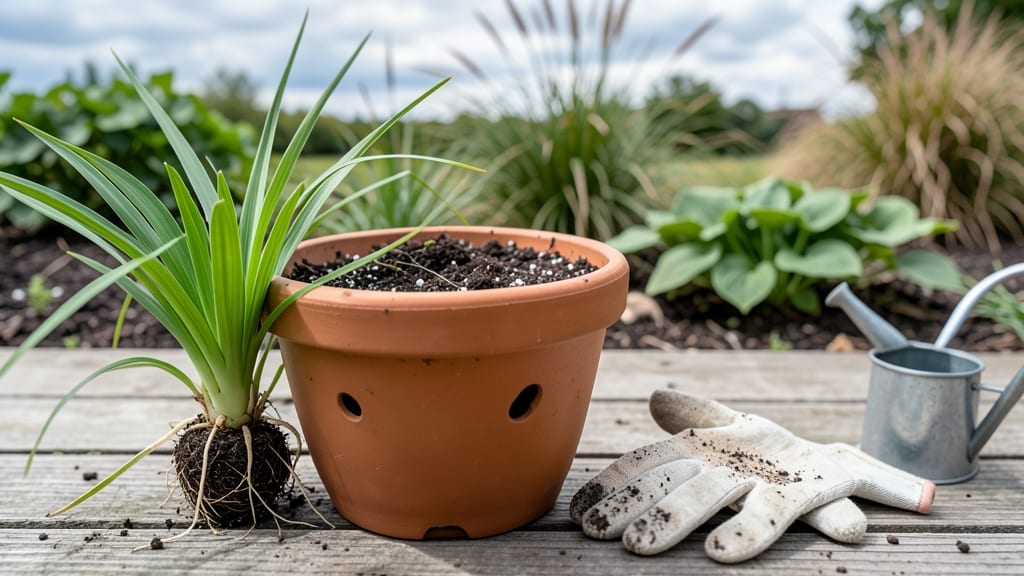
Planting lemongrass in the right spot means fragrant, fast-growing stalks that thrive year after year. 🌿 The best place for lemongrass is where it gets full sun (6+ hours daily) and warmth—think tropical climates or a sunny patio in cooler zones.
Without enough light, the stalks turn weak and leggy, and the flavor fades fast. You’ve got two options: plant directly in well-draining soil with 60–75°F temps year-round, or grow in containers (5+ gallons) to move indoors when frost threatens.
I’ve seen lemongrass bolt in heatwaves, so afternoon shade helps in scorching zones like Arizona or Florida. The key is moist, fertile soil—lemongrass hates soggy roots but drinks water like a thirsty gardener.
By late summer, you’ll be harvesting stalks for tea or stir-fries, their citrusy scent filling the air. The plants grow 3–5 feet tall, so give them 18–24 inches of space (or crowd them in pots).
Pair them with basil, mint, or chili peppers—they all love the same warm, sunny spots. If you’re in a cooler climate, treat lemongrass like an annual and start new plants each spring. In tropical zones, it’s a perennial that multiplies like crazy.
Either way, the payoff is worth the effort—fresh lemongrass straight from your garden beats store-bought every time.
📚 In This Guide
- What you need
- Instructions
- Tips and common mistakes
- Wrapping up and next steps
What you need
- ● Lemongrass plants or seeds: 3–5 healthy stalks (for propagation) or 10–20 seeds (if starting from scratch). Choose organic or disease-free options for best results.
- ● Well-draining soil: 1–2 bags (10–15 lbs each) of potting mix (for containers) or garden soil amended with compost (for in-ground planting). Aim for a pH of 5.5–7.0.
- ○ Containers (optional but ideal for small spaces): 3–5 5–7 gallon pots with drainage holes (one per plant). Terracotta or fabric pots work best.
- ● Watering can or hose with a gentle spray nozzle: Lemongrass loves moisture but hates soggy roots!
- ● Fertilizer: A balanced organic fertilizer (10-10-10 or similar) or compost tea to boost growth.
- ● Gloves (recommended): Protect your hands from soil and sharp lemongrass edges.
- ● Trowel or small shovel: For digging holes (if planting in the ground).
- ● Mulch (e.g., straw or pine needles): Helps retain moisture and regulate soil temperature.
- ● Pruning shears: For trimming mature stalks (harvesting time!).
- ○ Sunlight meter (optional): Ensures your spot gets the 6+ hours of direct sunlight lemongrass craves.
How to choose the ideal location for planting lemongrass
Lemongrass thrives where the sun kisses the earth daily—here’s how to find that perfect tropical spot for your plants.
🌿 Step 1: Select a Warm, Sun-Drenched Spot
Lemongrass demands full sun exposure—at least 6-8 hours of direct sunlight daily—to develop its signature citrusy aroma and robust growth. In warmer climates (USDA zones 9-11), it can handle evening heat, but in cooler regions, prioritize south-facing locations where the sun arcs high in the sky. I always check for at least 6 hours of unobstructed sunlight before planting, using a sun calculator app to map your yard’s light patterns throughout the day.
If your yard has partial shade, choose the brightest, most open area—even dappled shade can stunt growth. Watch for afternoon shade from trees or buildings, as lemongrass struggles to recover once shaded. Mulch the base with 2-3 inches of organic mulch (like straw or wood chips) to retain moisture and regulate soil temperature—this mimics its native tropical conditions.
☀️ Step 2: Ensure Well-Draining Soil with High Humidity
Lemongrass roots rot quickly in soggy soil, so test your spot by digging a 6-inch hole. If water pools or drains slower than 30 seconds, amend the soil with sand or perlite to improve drainage. The ideal soil mix is loamy and slightly acidic (pH 5.5-6.5)—you can test pH with a simple kit from your local garden center. I swear by adding compost or aged manure to enrich the soil before planting, as lemongrass is a heavy feeder.
Humidity is non-negotiable—lemongrass originates from tropical regions where air stays moist. If your climate is dry, plant near water features, ponds, or in containers where you can mist the leaves daily. In arid areas, group lemongrass together to create a microclimate that retains moisture. Avoid windy spots; the stiff leaves can tear easily, and the plant will struggle to establish itself.
🪴 Step 3: Plant in Containers for Flexibility (If Ground Isn’t Ideal)
If your yard lacks the perfect sun-soaked spot, containers are your best bet. Use pots at least 12 inches deep and wide—lemongrass has a long, fibrous root system that needs room to spread. Fill with a well-draining potting mix (avoid garden soil, which compacts). Place containers where they’ll get full sun and can be moved indoors if frost threatens. I’ve grown lemongrass successfully on patios and balconies this way, even in USDA zone 8, by bringing them inside before temperatures dip below 40°F.
For container gardening, group 2-3 plants together to boost humidity around the roots. Water containers daily in hot weather, checking that the top inch of soil feels moist but not waterlogged. Containers dry out faster than ground soil, so monitor closely—underwatering causes yellowing leaves, while overwatering leads to root rot. A saucer beneath the pot helps catch excess water and prevents soggy roots.
⏰ Step 4: Time Your Planting for Optimal Growth
Plant lemongrass in spring or early summer when soil temperatures are consistently above 60°F. This gives the roots 3-4 months of warm weather to establish before cooler temperatures arrive. In tropical climates, you can plant year-round, but avoid planting during extreme heat waves—new plants wilt quickly in 90°F+ temperatures. I always plant mine in late spring to balance warmth and moisture, ensuring the first 6 weeks are gentle on the young stems.
If you’re growing from cuttings or young plants, wait until the soil is warm (test with a soil thermometer). Cold soil slows root growth, making plants vulnerable to disease. Mulch heavily around the base to insulate roots and keep soil temperatures stable. In cooler climates, overwinter lemongrass in containers and bring them inside near a sunny window—this preserves the plant for another growing season.
💧 Step 5: Monitor and Adjust for Peak Performance
Once planted, water deeply 2-3 times per week, aiming for 1-2 inches of water per week. Lemongrass signals thirst by drooping leaves—this is your cue to water immediately. In containers, you may need to water daily during heatwaves. I always water at the base of the plant in the morning to reduce evaporation and fungal risks. Avoid wetting the leaves, as this can cause brown spots or mildew.
Fertilize monthly with a balanced, water-soluble fertilizer (like 10-10-10) during the growing season. Lemongrass is a heavy feeder, so don’t skimp—yellowing leaves often mean it’s hungry. In late summer, reduce watering slightly to harden off the plant for harvest. The best stalks for culinary use grow when the plant is stressed slightly by cooler temps and less water, intensifying its citrus flavor.
Tips & tricks for perfect lemongrass growth
Took me years to figure out these tropical secrets—here's how to give your lemongrass the exact conditions it craves.
Sunlight Strategy: The 6-8 hours of direct sunlight mentioned in Step 1 is non-negotiable for that signature citrus punch. I've found that using a sun calculator app reveals hidden shade patterns in my yard—what seemed like full sun had afternoon shade from a neighbor's palm tree. For maximum growth, position your plants where they catch morning sun and afternoon light without obstruction. In cooler climates, south-facing locations are your best bet, as they receive the most intense sunlight throughout the day.
Soil Test Hack: Before amending soil as suggested in Step 2, I perform a simple drainage test that goes beyond the 30-second guideline. Dig your 6-inch hole, fill it with water, then time how long it takes to completely drain. If it takes longer than 45 seconds, you'll need to add more sand or perlite. For pH testing, I use a cheap digital meter that gives instant readings—lemongrass really thrives when that needle sits between 5.5 and 6.5, which is surprisingly easy to achieve with just a handful of compost.
Container Gardening Pro Tip: When using containers as suggested in Step 3, I've discovered that terracotta pots actually help regulate soil moisture better than plastic. The porous material wicks away excess water while allowing air circulation. For containers, I always include a layer of pebbles at the bottom before adding potting mix—this creates crucial drainage space while preventing root rot. Grouping 2-3 plants together creates a microclimate that maintains humidity, which is especially helpful in dry climates where individual plants might struggle.
Seasonal Timing: The spring planting window in Step 4 works perfectly in most regions, but I've learned that soil temperature is more critical than calendar dates. Use a soil thermometer to confirm temperatures are consistently above 60°F before planting. In my zone 8 garden, I've successfully planted as late as early June when soil temps hit 62°F—just watch for those afternoon heat waves over 90°F, which can shock young plants. For container growers, bringing plants indoors before 40°F temperatures arrive in fall has saved my harvests multiple times.
Pro Tips for Best Place To Plant Lemongrass
- Took me years to figure out these tropical secrets—here's how to give your lemongrass the exact conditions it craves.
- Sunlight Strategy: The 6-8 hours of direct sunlight mentioned in Step 1 is non-negotiable for that signature citrus p...
- Soil Test Hack: Before amending soil as suggested in Step 2, I perform a simple drainage test that goes beyond the 30...
Frequently asked questions
about planting lemongrass—because even tropical sunshine has its mysteries!Can lemongrass grow in containers, or does it need to be planted in the ground?
Lemongrass thrives in both! Containers are perfect for small spaces or cooler climates—just use a pot at least 12 inches deep with drainage holes. For ground planting, ensure well-draining soil and full sun. Pro tip: Containers let you move plants indoors if frost threatens!
How long does it take for lemongrass to grow from seed or a cutting?
From seed, expect 8–12 weeks for visible growth, while cuttings (the faster method!) sprout roots in 2–4 weeks. Harvestable stalks appear in 3–6 months, depending on warmth and care. Patience pays off: Mature plants (12+ inches) yield the best flavor!
What if my lemongrass turns yellow or wilted? Troubleshooting tips?
Yellow leaves often mean overwatering (lemongrass hates soggy roots) or nutrient deficiency. Wilting? Check for underwatering or pests (like spider mites). Adjust care: water when soil is dry 1–2 inches down, and fertilize lightly with citrus-friendly mix every 2 months.
Can I grow lemongrass in cold climates, or is it strictly tropical?
Lemongrass is tropical but can survive brief cold snaps (down to 28°F/-2°C) if potted and moved indoors. For year-round growth, grow it as an annual in cooler zones or use a greenhouse. Alternative: Try Mexican lemongrass (citronella), which tolerates slightly cooler temps!
Where’s the best place to buy lemongrass plants or seeds?
Local nurseries or garden centers often carry lemongrass cuttings (ask for "citronella" or "tropical grass"). For seeds, try online retailers like Baker Creek Heirloom Seeds or Amazon. Pro tip: Check Asian markets—they sometimes sell live stalks for cooking!
Wrapping up and next steps
Choosing the perfect spot for your lemongrass is the first step to a thriving, fragrant garden! 🌿 Whether you’re in a warm climate or a container-friendly space, prioritize sunlight, drainage, and warmth—your lemongrass will reward you with lush growth and zesty flavors.
Now that you’re armed with the best practices, it’s time to roll up your sleeves and get planting.
Ready to harvest fresh lemongrass in no time? Start by selecting your ideal location, prepping the soil (or container), and planting those clumps with confidence. Happy growing! 🌱