
Plants
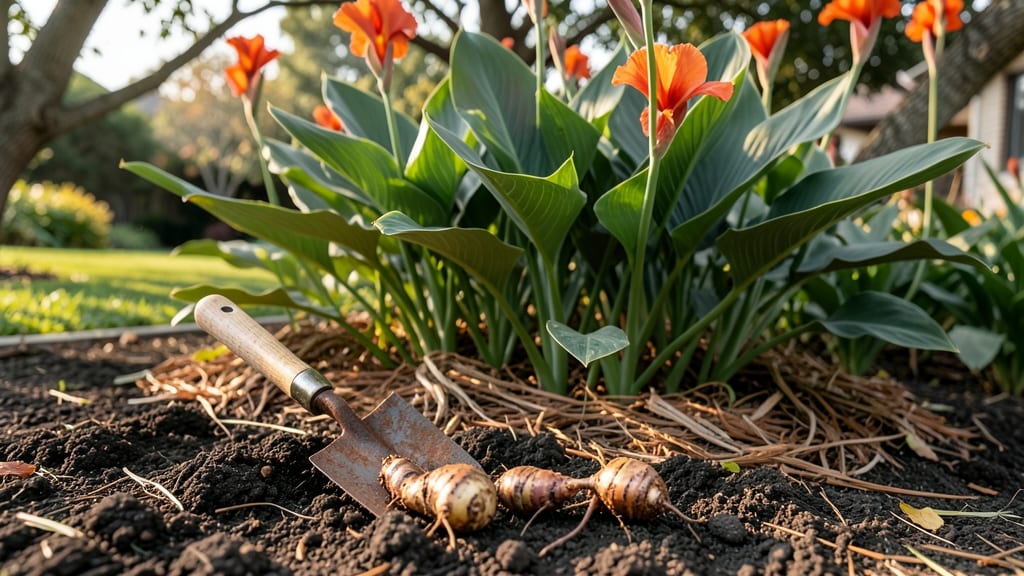
The best place to plant canna lilies is in full sun to partial shade, with well-draining soil rich in organic matter. They thrive in USDA zones 8-11 but can be grown in cooler climates as annuals, avoiding heavy frost and standing water for optimal growth and vibrant blooms.
Canna lilies love warmth and sunshine, so 6+ hours of direct sunlight daily is ideal for their tropical nature. 🌿 However, in hotter climates, they can handle partial shade to prevent leaf scorch.
The soil should be loose and fertile—think garden soil mixed with compost—to encourage strong root systems and those dramatic, colorful blooms. In cooler areas, treat them as annuals or dig up tubers before frost to protect them indoors.
What makes these plants so rewarding is how adaptable they are once you nail the basics. Well-draining soil prevents root rot, while the right light balance ensures those signature blooms stay vibrant.
I've seen cannas thrive in containers with just the right mix of sunlight and moisture, making them perfect for patios or balconies too.
💡 In This Article
- Sunlight and Soil Requirements for Canna Lilies
- Climate Zones and Seasonal Planting Tips for Canna Lilies
Sunlight and soil requirements for canna lilies
Canna lilies originate from tropical and subtropical regions, which means their growth is directly tied to sunlight exposure. These plants require 6-8 hours of direct sunlight daily to produce their signature vibrant blooms and maintain strong stems.
The chlorophyll in their leaves absorbs sunlight to fuel photosynthesis, but too much intense sun—especially in hot climates—can cause leaf burn, visible as brown or crispy edges.
In regions with high summer temperatures above 90°F, providing partial shade (30-50%) in the afternoon helps protect the foliage while still allowing enough light for flowering.
The soil composition plays an equally critical role in their health. Canna lilies prefer well-draining soil with a pH between 6.0 and 7.0, which mimics their natural habitat in moist but not waterlogged environments.
Amending garden soil with 3-4 inches of compost or well-rotted manure improves fertility and drainage, while adding perlite or coarse sand helps prevent root suffocation.
The tubers, which store nutrients, thrive when planted in loose soil that allows roots to spread easily—something heavy clay soils struggle to provide without amendments. 🌱
What most gardeners overlook is how soil moisture interacts with sunlight. While cannas love moisture, their roots need oxygen too—this is why soggy soil leads to rot.
In containers, ensure pots have drainage holes and use a mix of 50% potting soil, 30% compost, and 20% perlite to balance moisture retention and aeration. In-ground plantings benefit from raised beds or mounds to improve drainage, especially in rainy climates.
The key is replicating their natural environment where water drains quickly but the soil stays consistently moist.
For shade-tolerant varieties like Canna 'Wyoming' or 'Durban', you can extend their growing range to areas with 4-6 hours of sunlight, though bloom production may be less prolific. These varieties have adapted to handle more filtered light, making them ideal for woodland gardens or patios with dappled shade.
However, even these types will reward you with more vibrant flowers when given their preferred full sun exposure. The trade-off is always between leaf health and floral display—prioritize sunlight for the boldest blooms.
Another pro tip: Mulching with 2-3 inches of organic mulch (like straw or shredded leaves) helps retain soil moisture while regulating temperature. This mimics the humid, stable conditions of their native habitats and reduces the need for frequent watering.
Over time, the mulch breaks down, enriching the soil further—a win-win for both the plant and your gardening efforts. 🌿
When planting, avoid compacting the soil around the tubers, as this can restrict root growth. Instead, gently loosen the soil with your hands or a fork to create a welcoming environment for the emerging roots.
The tubers themselves should be planted just below the soil surface—typically 2-3 inches deep—to encourage upward growth while keeping them stable against wind or heavy rain.