
Planting
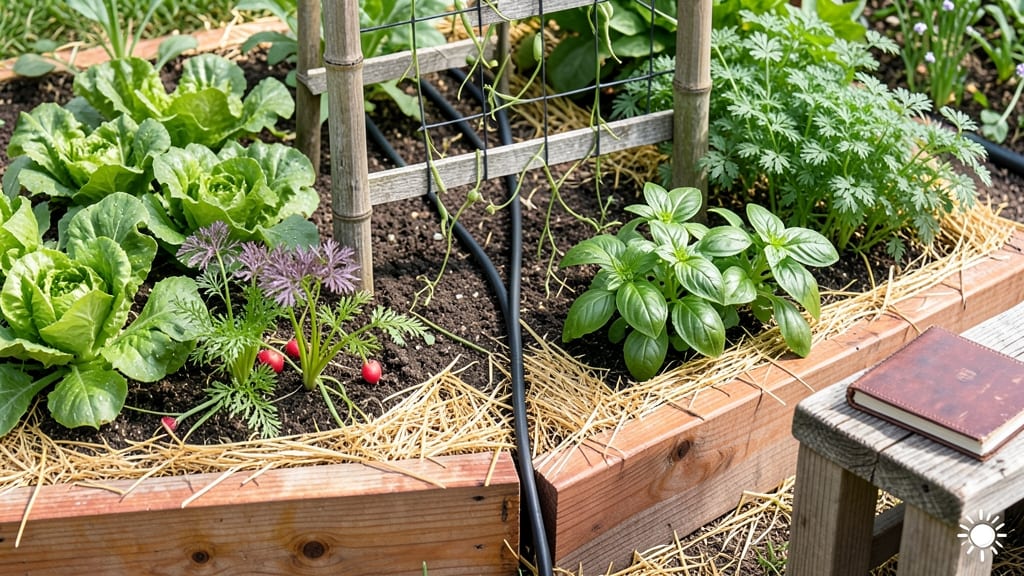
The best place to plant a garden combines 6 to 8 hours of direct sunlight daily, well-draining soil rich in organic matter, and adequate spacing (18–36 inches between plants) to prevent overcrowding and disease. Avoid low-lying areas prone to waterlogging.
Finding the perfect garden spot depends on more than just open space—it's about matching your plants' needs to your environment. 🌱 Most vegetables and flowers thrive with full sun exposure, but some leafy greens tolerate partial shade.
I always test soil drainage by digging a hole and filling it with water; if it drains within an hour, it's ready for planting. Urban gardeners might need to use raised beds or containers to improve soil quality and control water flow.
Don't overlook microclimates—your yard might have sunny spots near the house that stay warmer longer, while areas near trees stay cooler. Consider wind patterns too; windbreaks like fences or hedges protect delicate plants.
The right location can mean the difference between a struggling garden and one that produces abundant harvests year after year.
💡 In This Article
- How Sunlight, Soil, and Climate Affect Garden Success
- Choosing the Ideal Garden Spot: Practical Location Checklist
How sunlight, soil, and climate affect garden success
Sunlight is the lifeblood of photosynthesis, where plants convert light energy into chemical energy to fuel growth. Most vegetables and flowering plants require 6 to 8 hours of direct sunlight daily to produce enough energy for strong stems, abundant foliage, and fruit development.
For example, tomatoes need full sun to ripen properly, while leafy greens like spinach can tolerate 4 to 6 hours in partial shade. The angle of sunlight matters too—south-facing gardens in the Northern Hemisphere receive the most consistent light exposure throughout the day.
Soil composition determines whether roots can access water, oxygen, and nutrients efficiently. Ideal garden soil is a mix of 40-60% minerals, 20-30% organic matter, and 20-30% air and water. Sandy soils drain too quickly, while clay soils hold water excessively.
A good test is the "squeeze test"—if damp soil crumbles when squeezed but holds its shape when gently pressed, it has the perfect balance. Organic matter from compost improves soil structure by creating pore spaces for roots and beneficial microbes.
Microclimates create invisible zones in your yard where temperature, humidity, and wind patterns vary dramatically. A spot near a brick wall might stay 10-15°F warmer than open areas, extending growing seasons for heat-loving plants like peppers.
Conversely, areas near large trees can be 5-10°F cooler due to shade and reduced wind. Humidity levels also affect plant health—dry air increases transpiration rates, while high humidity encourages fungal diseases. Understanding these microclimates helps you place moisture-loving herbs like cilantro away from dry, windy spots.
Climate zones further refine planting decisions. In USDA Zone 5, cold-hardy kale survives winters, while in Zone 9, citrus trees thrive year-round. The first frost date in your area determines when to plant cool-season crops like broccoli versus warm-season crops like beans.
Even within a single yard, elevation changes can create microclimates—higher spots dry out faster and get colder at night. Using a simple thermometer to monitor temperature variations helps identify the best planting zones.
Wind patterns create another critical factor. Strong winds desiccate plants by increasing evaporation rates, while gentle breezes help pollinate crops like squash. Installing windbreaks made of bamboo or evergreen shrubs can protect delicate plants while creating a sheltered microclimate.
The right combination of sunlight, soil, and climate creates an ecosystem where plants can thrive without constant intervention. 🌿
Don't forget about seasonal changes—what works in summer might fail in winter. Evergreen trees provide year-round shade, while deciduous trees offer summer shade but allow winter sun. This seasonal variation affects soil temperature too, with cooler soils in spring delaying planting times for heat-sensitive crops.
By observing these patterns over time, you'll develop an intuitive sense of which spots in your yard are truly optimal for different types of plants.