
Planting
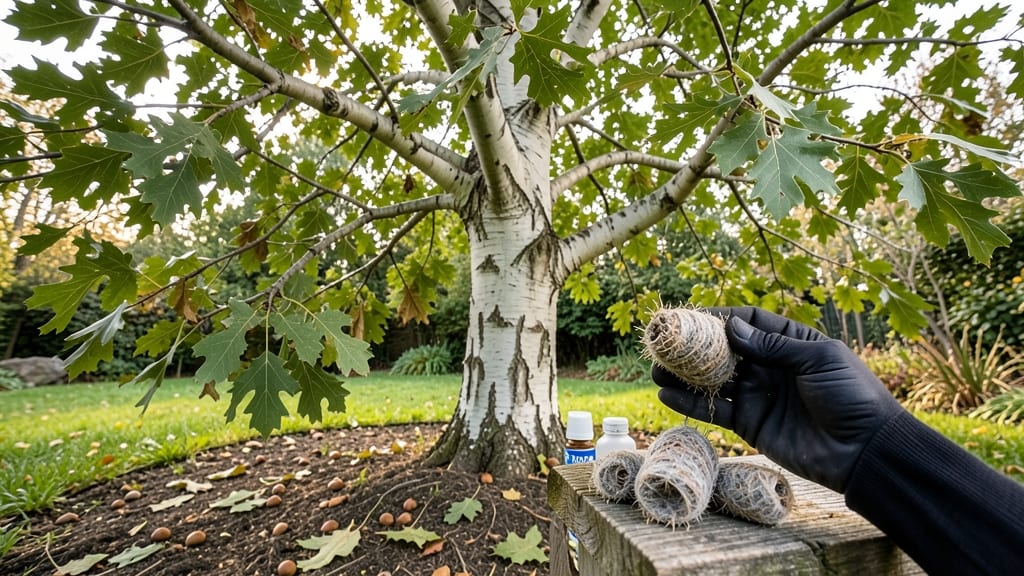
Bagworms in Oklahoma turn your trees into chewed-up skeletons before you even notice. 🌳 I’ve watched them strip cedars, oaks, and even fruit trees bare in just a few weeks—until I learned how to stop them naturally without harsh chemicals that harm pollinators.
The key is timing and targeting: these caterpillars build their little silk bags in spring, and by midsummer, they’re already munching. The moment you spot those brown, twig-like bags dangling from branches, grab a pair of pruners and drop them into soapy water—no sprays needed.
What you’ll end up with is trees that stay lush and green all season, with fewer pests year after year. The best part? Your yard stays safe for birds, bees, and kids while keeping those bagworms under control.
Works for cedars, oaks, hickories, and even fruit trees—just check your trees every two weeks starting in June. Here’s how to make it happen without a single chemical spray.
Root Causes of Oklahoma’s Bagworm Outbreaks
Bagworms in Oklahoma thrive due to a mix of environmental, ecological, and human factors that create the perfect storm for these destructive caterpillars. Understanding these causes is key to preventing infestations naturally. Here’s why they become such a nuisance in Oklahoma’s landscapes.
Oklahoma’s warm, humid summers and mild winters provide an ideal breeding ground for bagworms. Here’s how climate plays a role:
- Extended Growing Seasons: Bagworms have two generations per year in Oklahoma, thanks to the state’s long, hot summers. Eggs hatch earlier in the year, and larvae grow rapidly, allowing them to spin protective bags before winter.
- Moisture Retention: Oklahoma’s frequent rain and high humidity keep host plants lush, giving bagworms an abundant food source. Drought-stressed trees are less appealing, but well-watered landscapes become a buffet.
- Mild Winters: While Oklahoma winters can be cold, they’re rarely severe enough to kill bagworm eggs or pupae. Eggs often survive on tree branches, waiting for spring to hatch.
Pro Tip: 🌡️ Monitor local weather patterns—bagworm activity peaks after heavy rains in late spring and early summer.
Bagworms are generalists, but Oklahoma’s native and ornamental trees and shrubs make them especially vulnerable. Key factors include:
- Preferred Food Sources: Bagworms target over 150 plant species, including popular Oklahoma favorites like cedar, pine, elm, hackberry, and maple. If these plants are abundant in your yard, you’re a prime target.
- Young, Tender Growth: New shoots and leaves are their favorite snack. Pruning or fertilizing trees can stimulate fresh growth, inadvertently attracting more larvae.
- Urban and Suburban Landscaping: Oklahoma’s love for manicured lawns and ornamental plantings creates dense, interconnected food sources. Bagworms spread quickly between trees in these environments.
Pro Tip: ✨ Plant bagworm-resistant species like redbud, serviceberry, or honey locust as barriers or alternatives to high-risk plants.
Bagworms face few natural enemies in Oklahoma, especially when infestations explode. Here’s why predators can’t keep up:
- Limited Parasitoids: While wasps and flies (like Goniozus legneri) parasitize bagworm eggs, Oklahoma’s climate doesn’t always support high enough populations to control outbreaks.
- Bird and Mammal Avoidance: The bagworm’s silk cocoon protects it from most predators. Birds and animals typically avoid the prickly, unappetizing larvae.
- Human Interference: Pesticide use can disrupt even the few predators that do exist, creating a vacuum that allows bagworms to multiply unchecked.
Pro Tip: 💡 Encourage beneficial insects by planting native wildflowers (like milkweed or goldenrod) to support parasitoid populations naturally.
How we manage our landscapes directly impacts bagworm populations. Common human-related causes include:
- Over-Fertilization: Excess nitrogen promotes rapid plant growth, which bagworms devour. Slow-release, organic fertilizers can reduce this effect.
- Poor Sanitation: Leaving fallen leaves, twigs, or infested branches on the ground provides shelter for overwintering eggs and pupae.
- Lack of Early Detection: Many homeowners only notice bagworms when trees are already defoliated. Regular inspections (especially in spring and fall) can catch infestations early.
- Chemical Overuse: Broad-spectrum pesticides kill beneficial insects along with bagworms, weakening the ecosystem’s natural defenses over time.
Pro Tip: 🔪 Prune and dispose of infested branches before eggs hatch (late winter/early spring) to break the life cycle.
By addressing these root causes—through smarter landscaping, natural predator support, and proactive monitoring—you can disrupt bagworm life cycles before they spiral out of control in Oklahoma’s climate.
Natural Ways to Control Bagworms
Bagworms may seem like a daunting challenge, but with the right strategies, you can protect your trees and shrubs without relying on harsh chemicals. Below are practical, eco-friendly solutions tailored to the root causes of infestations—from early detection to long-term prevention.
Cause: Small, hidden caterpillars go unnoticed until damage is visible. Fix:
- 🔍 Inspect trees regularly (especially in late summer/fall) for pouch-like bags (1–2 inches long) on branches.
- 🧤 Handpick bags and drop them into soapy water (1 gallon water + 1 tbsp dish soap) to drown larvae.
- 🌳 Focus on young trees—they’re most vulnerable. Check cedars, pines, and fruit trees first.
Pro Tip: 💡 Use a flashlight at dusk—bagworms are most active then and easier to spot.
Cause: Chemical pesticides disrupt ecosystems; natural predators can keep populations in check. Fix:
- 🐞 Parasitic wasps (like Glyptapanteles liparidis) lay eggs inside bagworm larvae, killing them. No action needed—just let them thrive!
- 🐦 Encourage birds (e.g., chickadees, nuthatches) by installing birdhouses or feeders near infested areas.
- 🐸 Amphibians (toads/frogs) eat bagworm eggs. Keep moisture-retentive mulch around tree bases to attract them.
Pro Tip: ✨ Avoid pruning in spring (when wasps are active)—you might accidentally harm beneficial insects.
Cause: Large infestations require targeted treatment without chemical residue. Fix:
- 🌿 Bacillus thuringiensis (Bt) – A microbe-based spray that targets caterpillars’ digestive systems. Safe for pets/kids once dry.
- How to apply: Spray evenly on foliage (especially undersides of leaves) every 7–10 days during larval stages (June–August).
- Where to buy: Garden centers, online (e.g., Safer Brand Bt).
- 🥄 Horticultural oil or neem oil – Smothers eggs and young larvae.
- Mix: 1 tbsp oil + 1 tsp soapy water per gallon of water. Spray early morning/evening to avoid burning plants.
Pro Tip: 🌡️ Apply oils when temps are below 90°F—heat can harm plants.
Cause: Overgrown trees provide hiding spots; fallen bags overwinter and hatch anew. Fix:
- ✂️ Prune infested branches (12+ inches beyond visible damage) and bag them (literally—seal in a trash bag and discard).
- 🪴 Thin dense foliage to improve air circulation and reduce humidity (bagworms love damp areas).
- 🍂 Rake and remove leaf litter in fall/winter—this eliminates overwintering eggs.
Pro Tip: 🎯 Time pruning for late winter (before eggs hatch) to minimize stress on trees.
Cause: Repeated infestations indicate favorable conditions (host plants + shelter). Fix:
- 🌱 Choose resistant plants – Bagworms avoid oaks, maples, and birches. If you love cedars/pines, monitor closely.
- 🌿 Plant companion plants – Marigolds, garlic, or lavender may deter pests with their scents.
- 💦 Water deeply but less often – Overwatering creates ideal conditions for bagworms. Drip irrigation is best.
Pro Tip: 🔥 Mulch with cedar chips—the scent naturally repels bagworms while improving soil.
Remember: Consistency is key! Weekly checks + early action save your trees from severe damage. With these chemical-free methods, your Oklahoma landscape can stay lush—and bagworm-free—year after year.
Frequently asked questions about bagworms in Oklahoma
When is the best time to start looking for bagworms in Oklahoma?
Begin checking your trees in late May or early June when the first generation of caterpillars emerges. Focus inspections on cedars, pines, and fruit trees—these are their favorite targets. Look for small, twig-like bags (about 1 inch long) hanging from branches. Regular checks every 2 weeks will help you catch them before they cause major damage.
Are bagworms harmful to my trees beyond just eating the leaves?
Yes! While they primarily feed on foliage, severe infestations can weaken trees over time, making them more susceptible to disease and other pests. Young trees are especially vulnerable—they may not recover from repeated defoliation. In extreme cases, bagworms can even kill small trees by stripping all their leaves, preventing photosynthesis.
Can I use a pressure washer to remove bagworms from my trees?
No, this is a bad idea! Pressure washers can damage tree bark and knock off beneficial insects that help control bagworm populations. Instead, use a pair of pruners to carefully cut off infested branches (12+ inches beyond visible damage) and drop the bags into soapy water. This method is safer for both your trees and the ecosystem.
How do I know if my bagworm problem is severe enough to use Bt (Bacillus thuringiensis)?
Use Bt when you see more than 50 bags per tree or when trees are already showing signs of stress from defoliation. Start with a microbe-based spray (like Safer Brand Bt) and apply it every 7-10 days during larval stages (June-August). For small infestations, handpicking or encouraging natural predators (like parasitic wasps) is often enough.
Will bagworms come back next year if I treat them this year?
Possibly, but proper treatment can significantly reduce their numbers. The key is breaking their life cycle: remove all bags in fall/winter, avoid overwatering, and plant companion plants like marigolds or lavender. With consistent monitoring and early action, you can keep infestations manageable year after year without chemicals.