
Planting
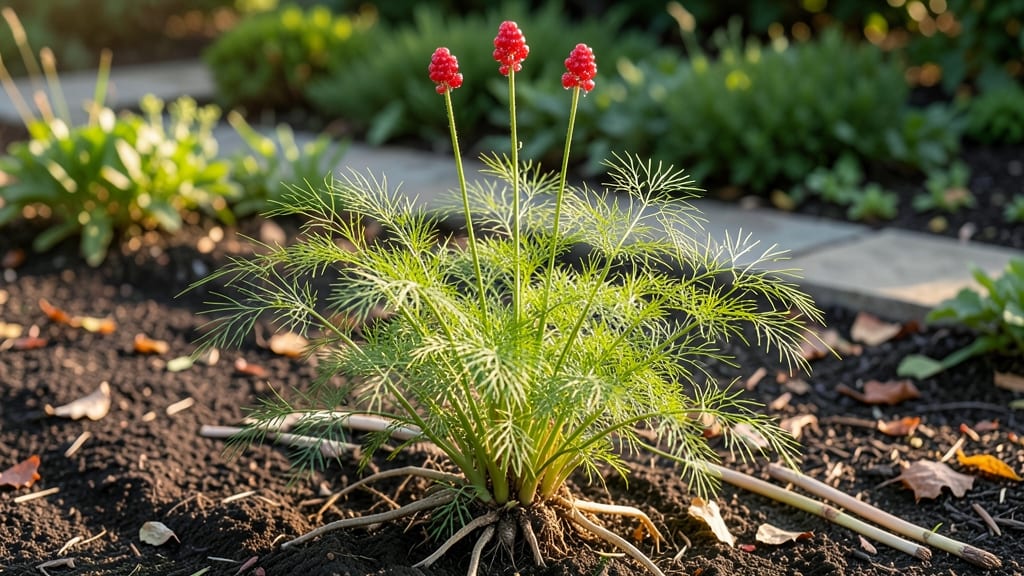
Your asparagus plant gone to seed signals it’s either aging or stressed—but don’t panic. ✨ I’ve nursed back three overgrown patches using these simple tricks, and your harvest can bounce back too.
The key is understanding whether those feathery tops mean your plant is ready for retirement or just needs a little TLC.
Seed stalks appear when asparagus plants shift from growth to reproduction, usually after 3-5 years of harvest. Heat stress, drought, or overcrowding can also trigger it prematurely. The good news?
You can still salvage next year’s crop by cutting those stalks at ground level before they go to seed, redirecting energy back to the roots.
For a quick fix, focus on watering deeply once a week and adding compost around the base. If the plant’s crown looks woody or the stalks keep appearing year after year, it might be time to divide or replace it.
Either way, you’ll know exactly what to do to keep your asparagus patch productive.
This works for both backyard beds and raised containers. The secret is acting fast—once those seed stalks dry out, the plant’s energy is gone for good. Let’s get your spears back on track!
When Asparagus Plants Skip Harvest
If your asparagus plants are sending up feathery seed stalks instead of tender spears, don’t panic—it’s not a sign of failure. Asparagus is a perennial crop with a built-in survival strategy: it goes to seed to ensure the next generation.
But when this happens too early or too aggressively, your harvest suffers. Let’s break down the real reasons your asparagus is prioritizing seeds over spears—and how to fix it.
Asparagus plants are long-lived perennials, but like all living things, they age. After 3–5 years of harvest, the crown (the woody base of the plant) becomes over-mature.
At this stage, the plant’s energy shifts from producing spears to focusing on seed production—a survival tactic to propagate the species.
🔬 Why it happens:
- Depleted energy reserves: Years of harvesting spears drain the crown’s starch stores. Without enough energy, the plant can’t sustain spear growth and instead diverts resources to flowering and seeding.
- Hormonal shift: Older crowns produce more florigen (a flowering hormone), triggering seed stalk growth. This is a natural decline in productivity.
- Reduced vigor: Mature plants prioritize reproduction over vegetative growth, leading to thinner spears or none at all.
💡 What to do:
- If your asparagus is over 5 years old, consider replacing the bed—new crowns will produce spears for 10+ years.
- For older plants, reduce harvest pressure in the final years to prolong spear production.
- Apply a balanced fertilizer (10-10-10) in early spring to support crown health before seeding begins.
Timing is everything with asparagus. If you harvest spears too aggressively in early years or wait too long, the plant gets confused—and responds by going to seed prematurely.
🔬 Why it happens:
- Early-year over-harvesting: In the first 2–3 years, asparagus crowns are establishing roots and energy stores. Harvesting more than 20% of the spears in a season forces the plant to skip dormancy and bolt (send up seed stalks) to "escape" the stress.
- Late-season harvests: If you keep picking spears after the plant signals it’s done (usually by early summer), the crown interprets this as a survival threat and shifts to seed production.
- Missed dormancy cues: Asparagus needs cold winter dormancy to reset. If you harvest into fall or disturb the soil too much, the plant may bolt early the next spring.
💡 What to do:
- In years 1–2, harvest only 1–2 spears per plant to let the crown build energy.
- Stop harvesting by mid-June (or when spears get woody) to allow the plant to recover and store energy for next year.
- Let some spears mature into ferns—this helps the crown photosynthesize and store food for winter.
- Avoid disturbing the soil in late summer/fall to prevent early bolting.
Asparagus is hardy, but environmental stress can push it into survival mode—fast. When conditions get tough, the plant may bolt prematurely to reproduce before dying.
🔬 Why it happens:
- Extreme heat or drought: Asparagus thrives in cool to moderate climates. If temperatures exceed 90°F (32°C) or soil dries out, the plant wilts and bolts to complete its life cycle quickly.
- Poor drainage or waterlogging: Soggy soil starves roots of oxygen, causing stress. The plant may bolt as a last-ditch effort to set seed before rotting.
- Nutrient deficiencies: Lack of phosphorus or potassium weakens the crown. Without enough energy, the plant prioritizes seed production over spears.
- Competition from weeds: Weeds steal water and nutrients, forcing asparagus to bolt early to compete for survival.
💡 What to do:
- Water deeply (1–1.5 inches per week) during dry spells, especially in first 2 years.
- Mulch with 2–3 inches of straw or wood chips to retain moisture and regulate soil temp.
- Test soil and amend with compost or a balanced fertilizer if deficient in nutrients.
- Keep the bed weed-free—hand-pull weeds in early spring before they compete.
- In hot climates, plant asparagus in partial shade or use shade cloth to reduce stress.
Not all asparagus is created equal. Hybrid and heirloom varieties have different tendencies toward early bolting, especially in short-daylight conditions or warm winters.
🔬 Why it happens:
- Short-daylight sensitivity: Some varieties (like Mary Washington) are more likely to bolt when daylight hours shorten in late summer/fall.
- Cold-hardiness limits: If your winter is too mild, the plant may break dormancy early and bolt prematurely.
- Hybrid vigor fade: Some F1 hybrids (like Jersey Knight) are bred for bolting resistance, but their offspring may revert to wild-type traits and seed more readily.
💡 What to do:
- Choose bolting-resistant varieties like Purple Passion, UC 157, or Pacific 2000 for reliable harvests.
- If growing heirlooms, accept a shorter productive lifespan (3–4 years vs. 10+ for hybrids).
- In mild-winter zones, chill the crowns by covering beds with straw or row fabric in late fall to force dormancy.
Reviving Your Asparagus Patch
If your asparagus plants have gone to seed, don’t panic—this is a natural part of their lifecycle, but it doesn’t mean your harvest is over. With the right steps, you can restore productivity and even prevent future issues.
Below, we’ll break down the most common causes and the practical fixes to get your asparagus thriving again.
If your asparagus ferns have produced seeds for two or more consecutive years, they’re signaling it’s time to rest or reset the plant. Over-mature plants divert energy to seed production instead of spears.
How to Fix It:
✅ 🔪 Prune Aggressively – Cut back all ferns to the ground in late fall or early winter. This forces the plant to redirect energy into next year’s spears rather than seeds.
✅ 🌱 Reduce Fertilizer (Temporarily) – Over-fertilizing can encourage more seed production. Switch to a low-nitrogen, high-potassium fertilizer (like 5-10-10) to promote root and spear growth instead of flowering.
✅ 💡 Pro Tip: If your patch is older than 5 years, consider digging up and dividing healthy crowns to replant in fresh soil. This rejuvenates the plant and prevents seed overload.
When asparagus plants struggle to thrive, they may go to seed as a survival mechanism. Drought, compacted soil, or nutrient deficiencies all trigger premature seed production.
How to Fix It:
💧 🌡️ Improve Watering Routine – Asparagus needs 1–1.5 inches of water per week, especially during spear production (spring). Deep watering (1–2 times per week) prevents stress-induced seeding.
🌱 🔄 Amend the Soil – Test your soil’s pH (ideal: 6.5–7.5). If it’s too acidic or compacted, mix in:
- Compost (for organic matter)
- Sand or perlite (for drainage)
- Lime (if pH is below 6.0)
✨ 🎯 Prevention Tip: Mulch with straw or wood chips to retain moisture and suppress weeds, reducing plant stress.
While asparagus loves full sun (6+ hours/day), intense heat or late-season sun can push plants into early seed production.
How to Fix It:
☀️ 🌳 Provide Light Shade (If Needed) – In hot climates (Zone 8+), use light shade cloth (30–50%) during peak summer to prevent heat stress.
🌿 🍃 Extend the Growing Season – If your area has short summers, plant heat-tolerant varieties (like ‘Jersey Knight’ or ‘Pacific’) and harvest spears early before heat sets in.
⏰ 🔥 Timing Matters: Stop harvesting spears by mid-summer to let the plant recover and store energy for next year.
If asparagus beetles, crown rot, or fungal diseases weaken your plants, they may go to seed prematurely to reproduce before dying.
How to Fix It:
🐞 👨🍳 Combat Pests Naturally
- Handpick beetles (drop them in soapy water).
- Spray neem oil (every 7–10 days) to deter eggs and adults.
- Encourage beneficial insects (ladybugs, lacewings).
🌧️ 💦 Prevent Fungal Issues
- Avoid overhead watering (use drip irrigation).
- Remove and destroy infected ferns immediately.
- Rotate crops (don’t plant asparagus in the same spot for 3+ years).
To stop seed production in future years, follow these golden rules:
- Harvest spears for only 2–3 years max before letting ferns grow freely for a year.
- Fertilize wisely – Use low-nitrogen fertilizer (like 5-10-10) after the first year.
- Monitor for stress – Wilting, yellowing, or stunted growth = time to check soil and water.
- Divide old crowns every 3–5 years to renew vigor.
By addressing the root cause (literally!) and adjusting your care routine, you’ll bring back thick, juicy spears in no time. 🚀 Next season, your asparagus patch will be back to producing like a champ—with minimal (or no) unwanted seeds!
Frequently asked questions
Why does my asparagus plant suddenly produce seed stalks?
Seed stalks appear when your asparagus plant shifts from growth to reproduction, usually after 3-5 years of harvest. This natural aging process depletes the crown's energy reserves, forcing it to prioritize seed production over spear growth. Heat stress, drought, or overcrowding can also trigger premature seeding.
Can I still harvest spears if my asparagus has gone to seed?
Yes, but with caution! Cut seed stalks at ground level to redirect energy back to the roots. For first-year plants, you can still harvest 20% of spears while allowing some to mature into ferns. In later years, focus on maintaining plant health rather than aggressive harvesting.
How do I prevent my asparagus from going to seed too early?
Start by harvesting only 1-2 spears per plant in the first 2 years to build energy reserves. Stop harvesting by mid-June to let ferns photosynthesize. Mulch with 2-3 inches of straw to retain moisture, and fertilize with low-nitrogen (5-10-10) after year one.
Should I remove the seed stalks completely?
Yes, cut them back to ground level in late fall or early winter to force the plant to redirect energy toward next year's spears. If you're saving seeds for propagation, collect them before stalks dry out completely. Otherwise, removal prevents seed spread and encourages healthier growth.
Is it time to replace my asparagus bed if it keeps going to seed?
Consider replacing after 5-6 years of harvest, as older crowns become woody and less productive. For a quick fix, divide healthy crowns every 3-5 years to rejuvenate the patch. New crowns can produce spears for 10+ years when properly cared for.