
Planting
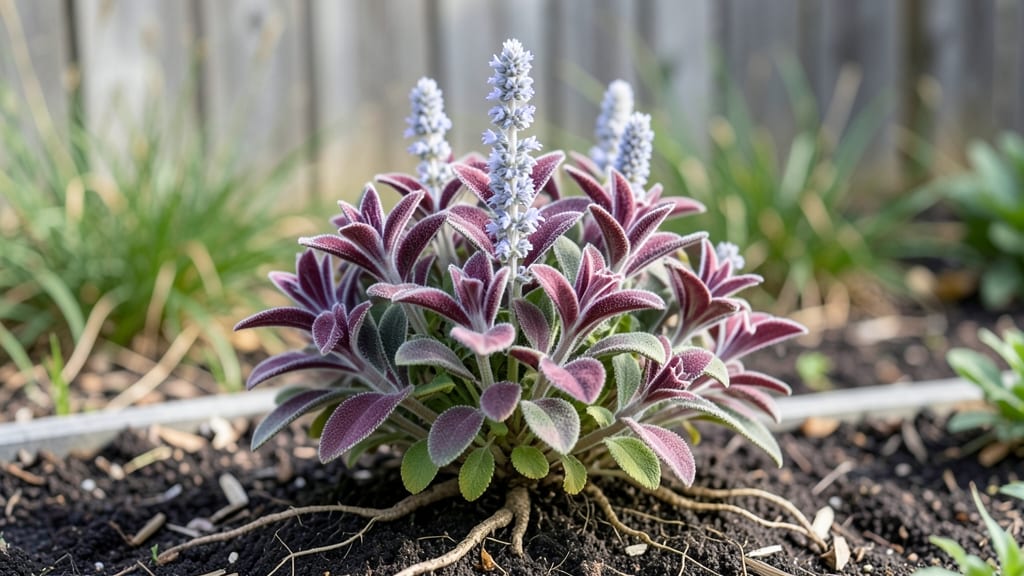
The anise-scented sage plant isn't just another herb—it's the one that turns your kitchen into a fragrant haven with its licorice-like aroma. 🌿 I've grown this variety for years, and it's become my go-to for both cooking and container gardens because it's hardy, drought-tolerant, and thrives even in small spaces.
This sage loves full sun (at least 6 hours daily) and well-draining soil—think sandy or loamy mixes with a touch of gravel. Water when the top inch feels dry, but don't drown it; overwatering is its biggest enemy.
The secret to keeping it lush? Prune back by a third after flowering to encourage bushier growth and more aromatic leaves.
You'll harvest fresh leaves for teas, pestos, or seasoning anytime, but the real magic happens when you crush a leaf—immediate anise scent fills the air. It's also deer-resistant, so it's perfect for borders or patio pots where wildlife might browse.
Winter care is simple: reduce watering and protect from harsh winds. In spring, it bounces back with new growth, ready to fill your garden with that signature licorice fragrance again.
📚 In This Guide
- What you need
- Instructions
- Tips and common mistakes
- Wrapping up and next steps
What you need
- ● Anise-scented sage plant: 1 nursery-grown plant (3–6 inches tall) or seeds (if starting from scratch). Look for Salvia officinalis 'Purpurascens' or similar aromatic varieties.
- ● Container: 1 pot (12–16 inches in diameter) with drainage holes. Terracotta, ceramic, or fabric pots work well!
- ● Potting mix: 3–5 gallons of well-draining herb or cactus/succulent mix (avoid heavy garden soil—sage hates soggy roots!).
- ● Perlite or sand: 1–2 cups (mix 1 part perlite/sand into the potting soil for extra drainage).
- ● Slow-release fertilizer: 1 packet (5–10 lb) of balanced, organic fertilizer (10-10-10 or similar).
- ● Garden trowel or small shovel: For transplanting (if using a seedling).
- ● Pruning shears: Sharp, clean pair for trimming (sterilize with rubbing alcohol!).
- ○ Mulch (optional): 1–2 inches of gravel or coarse bark to retain moisture and deter weeds.
- ● Watering can with a rose nozzle: For gentle, even watering (avoid overhead spray).
- ○ Sunlight meter (optional): To check if your spot gets 6+ hours of sun/day (sage’s sweet spot!).
Step-by-step instructions for growing anise-scented sage in containers
Here's how to cultivate this aromatic herb with minimal fuss—perfect for small spaces.
🪴 Step 1: Choose the Right Container and Soil
Anise-scented sage thrives in pots with excellent drainage. Select a container that's at least 12 inches wide and has drainage holes—terra cotta works best because it breathes and prevents root rot. If your pot lacks drainage, drill holes in the bottom to mimic this.
Use a well-draining potting mix blended with 20% perlite or coarse sand. This prevents soggy soil, which anise-scented sage despises. Fill the pot to within 1 inch of the rim and water lightly until the mix is evenly moist but not saturated.
🌱 Step 2: Plant Your Sage and Position for Sunlight
Dig a hole in the center of the pot, just deep enough to accommodate the root ball of your sage plant. Gently place the plant in, ensuring the top of the root ball sits ½ inch below the soil surface. This slight burial helps stabilize the plant.
Anise-scented sage craves full sun—6 to 8 hours daily. Position your container on a south- or west-facing patio, balcony, or windowsill. If indoors, place it near the brightest window. Watch for leggy growth—if stems stretch toward the light, move the plant closer.
💧 Step 3: Water and Fertilize with Care
Water your sage when the top inch of soil feels dry. Stick your finger into the soil to check—if it’s dry, water thoroughly until water drains from the bottom. Overwatering is the fastest way to kill this herb, so let the soil dry out between waterings.
Feed your plant every 4-6 weeks during the growing season with a balanced, water-soluble fertilizer diluted to half-strength. Anise-scented sage is low-maintenance and doesn’t need heavy feeding—too much fertilizer leads to weak, less fragrant growth.
✂️ Step 4: Prune and Harvest for Abundance
Prune your sage in early spring to encourage bushier growth. Trim back about ⅓ of the plant’s height, cutting just above a set of leaves. This step also removes any woody stems, keeping your plant vibrant. Avoid heavy pruning in fall or winter, as it stresses the plant.
Harvest leaves as needed by snipping stems just above a leaf node. The more you harvest, the bushier your plant grows. Use fresh leaves in cooking or dry them for later use. Never harvest more than ⅓ of the plant at once—this ensures it stays healthy and continues producing.
☀️ Step 5: Protect and Overwinter Your Sage
Anise-scented sage is hardy but benefits from protection in winter. If temperatures drop below 20°F, move the pot to a sheltered spot like a garage or under an eave. Bring it indoors if frost is expected, placing it near a sunny window.
Reduce watering in winter—sage goes semi-dormant and needs far less moisture. Resume regular care in spring when new growth appears. With proper overwintering, your sage will thrive for years, filling your space with its distinctive anise scent.
Tips & tricks for perfect anise-scented sage growth
Between us, growing anise-scented sage in containers is one of those rewarding projects where small details make all the difference. Here's what I've learned after watching my own plants go from struggling to thriving.
Container Selection: While the instructions call for a 12-inch-wide pot, I've found that adding a layer of gravel or broken pottery shards at the bottom—about 1 inch thick—boosts drainage even further. This prevents soggy soil from the get-go, which is crucial since anise-scented sage hates wet feet. If you're using a decorative pot without drainage, this extra layer becomes your best friend.
Soil Mix Upgrade: The 20% perlite recommendation is spot-on, but I like to add a handful of orchid bark to the mix for extra aeration. This helps prevent compaction as the soil settles over time. Pro tip: Mix everything thoroughly before planting—uneven distribution can lead to dry spots that stress the roots.
Sunlight Strategy: For those of us with limited outdoor space, I've discovered that a south-facing windowsill gets about 6 hours of direct sunlight—perfect for anise-scented sage. If your windows don't get enough light, consider a grow light for 10-12 hours daily during shorter winter days. The key is consistency: these plants notice when light becomes unreliable.
Winter Care Secret: When temperatures drop below 20°F, I move my potted sage to a garage with a window rather than bringing it fully indoors. This mimics the plant's natural dormancy period while still giving it some light. If you must bring it inside, avoid drafty areas—sudden temperature swings can shock the plant.
Pro Tips for Anise Scented Sage Plant
- Between us, growing anise-scented sage in containers is one of those rewarding projects where small details make all the difference.
- Container Selection: While the instructions call for a 12-inch-wide pot, I've found that adding a layer of gravel or broken pottery shards at the bottom—about 1 inch thick—boosts drainage even further.
- Soil Mix Upgrade: The 20% perlite recommendation is spot-on, but I like to add a handful of orchid bark to the mix for extra aeration.
Frequently asked questions
How often should I water my anise-scented sage?
Water moderately—about once a week (or when the top inch of soil feels dry). This drought-tolerant herb hates soggy roots, so ensure pots have drainage holes. Overwatering is the #1 killer of anise sage!
When is the best time to harvest anise-scented sage leaves?
Harvest just before flowering (spring to early summer) for the strongest flavor. Pinch off tender leaves or stems, leaving at least half the plant intact to encourage regrowth. Avoid heavy harvesting in fall—let it recover for next year!
Can I grow anise-scented sage indoors? Yes—but with caveats!
It thrives indoors near sunny windows (south-facing) or under grow lights. Use a well-draining potting mix and rotate the pot weekly for even growth. Expect slower growth than outdoors—supplement with bright, indirect light to mimic its Mediterranean roots.
Why are my anise-scented sage leaves turning yellow?
Yellowing leaves usually mean overwatering or poor drainage. Let the soil dry out between waterings and check for root rot (smelly, mushy roots = bad news). If pests like aphids are to blame, spray with neem oil or rinse leaves with soapy water.
What’s a good substitute for anise-scented sage in cooking?
If you’re out of anise sage, try regular sage (earthier), thyme (similar but milder), or fennel fronds (for that licorice-anise note). For baking, star anise (sparingly!) adds a hint of warmth. Pro tip: Toast herbs first to deepen their flavor!
Wrapping up and next steps
Growing an anise-scented sage plant is a rewarding journey that brings fragrant beauty to your space—whether in pots, gardens, or even as a culinary staple! 🌿 With its low-maintenance nature and striking aroma, this herb is perfect for both beginners and seasoned gardeners.
Whether you’re drawn to its licorice-like scent or its versatility in cooking, now’s the time to roll up your sleeves and get planting.
Ready to take the next step? Start with a healthy plant (or seeds!) and follow the care tips shared here. Before you know it, you’ll be harvesting fresh leaves for teas, garnishes, or even homemade remedies. Happy growing!