
Planting
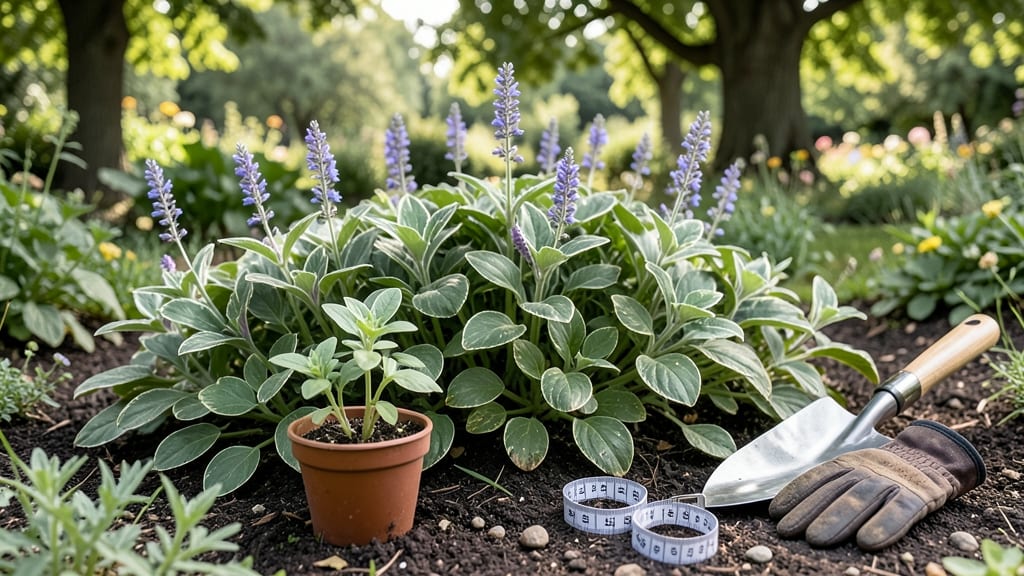
Spacing ajuga plants correctly at 12 inches apart is the game-changer for a thick, weed-smothering ground cover that stays healthy for years.
Picture this: You’ve just planted your ajuga 🌿, dreaming of a vibrant, low-maintenance carpet—but instead, you end up with sparse patches and leggy stems. That’s where precise spacing comes in.
Ajuga thrives when given room to breathe, but not so much that weeds sneak in. The right distance ensures dense foliage, prevents disease, and lets you enjoy those striking purple or gold leaves without the hassle.
In this guide, I’ll walk you through the science behind 12-inch spacing, how to adjust for different varieties, and pro tips to keep your ajuga looking lush year after year.

Optimal ajuga plant spacing for maximum ground cover
Ajuga plants, also known as bugleweed, thrive when given the right amount of space to spread their vibrant foliage and create that coveted dense ground cover.
The 12-18 inch spacing guideline isn't just a suggestion—it's a science-backed approach to balance competition for resources while preventing disease spread from overcrowding. I've found that this range works best for most Ajuga reptans varieties, but adjustments are needed for Ajuga pyramidalis and other types.
When planting ajuga, think of it like a living carpet that needs room to breathe. Too close, and you risk yellowing leaves from poor airflow; too far, and weeds will sneak in.
The 12-inch mark is your sweet spot for full coverage within 2-3 years, while 18 inches gives you more flexibility for larger varieties or rocky soils where roots need extra room to establish.
The soil depth also plays a crucial role in spacing decisions. Ajuga has shallow roots, typically reaching only 4-6 inches deep. In well-draining soil, you can safely plant at the 12-inch spacing without worrying about root competition.
However, in heavy clay soils or areas with poor drainage, I recommend stretching to 16-18 inches to prevent root rot and give plants room to adapt.
Climate matters too. In hotter zones (7-10), where ajuga might struggle with summer drought stress, the wider 16-18 inch spacing allows better moisture retention in the soil.
Conversely, in cooler northern climates (3-6), the tighter 12-inch spacing works perfectly, as the plants naturally grow more slowly and don't compete as fiercely for water.
Now, let's talk about the variety-specific differences that can change your spacing strategy. Ajuga reptans, the most common type, spreads aggressively through stolons (horizontal runners), so 12-15 inches is ideal.
Meanwhile, Ajuga pyramidalis, with its upright growth habit, benefits from 16-18 inches to prevent flopping and improve airflow to the base.
One mistake I see gardeners make is assuming that more plants equal faster coverage. While ajuga does spread quickly, cramming plants too close creates a perfect storm for fungal diseases like powdery mildew.
The 12-18 inch rule ensures enough air circulation while still allowing the stolons to bridge the gaps naturally over time. For example, I once planted ajuga at 8 inches apart in a shady border—within a year, the center plants were yellowing and dying from poor airflow.
If you're planting ajuga in containers or raised beds, the spacing rules change slightly. In confined spaces, reduce spacing to 8-10 inches to create that instant ground cover effect. However, be prepared to divide and thin the plants every 2-3 years to maintain health.
I've used this trick in window boxes and hanging baskets with great success, though I always add extra drainage holes to prevent root rot.
For edge planting or along garden borders, consider a
How to space ajuga plants for different garden layouts
Ajuga thrives when you tailor its spacing to your garden's unique features. Whether you're lining a garden border, covering a sunny slope, or filling containers, precise placement ensures a lush, weed-suppressing carpet.
Let's explore how to adapt 12-inch spacing for different layouts while keeping ajuga's natural spread in check.
For straight borders, maintain 12-18 inches between plants to create a uniform edge. Use a string line and stakes to mark rows before planting. This method works beautifully along pathways or foundation plantings, where ajuga's purple foliage adds striking contrast.
Remember to leave extra space if your variety has spreading habits like Ajuga reptans.
- Garden Borders: 12-18" spacing for straight edges; 15-20" for curved borders
- Slopes/Hillsides: Stagger plants 18" apart in rows 12" apart to prevent erosion
- Containers: 8-10" spacing for 12" pots; 12" spacing for 18"+ containers
- Under Trees: 18-24" spacing to avoid root competition; plant in dappled shade
- Checkerboard Design: Alternate ajuga with companion plants (like creeping thyme) every 12" for visual interest
On sloped areas, use a staggered pattern with plants spaced 18 inches apart in rows that are 12 inches apart. This creates a natural terraced effect that prevents erosion while allowing ajuga's spreading roots to stabilize the soil.
For steep slopes, consider mixing ajuga with sedum or heuchera for added texture and erosion control.
Container gardening requires special attention to spacing. In 12-inch pots, plant ajuga 8-10 inches apart to allow for growth without overcrowding. For larger containers (18 inches or more), return to the 12-inch spacing guideline.
Remember that container-grown ajuga will need more frequent watering, especially during hot summer months. Mix in organic mulch to retain moisture and regulate soil temperature.
When planting under mature trees, increase spacing to 18-24 inches to avoid competing with the tree's root system. Ajuga's tolerance for partial shade makes it perfect for these areas, where it can suppress weeds and add vibrant color.
Choose dwarf varieties like Ajuga pyramidalis if your tree has shallow roots, as these stay more compact.
For creative designs, try a checkerboard pattern by alternating ajuga with other ground covers every 12 inches. This not only creates visual interest but also helps control ajuga's spread in formal garden settings.
Pair it with creeping thyme, heuchera, or lamium for contrasting textures and colors that will make your garden stand out.