
Planting
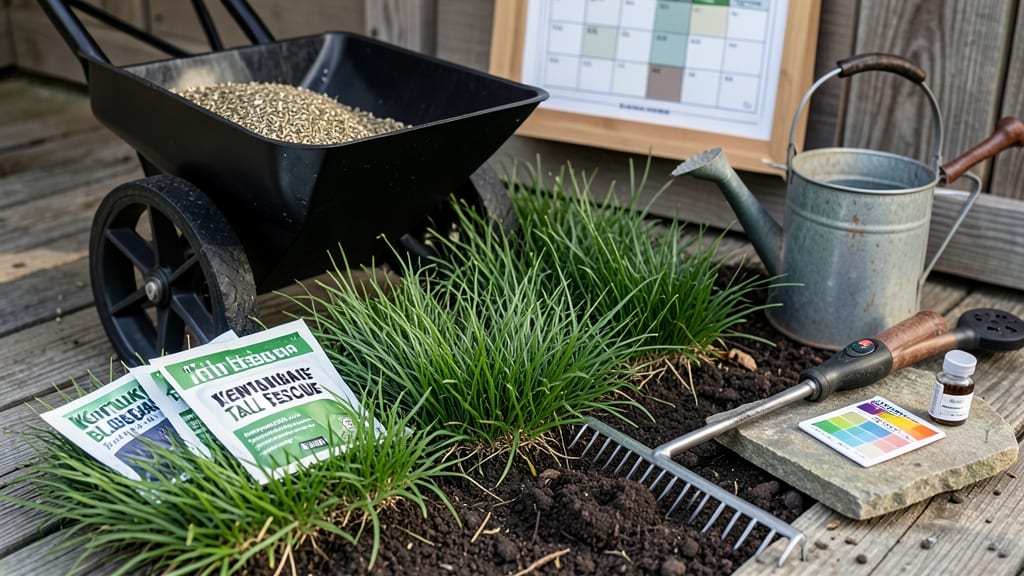
Planting grass seed in Illinois at the right time means the difference between a thick, green lawn and weeks of patchy, struggling sprouts.
Timing is everything—especially when you’re dealing with spring frosts that can wipe out fresh seedlings in a night or summer heat that dries out seeds before they even take root. Get it wrong, and you’ll end up redoing the whole process, wasting both money and patience.
In Illinois’ 5a-6b zones, the ideal window stretches from early spring to early fall, but the exact timing depends on soil temperatures and frost dates. Too early, and frost will kill your efforts; too late, and summer drought can stall germination.
I’ll walk you through the best months for your specific zone, how to prep your soil, and what grass varieties thrive here.
Whether you’re seeding a new lawn or overseeding an existing one, knowing when to plant is the key to success. Let’s break down the best strategies for Illinois lawns—so you can enjoy that lush, green carpet all season long.
Best planting windows in Illinois by hardiness Zone (soil temps & frost dates)
Illinois spans USDA hardiness zones 5a through 7a, meaning frost dates and soil temperatures vary dramatically from north to south. In Zone 5a (northern Illinois), last frosts often linger until mid-May, while Zone 7a (southern Illinois) typically sees frost-free conditions by mid-April.
These differences directly impact your grass seed germination timing—plant too early, and frost will kill tender sprouts; too late, and summer heat stresses new growth.
For consistent success, aim to plant when soil temperatures reach 50-65°F and after the last average frost date.
Most Illinois lawns thrive when seeded in early spring (April) or early fall (September), but your exact window depends on your zone. Fall planting is often preferred because cooler temps reduce weed competition and drought stress.
In Zone 5a, where frosts can linger until mid-May, I recommend waiting until late April to plant, even if soil warms earlier. Use a soil thermometer to confirm temps stay above 50°F for 5+ days.
For Zone 7a, you can start as early as February, but be prepared to protect seedlings with frost cloth if late frosts hit.
Fall planting offers a second chance for Illinois gardeners. In September, soil is still warm enough for germination (aim for 60–65°F), but nights are cooler, reducing weed competition and watering demands.
This window works across all zones, but Zone 5a should finish by early October to avoid winter dormancy risks.
Adjust your timeline if Illinois delivers an early or late spring. Check the National Weather Service or local Cooperative Extension office for 10-day forecasts. If frost is predicted within 2 weeks of planting, delay until soil warms or use row covers for protection.
In drought-prone areas like St. Louis or Champaign, prioritize fall planting to conserve water.
Pro tip: Test your soil moisture before planting. Stick your finger 2 inches deep
How to prepare your Illinois lawn for grass seed success (soil, sun & seed selection)
Preparing your Illinois lawn for grass seed is half the battle—especially when dealing with the state’s clay-heavy northern soils or sandy southern patches. The right prep ensures your seeds germinate quickly and grow into a thick, resilient lawn.
Start by testing your soil pH, which should sit between 6.0 and 7.0 for optimal grass health. If your soil is too acidic or alkaline, amend it with lime or sulfur before planting.
Next, choose the right grass seed variety for your yard’s sunlight conditions. Kentucky Bluegrass thrives in full sun and handles Illinois’ hot summers, while Fine Fescue is ideal for shady spots.
For partial shade, consider Tall Fescue, which tolerates both sun and dappled light. Matching your seed to your yard’s light exposure is key to avoiding patchy growth.
Illinois’ unpredictable spring frosts and summer droughts demand extra prep. Aerate your lawn in early fall or spring to loosen compacted soil, especially in high-traffic areas. Overseed in September or early October for cooler weather and fewer weeds, or in late April to early May after the last frost date.
Timing is everything—plant too early, and frost will kill young sprouts.
When to Plant Grass Seed in Illinois
Pro Tip: Test soil temps—aim for 50-65°F for germination. Use a soil thermometer or check local weather alerts for frost warnings.
Before seeding, rake your lawn to create a fine, level surface for even seed distribution. Spread a starter fertilizer with phosphorus to encourage root growth, then lightly cover seeds with 1/4 inch of topsoil.
For windy areas like Chicagoland, secure seeds with a light straw mulch to prevent erosion. Water gently but deeply—1 inch per week—to keep soil moist but not soggy.
For clay-heavy soils in northern Illinois, mix in compost or sand to improve drainage. Southern Illinois’ sandy soils benefit from organic matter like peat moss to retain moisture.
Both regions should avoid heavy foot traffic on new seed until it’s 2-3 inches tall. Patience pays off—a well-prepared lawn will establish faster and resist weeds better.
Finally, mow high—3-4 inches—once your grass reaches 3 inches tall. This encourages deeper roots and shades out weeds. Adjust your mower blade height seasonally: higher in summer to conserve moisture, lower in fall to prep for winter dormancy.
With the right prep, your Illinois lawn will be the envy of the neighborhood.