
Planting
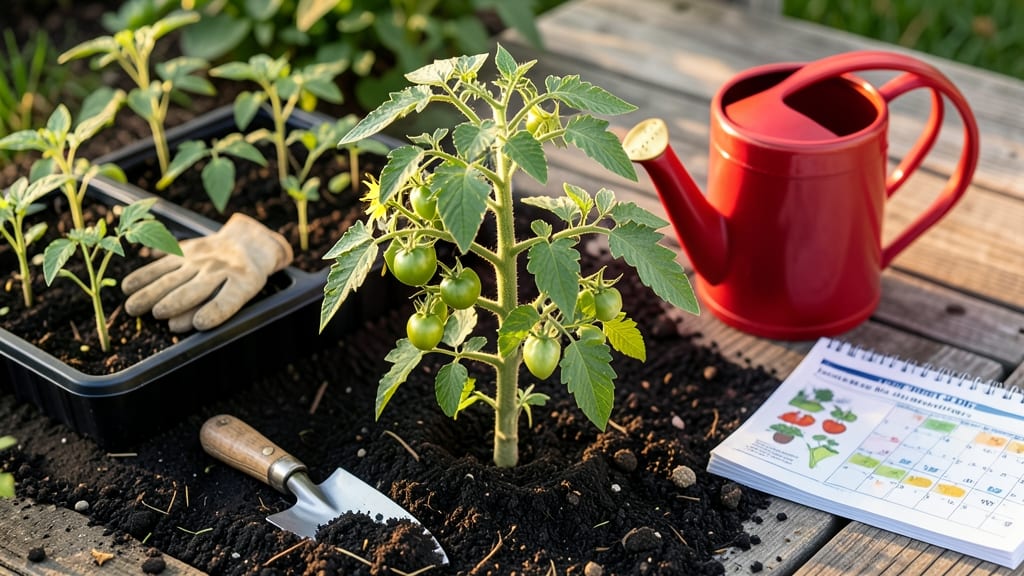
Planting your garden in Indiana at the right time means faster germination and bigger harvests—so timing your cool-season crops after the last frost and warm-season plants when soil hits 60°F is everything.
Indiana’s unpredictable springs and frosty falls can make garden planning a guessing game—but timing your plantings right ensures faster germination and a thriving harvest.
With Zone 5 & 6’s unique climate shifts, knowing the exact windows for cool-season crops, warm-season staples, and fall plantings is the key to avoiding wasted seeds and missed opportunities.
If you’ve ever rushed seedlings into cold soil or waited too long to plant tomatoes, you know how quickly a missed window turns into lost time. The good news?
Indiana’s frost dates are predictable enough that you can plan with confidence—and a few simple adjustments for microclimates can stretch your growing season by weeks.
Here’s how to pinpoint the best planting dates for your garden in Indiana, from starting seeds indoors to transplanting outdoors, plus pro tips for extending seasons and avoiding common mistakes that stall growth.
Indiana planting calendar: exact dates for Zone 5 & 6 by crop type
Indiana’s last average frost dates typically land between April 15-30 in Zone 5 and April 1-15 in Zone 6, but these can shift by weeks. For warm-season crops like tomatoes and peppers, waiting until soil reaches 60-65°F (usually late May) prevents stunted growth.
Meanwhile, cool-season crops like spinach and peas thrive when planted 4-6 weeks before the last frost.
Northern Indiana (Zone 5) generally has a shorter growing season (150-180 days frost-free), while southern Indiana (Zone 6) enjoys 180-210 days. This means early varieties of corn or beans may succeed in Zone 6 but struggle in Zone 5.
Always check your local microclimate—urban areas often warm up faster than rural spots.
Soil temperature is your best guide: use a soil thermometer to confirm readiness. For example, cucumbers and squash need 70°F+ soil, while broccoli and kale germinate best in 45-55°F soil. Below, I’ve broken down exact planting windows by crop type, including adjustments for early/late varieties.
For tomatoes and peppers, which are heat-loving annuals, I recommend starting seeds indoors 8-10 weeks before the last frost date. In Zone 5, this means February 15-March 1, while Zone 6 gardeners can begin March 1-April 1.
Transplant seedlings outdoors only after nighttime temperatures stay above 50°F consistently.
If you’re growing cold-hardy greens like kale or Swiss chard, you can extend your harvest into fall by planting late summer (August). These crops actually sweeten after frost, making them perfect for fall and winter harvests.
Just cover them with row fabric when nighttime temps drop below 25°F.
For herbs like basil and cilantro, timing is critical
How to adjust planting times for Indiana’s microclimates and soil conditions
Indiana’s diverse geography—from the cool lake-effect zones near Michigan to the warmer southern plains—means frost dates can vary by 2-3 weeks across the state.
Urban areas like Indianapolis often experience urban heat islands, where pavement and buildings trap heat, while low-lying regions near rivers or valleys may face earlier frost risks. Adjusting your planting schedule based on these microclimates can mean the difference between a thriving garden and wasted seeds.
Start by testing your soil temperature with a simple soil thermometer—most seeds need soil at least 50°F for cool-season crops and 60-65°F for warm-season staples like tomatoes. In northern Indiana, wait until mid-May for warm-season plants, while southern Indiana gardeners can plant 2-3 weeks earlier.
Row covers and cold frames can extend your growing season by 2-4 weeks in both directions—spring and fall.
🌱 5 Key Adjustments for Indiana’s Microclimates
- 1. Test soil warmth—Use a thermometer to confirm 50°F+ for cool crops and 60°F+ for warm crops before planting.
- 2. Use row covers—Extend spring planting by 2-3 weeks and fall harvests by 4 weeks with lightweight fabric.
- 3. Plant heat-loving crops near south-facing walls or dark mulch in urban areas to add 5-10°F warmth.
- 4. Avoid low spots—Frost lingers longer in valleys; opt for slightly elevated beds for early plantings.
- 5. Monitor local frost data—Check Purdue Extension’s frost maps for real-time updates on your specific region.
For urban gardeners, pavement and buildings can create microclimates that are 5-10°F warmer than surrounding areas. Plant heat-sensitive crops like lettuce or peas in shadier spots or use shade cloth during peak summer heat.
Conversely, warm-season crops like peppers and eggplants thrive in these warmer pockets—just be prepared to harvest earlier before fall frosts arrive.
In northern Indiana, where frost can linger until May 15-20, consider starter plants instead of direct sowing for warm-season crops. Southern Indiana’s longer growing season (first frost around October 15) allows for fall planting of cool-season crops like spinach and kale.
Always account for maturity dates—a tomato plant needs 70-85 days to fruit, so plant accordingly.
Don’t forget to amend heavy clay soils common in Indiana with compost or sand to improve drainage and warmth. A simple soil test (available through Purdue Extension) will reveal if your garden needs lime for acidity or organic matter for fertility.
Well-prepared soil warms up faster in spring, giving your plants a head start on the growing season.
By fine-tuning your planting schedule with these microclimate strategies, you’ll maximize your garden’s potential—whether you’re battling late frosts in the north or urban heat in the city. Happy gardening! 🌿