Planting
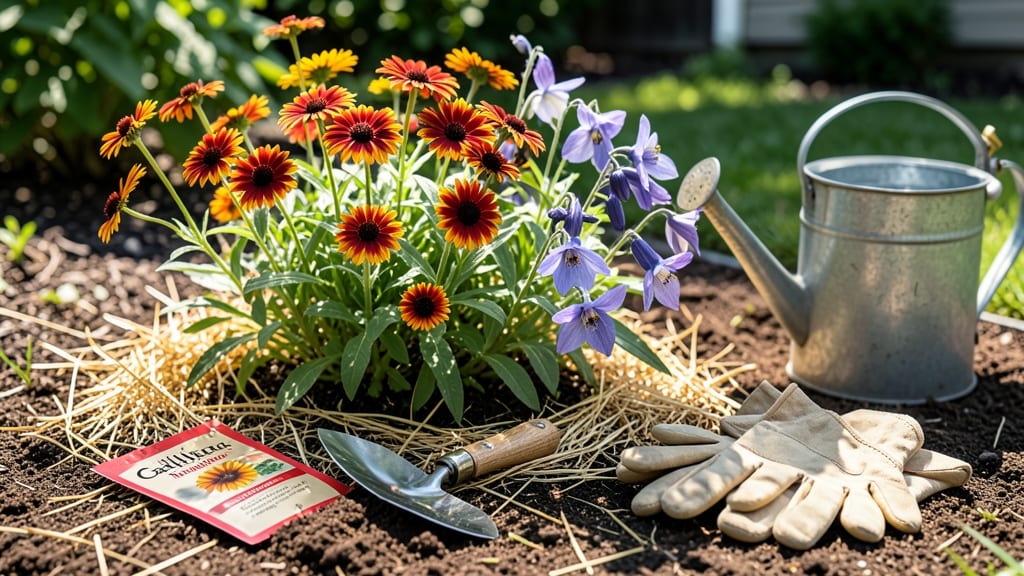
To plant a garden in Colorado, timing is everything—your last frost date depends on elevation, with mid-April for the Front Range and late May in the mountains.
Colorado’s diverse elevation zones create unique gardening challenges—planting too early risks frost damage, while waiting too long shortens your growing season. Get the exact frost-free deadlines for your area to maximize your garden’s potential.
Whether you’re in USDA Zone 5 or 7, knowing when to start seeds indoors versus transplanting outdoors makes all the difference. I’ll break down the best planting windows for vegetables, flowers, and perennials, so you can avoid costly mistakes.
From soil prep tips to region-specific recommendations, you’ll learn how to extend your growing season safely—whether you’re a beginner or a seasoned gardener. Let’s get started!
Colorado’s frost-free planting deadlines by elevation zone
Colorado’s dramatic elevation shifts—from 5,000 feet on the plains to 10,000+ feet in the mountains—mean frost dates vary wildly. Planting too early in high-altitude zones risks frost damage, while waiting too long in lower elevations shortens your growing season.
Understanding these deadlines helps you time spring planting and fall crops perfectly.
Your USDA hardiness zone (5-7 in most of Colorado) gives a baseline, but microclimates and elevation adjustments are critical. For example, Denver’s 5,280 ft average means last frosts typically arrive April 15–May 1, while Grand Junction (4,400 ft) sees frost-free conditions by March 15.
Meanwhile, Aspen (7,800 ft) may not thaw until June 1.
Use this elevation-based guide to pinpoint your frost-free window and align it with your planting calendar. Whether you’re in the Front Range, Western Slope, or Eastern Plains, knowing these dates ensures your warm-season crops like tomatoes and peppers thrive.
⚠️ Pro Tip: Always check your local CoCoRaHS station or Colorado State University Extension for real-time updates—frost can linger 2–4 weeks later in high-altitude gardens.
If you’re in the Eastern Plains, you can start warm-season crops like peppers and eggplants as early as March 15, giving you a longer growing season.
Meanwhile, high-altitude gardeners in areas like Leadville (10,152 ft) should wait until late May to plant tomatoes, as early frosts are common until then.
For fall planting, aim to sow cool-season crops like kale and spinach 6–8 weeks before your first frost. In Denver, that’s August 15–September 1, while Grand Junction can extend planting until September 30. High-altitude areas may only allow for July sowing of frost-tolerant crops.
Use these deadlines to plan your su
Best plants for Colorado’s short growing seasons by zone
Colorado’s elevation zones—from Front Range valleys to high-altitude mountains—dictate which plants thrive best. Lowland areas (5,000–6,500 ft) like Denver and Colorado Springs can grow heat-loving crops, while high-altitude zones (7,000+ ft) demand cold-hardy varieties.
The key? Match your planting windows to your elevation zone and last frost dates to avoid frost damage.
For lower elevations (USDA Zones 5-6), prioritize warm-season crops like peppers, tomatoes, and squash, which need longer growing seasons. In higher elevations (Zones 3-5), focus on cold-tolerant vegetables such as potatoes, kale, and peas, which mature faster in cooler temps.
Herbs like thyme, oregano, and mint adapt well across elevations, while flowers like coneflowers and black-eyed Susans add color without demanding long summers.
🌱 Top Plants by Elevation Zone
-
🏔️ < 6,000 ft (Front Range/Lower Elevations)
- Peppers (plant May 15–June 1)
- Tomatoes (start indoors March, transplant May 15)
- Zucchini/Squash (direct sow May 1–June 10)
- Basil (transplant after last frost)
-
🏔️ 6,000–8,000 ft (Mid-Elevation)
- Potatoes (plant April 15–May 15)
- Kale (sow March–July for fall/winter harvest)
- Peas (direct sow April–May)
- Carrots (sow April–June)
-
🏔️ 8,000+ ft (High Altitude)
- Hardy Cabbage (sow March–May)
- Radishes (fast-growing, April–June)
- Swiss Chard (tolerates cool nights)
- Nasturtiums (edible flowers, May–July)
Fall planting is your secret weapon in Colorado—many cool-season crops thrive when planted late August to early September. Broccoli, lettuce, and spinach love cooler temps and can survive light frosts, making them perfect for high-altitude gardens. Even in lower elevations, garlic and onions planted in fall will mature next summer with minimal fuss.
Don’t overlook perennials like asparagus, rhubarb, and strawberries, which establish roots in spring but reward you for years with minimal replanting. Herbs like rosemary and lavender thrive in dry, rocky soil, making them ideal for Colorado’s arid climates.
For flowers, coneflowers, black-eyed Susans, and penstemon are drought-tolerant and attract pollinators without demanding constant watering.
Pro tip: Succession planting works wonders in Colorado’s short season. Sow fast-maturing crops like radishes or lettuce every 2 weeks in spring and fall to stretch your harvest. Pair heat-lovers (peppers, tomatoes) with cool-season crops (kale, peas) in staggered rows to maximize space and time.
Remember, soil prep is non-negotiable—Colorado’s clay-heavy soils drain poorly when wet. Amend with compost and sand before planting, and mulch heavily to retain moisture in dry summers and insulate roots in chilly springs.
With the right plants and timing, you’ll turn Colorado’s short growing season into a bountiful harvest! 🌱🌿