
Planting
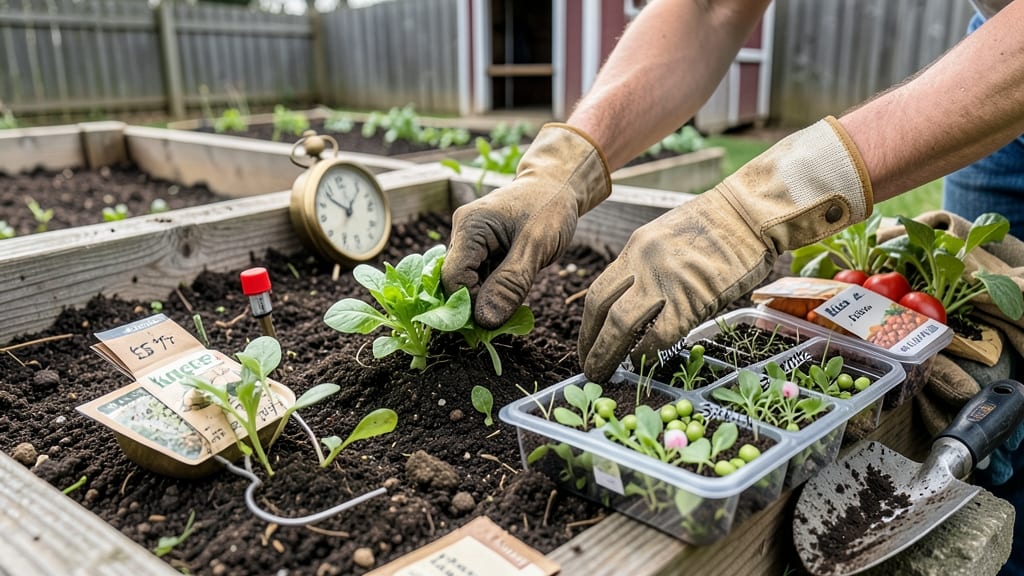
You plant a garden in Ohio when soil temperatures hit 50°F+ for cool crops and 60°F+ for warm-season favorites like tomatoes and peppers—timing that turns Ohio’s short growing season into your advantage.
Ohio’s unpredictable spring weather can turn a gardener’s excitement into frustration—planting too early risks frost damage, while waiting too long may miss peak harvests. Mastering the soil temperature rules for Ohio’s diverse microclimates is your secret weapon for a thriving garden.
From Zone 5’s colder north to Zone 7’s milder southern regions, Ohio’s frost-free dates vary by weeks. Cool-season crops like peas and kale can handle early spring plantings, while tomatoes and peppers demand warmer soil to thrive—often weeks after the last frost.
In this guide, you’ll discover the exact planting windows for Ohio’s top crops, how to test soil warmth, and pro tips for extending your harvest season—no more guessing, just perfect timing for your garden’s success.
Ohio planting zones: when to plant based on last frost dates
Ohio spans USDA Hardiness Zones 5 through 7, creating a patchwork of microclimates where frost dates vary by 1-2 weeks between northern and southern regions.
Understanding these zones helps you time cool-season crops like kale and peas for early planting, while warm-season favorites like tomatoes and peppers wait until after the last frost. Urban areas often experience earlier last frosts than rural zones due to the "heat island" effect.
Your exact last frost date depends on elevation, proximity to lakes, and historical weather patterns. The Ohio State University Extension tracks these variations—northern Ohio (Zone 5) typically sees its last frost around May 15, while southern Ohio (Zone 7) averages April 15.
Rural areas tend to have later frosts than cities, so check local records before planting.
To find your precise planting zone, visit the USDA Plant Hardiness Zone Map and enter your ZIP code. For Ohio, this will pinpoint your zone between 5a and 7b.
Then, cross-reference with the average last frost dates below to determine when to plant seeds directly in the ground versus starting indoors.
Urban gardeners in Columbus or Cincinnati (Zone 6) can often plant cool-season crops like spinach and peas by March 20, while rural areas in Toledo or Youngstown (Zone 5) should wait until April 10.
Warm-season crops like peppers and eggplants need to wait until after May 15 statewide, regardless of zone.
| Zone | Last Frost Date | Cool-Season Planting Window | Warm-Season Planting Window | Example Crops |
|---|---|---|---|---|
| 5a (Northern OH) | May 15 | March 20 - April 10 | May 20 - June 1 | Peas, kale, spinach |
| 6a (Central OH) | May 1 | March 1 - April 1 | April 30 - May 15 | Lettuce, broccoli, tomatoes |
| 7a (Southern OH) | April 15 | February 20 - March 15 | April 1 - April 30 | Peppers, cucumbers, squash |
| Urban Microclimate | April 20 - May 5 | March 10 - April 1 | May 1 - May 10 | Herbs, radishes, beans |
For cool-season crops, aim to plant 4-6 weeks before the last frost to ensure a full harvest before summer heat sets in. For example, in Zone 6, sow spinach seeds outdoors by March 1 to harvest before temperatures exceed 80°F.
Conversely, warm-season crops like tomatoes need soil temperatures above 60°F and should only go in after the last frost risk has passed.
Ohio’s first frost dates in fall also vary by zone, with northern areas experiencing frost by October 15 and southern regions often holding off until November 1. This means fall planting of cool-season crops like kale and radishes can extend your harvest well into winter.
Use row covers or cold frames to protect tender plants from early frosts.
Pro tip: Use frost-sensitive plants like basil or marigolds as natural indicators. If they survive a night without damage, your last frost has likely passed. For a more precise gauge, invest in a soil thermometer—60°F soil temperature is the magic number for warm-season crops to thrive.
Remember, these dates are averages, not guarantees. Check the National Weather Service or local Cooperative Extension Service for year-specific updates. Adjust your planting schedule by 1-2 weeks based on recent weather patterns to account for Ohio’s unpredictable climate shifts.
By aligning your planting schedule with Ohio’s frost-free zones and soil temperature rules, you’ll maximize your garden’s potential and avoid the heartbreak of frost-nipped seedlings. Happy planting! 🌱
Soil temperature rules: the hidden factor most Ohio gardeners ignore
Ohio’s clay-heavy soils and unpredictable spring make timing critical—but most gardeners focus on air temperature alone. The real secret? Soil temperature determines whether seeds germinate or transplants thrive. A 60°F soil might feel warm above ground, but 50°F soil can stall growth for weeks.
For example, tomatoes and peppers need 60°F+ soil to avoid rot, while spinach and peas sprout at 40°F+. Ohio’s southern counties (Zone 6) warm faster than northern areas (Zone 4), creating a 2-week planting window difference. Ignoring this rule often means wasted seeds or leggy seedlings.
Here’s how Ohio’s soil types affect timing:
- Clay soils (common in central Ohio) stay 10°F colder longer than sandy soils
- Sandy soils (southwest Ohio) warm quickly but dry fast
- Loamy soils (best for Ohio) balance moisture and warmth
To test your soil’s temperature, insert the thermometer 2-3 inches deep in a shaded spot (direct sun adds 5-10°F error). Morning readings are best—afternoon soil can spike 15°F higher due to sun exposure. For container gardens, soil warms 2-3 days faster than in-ground beds.
Pro tip: Black plastic mulch raises soil temps by 5-8°F, letting you plant tomatoes and peppers 2 weeks earlier. In Zone 5 (north Ohio), aim for May 15 for warm-season crops; in Zone 6 (south Ohio), you can start as early as April 20.
Always confirm with a thermometer—no guessing!
Remember: Cool-season crops (like lettuce and carrots) tolerate 40-50°F soil, while warm-season plants (like beans and squash) need 70°F+ to thrive. Ohio’s last frost date (around April 15 in most areas) is just the start—soil temp is the final green light.