
Planting
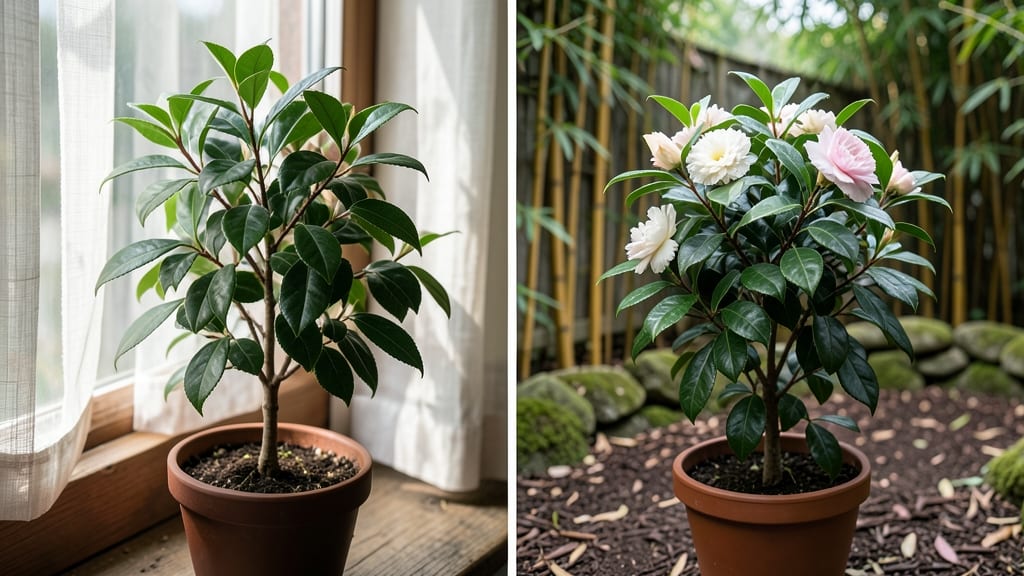
A tea plant pot brings the calming fragrance of a sunlit garden into any space—even when it's snowing outside. 🌿 I’ve grown these delicate evergreens for years, and the secret to their lush, glossy leaves isn’t complicated: it’s about matching their natural habitat to your home’s conditions.
The right pot, soil, and light can turn a finicky plant into a low-maintenance star.
You’ll need a 12-18-inch container with drainage holes, well-draining potting mix (think 50% peat or coconut coir, 30% perlite, and 20% compost), and a spot with bright, indirect light—like a south-facing window or a shaded patio.
Tea plants hate soggy roots, so skip the fancy pots without drainage unless you’re willing to water like a surgeon. Prune lightly in spring to encourage bushier growth, and you’ll have vibrant foliage year-round.
By summer, your tea plant will reward you with dark green, leathery leaves that stay vibrant even in winter. The best part? You won’t need to repot for years if you start with the right container size.
Just keep the soil slightly moist (not drenched) and avoid drafts, and you’ll have a living room centerpiece that actually thrives.
Outdoor growers can move their pots to a sheltered porch in summer, but indoor plants do just fine year-round. The key is patience—these aren’t fast growers, but their slow, steady beauty makes them worth the wait. Ready to transform a corner of your home into a mini tea garden?
📚 In This Guide
- What you need
- Instructions
- Tips and common mistakes
- Wrapping up and next steps
What you need
- ● Tea plant pot: A 10-12 inch diameter container with drainage holes (terracotta or ceramic works best for airflow).
- ● High-quality potting mix: A well-draining, acidic blend (pH 5.0–6.5). Use a mix of 50% peat moss or coconut coir, 30% perlite or pumice, and 20% compost.
- ● Tea plant (Camellia sinensis): A healthy, mature cutting or nursery-grown seedling (avoid grafted varieties for best results).
- ● Slow-release fertilizer: A balanced, acidic fertilizer (e.g., 10-10-10 or a tea plant-specific blend).
- ● Watering can or spray bottle: For gentle hydration (avoid soggy soil!).
- ● Gloves: Protect your hands from prickly leaves.
- ● Pruning shears: For shaping and maintaining the plant.
- ○ Mulch (optional): Pine bark or wood chips to retain moisture and acidity.
- ○ Humidity tray (optional): Helps mimic tropical conditions if your home is dry.
- ○ Sunlight meter (optional): Ensures your plant gets 4–6 hours of indirect light daily.
Step-by-step instructions for growing a thriving tea plant pot
Here's how to keep your tea plant lush and vibrant with just a little attention each week.
🪴 Step 1: Choose the Right Container and Soil Mix
Start with a 6-8 inch pot that has drainage holes—tea plants hate soggy roots. I like terra cotta because it breathes and helps prevent overwatering. Fill the pot with a mix of high-quality potting soil and 20% perlite or sand for better drainage. This combo keeps moisture balanced while preventing compaction.
Fill the pot to about 1 inch below the rim, leaving room for watering. Tap the container gently on the table to settle the soil without compacting it. The goal is loose, airy soil that lets roots breathe. If your soil feels dense when squeezed, add a little more perlite to lighten it up.
🌱 Step 2: Plant and Position for Optimal Light
Remove your tea plant from its nursery pot and gently loosen the roots if they're circling. Place it in the center of your prepared pot and fill in around the sides with soil, pressing lightly to secure it. Water gently until moisture reaches the bottom of the pot—you'll see it drain out those holes.
Tea plants thrive in bright, indirect light—think east or west-facing windows. A south window works too, but keep it 4-6 feet away to avoid scorching. If leaves start yellowing or stretching, your plant needs more light. Rotate the pot a quarter turn weekly so it grows evenly instead of leaning toward the window.
💧 Step 3: Water and Maintain Humidity
Water your tea plant when the top inch of soil feels dry to the touch. Stick your finger in—if it comes out clean, it's time to water. Use room-temperature water and pour slowly until it drains freely from the bottom. Empty the saucer after 10 minutes to prevent root rot.
Tea plants love humidity, so mist the leaves 2-3 times a week or place the pot on a tray of pebbles with water. Just make sure the pot isn't sitting directly in water—that's a drowning hazard. You'll know humidity is right when new leaves stay plump and glossy instead of crisping at the edges.
✂️ Step 4: Prune and Fertilize for Year-Round Growth
Pinch back the tips of new growth when stems reach 4-6 inches to encourage bushier growth. Use clean scissors and cut just above a leaf node—this is where new branches will sprout. Prune in spring and summer to keep your plant compact and full.
Feed your tea plant every 4-6 weeks during growing season with a balanced liquid fertilizer (like 10-10-10). Cut back to once every 2 months in fall and winter. You'll notice new leaves emerging within a week after fertilizing—that's your signal everything's working. Avoid over-fertilizing; yellow leaves mean it's time to cut back.
⏰ Step 5: Monitor and Adjust for Seasonal Changes
In winter, reduce watering to every 7-10 days unless your home stays very dry. Tea plants go semi-dormant but still need light. If leaves drop, it's usually from dry air—group plants together or use a small humidifier nearby.
Watch for pests like spider mites (tiny webs on undersides of leaves) or aphids (sticky residue on new growth). Wipe leaves with a damp cloth weekly to prevent buildup. If you see trouble, treat with neem oil—it's gentle but effective. A healthy tea plant should have deep green, waxy leaves year-round with minimal fuss.
Tips & tricks for perfect tea plant care
A few simple adjustments can transform your tea plant from struggling to stunning. Here's what I've learned after watching dozens of these plants thrive.
Container Selection: Terra cotta isn't just my preference—it's a game-changer for tea plants. The porous material wicks away excess moisture, preventing the root rot that kills so many indoor plants. If you must use plastic, drill extra drainage holes and add a layer of gravel at the bottom to improve airflow. The 6-8 inch size recommendation isn't arbitrary: smaller pots dry out too fast, while larger ones keep roots too wet.
Light Positioning: That 4-6 feet distance from south windows is critical. I've seen tea plants get sunburned when placed too close—look for crispy brown edges as the first warning sign. For apartments without ideal windows, a grow light on a timer for 12-14 hours daily works wonders. The weekly quarter-turn rotation isn't just about looks; it prevents your plant from growing lopsided toward the light source, which weakens the stem over time.
Watering Wisdom: The 10-minute saucer emptying rule is non-negotiable. I've seen too many people leave water sitting in saucers for days, turning their perfect setup into a breeding ground for fungus. Pro tip: Use a spray bottle for the top inch of soil check—it's gentler than sticking your finger in and gives you a better feel for moisture levels. Room-temperature water matters too; cold water can shock the roots and cause leaf drop.
Pruning Precision: When you're pinching those 4-6 inch stems, aim for just above a leaf node where two leaves meet. This is where new growth will sprout most vigorously. I always sterilize my scissors with rubbing alcohol between plants to prevent spreading any hidden diseases. And here's a secret: The best time to prune is actually in late spring when new growth is most vigorous—this gives your plant maximum time to recover before winter dormancy.
Pro Tips for Tea Plant Pot
- A few simple adjustments can transform your tea plant from struggling to stunning.
- Container Selection: Terra cotta isn't just my preference—it's a game-changer for tea plants.
- Light Positioning: That 4-6 feet distance from south windows is critical.
Frequently asked questions
Got questions about growing your tea plant in a pot? You’re not alone! Here are answers to the most common queries to help you keep your Camellia sinensis thriving year-round.
How often should I water my tea plant in a pot?
Water your tea plant when the top 1-2 inches of soil feel dry. Since pots dry out faster than ground soil, check weekly in summer and reduce to every 10-14 days in winter. Overwatering is the biggest risk—ensure pots have drainage holes to prevent root rot. Pro tip: Use a moisture meter for accuracy!
Can I keep my tea plant in a pot outdoors in winter?
Yes, but with precautions! Tea plants tolerate light frost, but temperatures below 20°F (-7°C) can damage them. Move pots to a sheltered spot (like a garage or under eaves) or wrap them in burlap. Mulch the soil and reduce watering. If you live in a harsh climate, consider overwintering indoors near a bright window.
What’s the best sunlight exposure for a potted tea plant?
Tea plants thrive in partial shade—6 hours of indirect light daily is ideal. Too much direct sun (especially afternoon rays) can scorch leaves, while too little light stunts growth. East or north-facing windows are perfect for indoor pots. Outdoors, dappled sunlight under trees works best.
How do I prune a tea plant in a pot to encourage bushier growth?
Prune in early spring or after flowering to shape your plant. Cut back leggy stems by ⅓ to encourage branching. Remove dead or yellowing leaves with clean scissors. Avoid heavy pruning in fall—it stresses the plant before winter. Bonus: Pinch back new growth in summer for a fuller look!
What pests should I watch for in a potted tea plant?
Common pests include spider mites, scale insects, and aphids. Check undersides of leaves weekly. Treat infestations early with neem oil or insecticidal soap. Ensure good airflow (don’t crowd pots) and wipe leaves with a damp cloth to deter pests. Prevention tip: Quarantine new plants for 2 weeks!
Wrapping up and next steps
Growing a tea plant in a pot is a rewarding way to enjoy lush, year-round greenery with minimal fuss—perfect for busy plant lovers! Whether you're a beginner or a seasoned gardener, this hardy plant thrives with just a little sunlight, well-draining soil, and occasional pruning. 🌿✨
Ready to bring a touch of nature indoors? Start by gathering your supplies—a sturdy pot, quality soil, and a healthy tea plant—and follow the simple steps to create your own thriving green corner. Your future self (and your plant!) will thank you.