
Planting
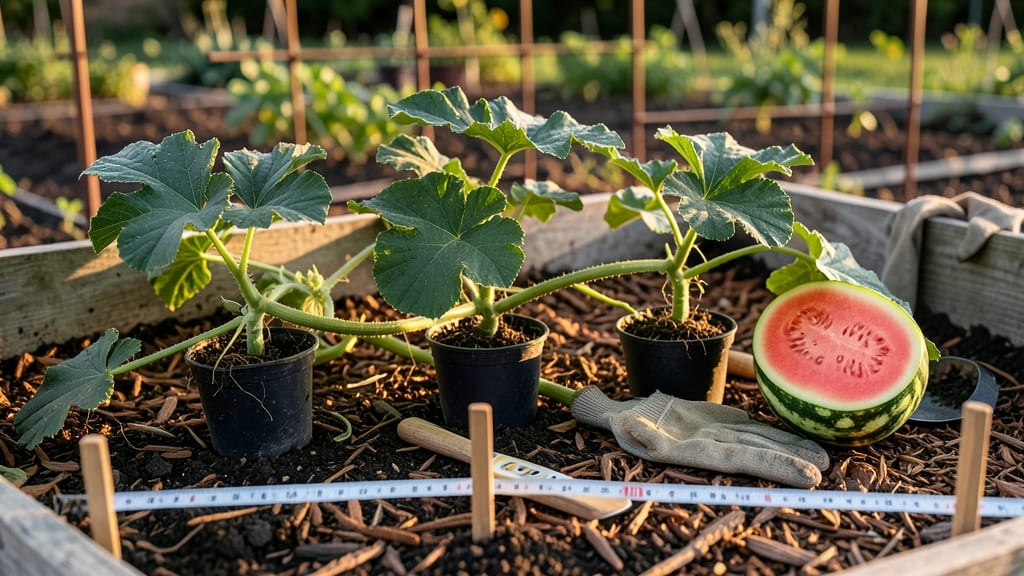
Spacing your Sugar Baby watermelon vines correctly is the key to bigger fruit, healthier plants, and a bumper harvest—don’t let overcrowding ruin your summer 🍉.
Picture this: you’ve planted your Sugar Baby watermelons, but by midsummer, the vines are tangled, the fruit is small and bitter, and you’re wondering where it all went wrong. The answer? Spacing. Too close, and you’re fighting for sunlight, airflow, and nutrients.
Too far apart, and you waste precious garden space. Getting it right means the difference between a handful of sweet, ripe melons and a struggle with stunted growth.
In this guide, I’ll break down the exact spacing your Sugar Baby watermelons need—whether you’re planting in rows, hills, or even trellising them vertically.
We’ll cover how much room those sprawling vines truly demand, why airflow matters more than you think, and how to adjust spacing for raised beds or small gardens. No more guessing, just proven inches for a harvest you’ll actually enjoy.
You’ll also learn how to spot (and fix) common spacing mistakes, like powdery mildew from poor airflow or bitter-tasting fruit from overcrowding.
Plus, I’ll share tips for companion planting and trellising to make the most of your space—because even a small garden can grow plenty of Sugar Baby watermelons if you do it right.
Optimal Sugar Baby watermelon spacing by planting method (row, hill, OR trellis)
Getting the Sugar Baby watermelon spacing right makes all the difference between stunted vines and bountiful harvests. These compact melons need room to spread their 6-10 foot vines while still receiving full sun exposure and proper airflow.
The wrong spacing leads to powdery mildew, poor fruit set, and bitter-tasting melons—so let’s get this right from the start.
Your planting method—whether rows, hills, or trellises—dictates the exact spacing you’ll need. Ground planting (rows or hills) requires more space for sprawling vines, while vertical trellising saves space but needs sturdy support. Each method has its own expert-recommended measurements to maximize yield without overcrowding.
| Planting Method | Spacing Between Plants | Spacing Between Rows/Hills | Vine Length | Notes |
|---|---|---|---|---|
| Row Planting | 36–48 inches | 5–6 feet | 6–10 feet | Best for large gardens; allows easy access for weeding. |
| Hill Planting | 24–36 inches | 4–5 feet | 6–10 feet | Saves space; ideal for small plots or raised beds. |
| Trellis (Vertical) | 12–18 inches | N/A (vertical) | 6–10 feet (trained upward) | Saves 70%+ space; requires sturdy trellis and pruning. |
| Container/Ground | 1 plant per 5-gallon container | N/A | 3–5 feet (pruned) | Use large containers with drainage; limit to 1–2 vines. |
For row planting, the 36–48 inch spacing between plants gives vines enough room to sprawl without competing for nutrients. Space rows 5–6 feet apart to ensure full sun penetration to the center of the bed.
This method is ideal for large gardens where you can dedicate ample space to watermelon’s sprawling habit.
If you’re working with a small plot or raised bed, hill planting is your best bet. Plant seeds 24–36 inches apart in mounds of soil, spacing hills 4–5 feet apart.
The elevated soil warms faster in spring, giving your Sugar Baby watermelons a head start. Plus, hills improve drainage, reducing rot risks for fruit touching the ground.
For urban gardeners or those with limited space, trellising is a game-changer. Train vines vertically with a 12–18 inch spacing between plants, saving up to 70% of ground space. Use a sturdy trellis (at least 6 feet tall) and prune side shoots to direct energy upward.
This method also reduces pest access like squash bugs, which crawl along the ground.
No matter your method, soil temperature and moisture consistency are critical. Sugar Baby watermelons thrive in 70°F+ soil, so wait until late spring to plant. Water deeply every 3–5 days, aiming for 1–2 inches of moisture per week.
Overcrowding stresses plants, leading to smaller fruit and bitter flavors, so stick to these spacing guidelines.
Pro tip: If you’re growing multiple varieties, isolate Sugar Baby watermelons from larger types like Charleston Gray. Their vines compete aggressively for space, and cross-pollination can affect sweetness. Keep a 2-foot buffer around the perimeter of your Sugar Baby patch for best results.
Finally, mulch heavily around plants to retain moisture and suppress weeds. Use straw or black plastic mulch to keep fruit clean and prevent soil-borne diseases. With the right spacing, your Sugar Baby watermelons will thrive, producing sweet, 4–8 pound melons with minimal effort.
How spacing affects Sugar Baby watermelon growth (and how to fix common mistakes)
If your Sugar Baby watermelons are producing bitter fruit or struggling with powdery mildew, the issue might start with spacing. These compact vines need room to breathe—literally. Poor airflow leads to fungal diseases, while overcrowding steals sunlight and nutrients from developing fruit.
I’ve seen gardens where melons barely ripen because vines were packed too tightly, leaving them stressed and stunted.
Proper spacing isn’t just about fitting more plants—it’s about creating an environment where vines can thrive. Sugar Baby watermelons have 6-10 foot vines that spread aggressively, but their fruit needs space to grow heavy without competing for resources.
Even in raised beds or container gardens, cramped conditions force plants to fight for sunlight, leading to smaller, less sweet melons.
⚠️ callout warning
- Too close (under 3 feet): Leads to powdery mildew and poor fruit set from poor airflow.
- Overcrowded rows: Vines compete for sunlight and nutrients, shrinking melon size.
- Ignoring vine spread: Sugar Baby’s 6-10 ft vines need 6+ feet between plants in rows.
Fix it: Thin seedlings early, use trellises for vertical growth, or space in raised beds with 3-4 ft between plants.
For ground planting, aim for 4-6 feet between vines in rows spaced 6-8 feet apart. This gives roots room to spread while keeping leaves off the damp soil, reducing fungal risks.
In raised beds, you can cut spacing to 3-4 feet since beds dry faster and improve drainage. Just ensure the bed is at least 12 inches deep to accommodate those sprawling roots.
If you’re growing in containers, choose large pots (at least 15 gallons) and plant one vine per container. Sugar Baby watermelons are small-fruited but still need space—crowding in pots leads to root-bound stress and bitter-tasting melons.
Add compost to the soil mix to compensate for limited root space and water deeply every 2-3 days during hot weather.
Companion planting can also help maximize space. Pair Sugar Baby watermelons with radishes or lettuce in the early season—they grow quickly and shade out weeds without competing for resources.
Later, add marigolds around the perimeter to deter pests like cucumber beetles. Avoid planting near potatoes or squash, which attract the same pests and spread diseases.
When fixing spacing issues, act fast. If you’ve already planted too closely, thin seedlings to the strongest 2-3 plants per hill and prune excess vines to redirect energy to fruit. Mulch heavily with straw or grass clippings to keep leaves off the soil and improve airflow.
With the right spacing, your Sugar Baby watermelons will reward you with sweeter, larger fruit and fewer garden headaches.