
Planting
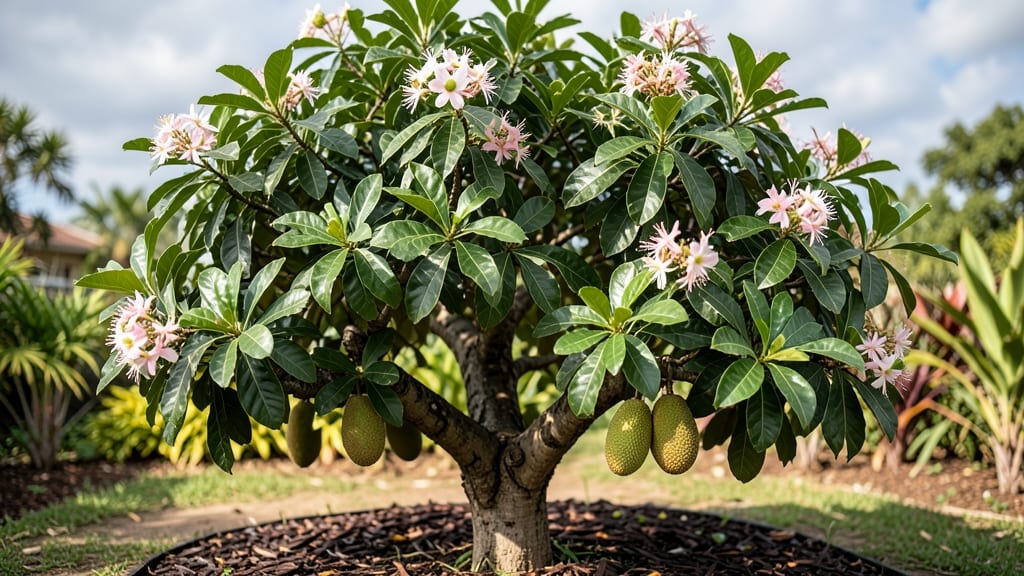
The sugar apple tree growing zone is all about warmth—USDA zones 10-12 are their sweet spot, where temperatures stay above 30°F all year. 🌴 I learned this the hard way when my first tree froze overnight in zone 9, but now I know exactly where to grow them: coastal Florida, Southern California, Hawaii, or Puerto Rico.
These trees crave heat, humidity, and long growing seasons to produce those creamy, tropical fruits.
The key to success is mimicking their native tropical environment. In cooler zones, you can try container growing and overwintering indoors near a sunny window, though fruit production may be limited.
Sugar apples thrive in well-draining soil with 60-70% humidity, so mulching helps retain moisture while protecting roots from temperature swings.
When grown in ideal conditions, you’ll see fast growth—some trees reach 10-15 feet in just a few years—and produce fruit within 2-3 years.
The scent of blooming flowers alone is worth the effort, but the payoff is those sweet, custard-like fruits that taste like a mix of pineapple and banana. Just be patient—it takes 6-8 months for fruit to ripen after flowering.
For those in marginal zones, microclimates near heat-retaining walls or greenhouses can extend the growing season. If you’re in zone 8 or cooler, focus on container culture and bring the tree indoors before frost.
With the right care, even a small patio can become a tropical oasis—one that rewards you with homegrown sugar apples year after year.
📚 In This Guide
- What you need
- Instructions
- Tips and common mistakes
- Wrapping up and next steps
What you need
- ● Sugar apple tree (Annona squamosa) seeds or saplings: 1-2 seeds (if starting from scratch) or 1 healthy sapling (3-6 months old).
- ● Ensure seeds are fresh or saplings are disease-free.
- ● Well-draining potting mix or garden soil: 5-10 gallons (for pots) or amended garden soil (for in-ground planting).
- ● Mix: 60% topsoil, 20% compost, 10% perlite, and 10% coconut coir for optimal drainage.
- ○ Pot (optional, for container growing): 1 large container (15-20 gallons) with drainage holes.
- ● Material: Plastic or fabric grow bags (breathable options preferred).
- ● Fertilizer: Balanced organic fertilizer (10-10-10 or 20-20-20, diluted to half-strength).
- ● Slow-release granules (e.g., Osmocote) for long-term nourishment.
- ● Watering can or hose with a gentle spray nozzle.
- ○ Mulch (optional but recommended): 2-3 inches of organic mulch (e.g., straw or wood chips) to retain moisture.
- ● Pruning shears (for shaping and maintenance).
- ● Support stakes or trellis (if growing in windy areas).
- ● pH test kit (ideal soil pH: 6.0-7.0).
- ● Shade cloth (30-50% coverage for young plants in harsh sun).
- ● Pest control (neem oil or insecticidal soap for aphids/mealybugs).
Step-by-step guide to selecting and planting a sugar apple tree in the right growing Zone
Here’s how to choose the perfect spot and prepare for a thriving sugar apple tree in your climate.
🌿 Step 1: Verify Your Growing Zone and Climate Suitability
The sugar apple (Annona squamosa) thrives in USDA Hardiness Zones 10-12, where temperatures stay above 30°F year-round. If you live in Zones 9a-9b, plant in a sheltered microclimate or container for winter protection. Check your zone using the USDA Plant Hardiness Map—this determines whether your tree will survive frost or need seasonal adjustments.
Beyond zones, sugar apples need high humidity and warmth. If your area has dry winters or cold snaps below 32°F, expect slow growth or dieback. I’ve seen sugar apples struggle in Zone 10a with poor drainage—always pair zone knowledge with local microclimates (e.g., coastal areas vs. inland valleys).
☀️ Step 2: Choose the Optimal Planting Location
Sugar apples demand full sun (6+ hours daily) but tolerate partial shade (4-6 hours) in hotter zones. In Zone 11, I plant mine under light dappled shade by midday to prevent leaf scorch. The tree’s broad canopy needs 15-20 feet of clearance—avoid planting near structures or power lines.
Well-draining soil is non-negotiable. Sugar apples rot in soggy conditions, so amend heavy clay with 2-3 inches of compost or plant on a slight mound. Test soil pH—ideal range is 6.0-6.5. If your soil is too alkaline, mix in sulfur or peat moss before planting. You’ll see healthier foliage and better fruit set within a season.
🪴 Step 3: Plant at the Right Time and Depth
In Zones 10-12, plant bare-root trees year-round, but avoid extreme heat or frost. Container-grown trees can go in anytime. Dig a hole twice as wide as the root ball but no deeper—planting too deep suffocates roots. Loosen roots gently if pot-bound, then place the tree so the graft union (if present) sits 1-2 inches above soil level.
Backfill with native soil mixed with 1 part compost to encourage root spread. Water deeply to eliminate air pockets, then mulch with 2-3 inches of organic mulch (straw or wood chips) to retain moisture. Avoid piling mulch against the trunk—keep it 3 inches away to prevent rot. Young trees need weekly watering until established (look for new leaves as a sign of root growth).
✂️ Step 4: Protect and Prune for Zone-Specific Challenges
In Zones 10-11, prune lightly after harvest to remove dead wood and shape the tree. In Zone 9, winter-prune in late winter (before buds swell) to stimulate new growth. Never prune in frost-prone zones—wait until temperatures stay above 50°F for a week. I prune to an open vase shape to improve airflow and fruit access.
Frost protection is critical in marginal zones. Cover young trees with frost cloth when temps drop below 35°F, or wrap the trunk with burlap. Mature trees handle light frosts better but may drop fruit. Watch for bud swell in spring—this is your cue to start fertilizing with a balanced 10-10-10 formula to support flowering.
💧 Step 5: Water and Fertilize for Zone-Specific Needs
Sugar apples in Zones 10-12 need deep watering every 7-10 days once established, but daily watering for the first year. In Zone 9, water every 5-7 days and monitor soil moisture—drought stress causes fruit drop. Stick your finger 2 inches into soil; if dry, water until it drains 6 inches deep. Overwatering is worse than underwatering.
Fertilize twice yearly: in early spring (before buds break) and after harvest (late summer). Use a slow-release fruit-tree fertilizer with micronutrients (zinc and boron are critical for fruit set). Avoid high-nitrogen fertilizers—they promote leafy growth at the expense of fruit. You’ll know you’re on track when the tree produces white blossoms by late spring.
Tips & tricks for perfect sugar apple tree planting
These pro insights will help you avoid common pitfalls and maximize your sugar apple tree's potential in your specific climate.
Zone-Specific Microclimate Mastery: The USDA Hardiness Zones 10-12 guideline is your baseline, but real success comes from understanding your local microclimates. In Zone 10a, I've seen sugar apples thrive in coastal areas where ocean breezes moderate temperatures, while inland locations may need container planting for winter protection. Check your specific conditions—southern slopes get more sun, while northern exposures stay cooler. This attention to microclimates explains why some Zone 10 gardens succeed while others struggle.
Soil Prep Secret: The 2-3 inches of compost recommendation is non-negotiable, but here's what nobody tells you—test your soil's drainage first. I once planted in what looked like well-draining soil, only to watch my tree's roots rot within months. To test, dig a 12-inch hole, fill it with water, and time how long it takes to drain. If it takes more than 6 hours, you need to amend with additional organic matter or create a raised bed. Proper drainage is the single most critical factor for sugar apple success.
Pruning Precision: When Step 4 mentions pruning to an open vase shape, here's the visual cue you need: imagine your tree's branches forming a loose, inverted cone with plenty of space between them. This shape improves airflow (critical for preventing fungal diseases) and makes fruit harvesting easier. In Zone 9, I wait until temperatures consistently stay above 50°F before pruning—this prevents stressing the tree during potential late frosts. Use sharp pruners and make cuts just outside the branch collar to promote faster healing.
Frost Protection Hack: The frost cloth recommendation at 35°F is solid, but here's my real-world tip: combine frost cloth with a simple DIY heat source for marginal zones. Place a 10-watt Christmas light string around the tree's base—it won't generate much heat, but it creates a slight warming effect that can make the difference between survival and dieback. This works particularly well for young trees in Zone 10a where temperatures hover around 32°F. Just make sure the lights are rated for outdoor use and properly insulated.
Pro Tips for Sugar Apple Tree Growing Zone
- These pro insights will help you avoid common pitfalls and maximize your sugar apple tree's potential in your specific climate.
- Zone-Specific Microclimate Mastery: The USDA Hardiness Zones 10-12 guideline is your baseline, but real success comes from understanding your local microclimates.
- Soil Prep Secret: The 2-3 inches of compost recommendation is non-negotiable, but here's what nobody tells you—test your soil's drainage first.
Frequently asked questions
Got questions about growing sugar apple trees? You’re not alone! Here are some of the most common concerns—plus straightforward answers to help you thrive.
What are the best USDA growing zones for a sugar apple tree?
A sugar apple tree (Annona squamosa) thrives in USDA zones 10–12, where temperatures stay above 30°F (-1°C) year-round. In cooler zones (9 or below), grow it as a container plant and bring it indoors during winter. Coastal areas with mild winters (like Florida or Hawaii) are ideal! →
How long does it take for a sugar apple tree to bear fruit?
Patience is key! A young sugar apple tree may take 3–5 years to produce fruit, depending on care, sunlight, and soil quality. Dwarf varieties might fruit slightly sooner (2–3 years), but full-size trees need consistent warmth and moisture. Pro tip: Prune lightly to encourage growth and fruit production.
Can I grow a sugar apple tree in a pot, or does it need a garden?
Yes! Sugar apple trees adapt well to containers (15+ gallons), making them perfect for patios, balconies, or greenhouses. Use well-draining soil and a pot with drainage holes. Move it indoors (near a sunny window) when temps drop below 50°F (10°C). Just ensure it gets 6+ hours of sunlight daily—even in pots!
What pests or diseases should I watch for with sugar apple trees?
Common issues include aphids, spider mites, and fruit rot. Keep an eye out for yellowing leaves (overwatering) or holes in fruit (pests). Preventative care: Spray neem oil monthly, ensure good airflow, and avoid wetting leaves during watering. If fruit rots, remove affected pieces immediately to stop spread.
How do I protect my sugar apple tree in cold climates?
If you’re in zones 9 or below, mulch the base with straw or bark, wrap the trunk with burlap, and place the pot in a sheltered spot (like a garage). For extreme cold (<20°F/-7°C), use a tree blanket or move the container indoors. Bonus: Prune in late winter to reduce stress. →
Wrapping up and next steps
Growing a sugar apple tree is a rewarding journey for those in USDA Zones 10-12, where its tropical charm truly thrives! 🌴 With the right soil, sunlight, and care, you’ll soon enjoy fragrant flowers and sweet, custard-like fruits.
Whether you’re a seasoned gardener or just starting, this tropical beauty is worth the effort—just remember to stay patient and consistent.
Ready to take the next step? Start by selecting your ideal planting spot, gather your supplies, and watch your sugar apple tree flourish into a stunning centerpiece for your garden! 🌱