
Planting
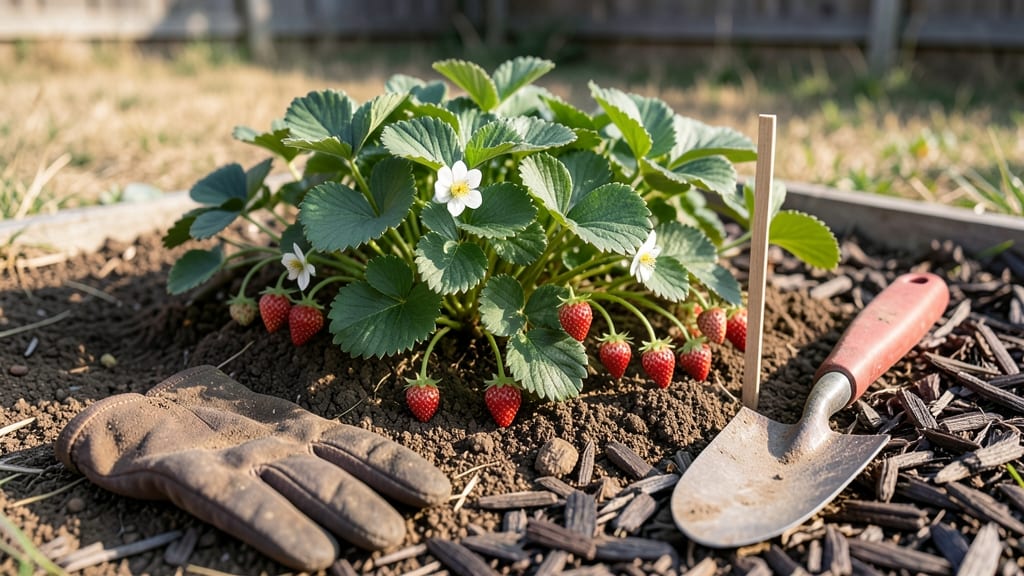
The best strawberry sowing time depends on your climate zone — aim for early spring in Zone 6a (March–April) to avoid frost damage and ensure a June–July harvest.
Timing your strawberry sowing perfectly can mean the difference between a bountiful harvest and a wasted season—especially when climate zones dictate when to plant for optimal growth.
In cooler regions like Zone 6a, planting too early risks frost damage, while late sowing delays fruit production. Meanwhile, warmer zones can extend the window into late summer for fall harvests.
Below, I’ll break down the ideal planting windows by zone, share pro tips for seed vs. runner starts, and reveal the one mistake that kills strawberry yields before they begin.
Best strawberry sowing time by USDA climate zones
Getting your strawberry sowing time right is everything—miss the window, and you risk frost damage or stunted growth. Since USDA zones 3 through 10 experience wildly different climates, I’ll break down the ideal planting windows for each, including early spring vs. late summer strategies.
Microclimates matter too, so I’ll share adjustments for coastal areas or high-altitude gardens.
Most gardeners focus on spring planting (March–May), but everbearing and day-neutral varieties can also thrive with late summer sowing (July–August). The key? Avoiding late frosts in cooler zones and intense summer heat in warmer zones.
Let’s dive into the zone-by-zone breakdown to ensure your strawberries get off to the best start.
Pro Tip: For zones 3–6, prioritize cold-hardy varieties like 'Honeoye' or 'Jewel'. In zones 7–10, opt for heat-tolerant types such as 'Seascape' or 'Chandler'. Your choice impacts both sowing timing and harvest success.
In USDA zones 3–4, where winters are harsh, spring planting is your only option. Aim for late April after the last frost date—check your local frost-free days to time it perfectly.
For zones 5–6, you can experiment with late summer sowing for everbearing varieties, but only if you’re in a region with a long enough growing season.
Zones 7–8 offer the most flexibility. Coastal areas (like San Francisco) can plant as early as February, while inland regions should wait until March to avoid late frosts.
For late summer sowing, August is ideal—just ensure your strawberries get consistent moisture as they establish roots before winter.
If you’re in zones 9–10, think outside the box. Many gardeners here plant in fall (October–November) or even winter (January–February) to take advantage of cooler temperatures and avoid summer heat stress. Late summer sowing in September works too, but prioritize shade during peak afternoon sun.
Regional Tip: In high-altitude gardens (e.g., Colorado Springs), delay planting by 2–3 weeks compared to sea level. Similarly, coastal areas with mild winters (like Portland, OR) can plant earlier than inland zones at the same latitude.
One common mistake? Planting too early in cold climates or too late in hot zones. For example, in zone 5, planting before May 1 risks frost damage, while in zone 9, sowing after September 15 may lead to poor root establishment before winter.
How to extend strawberry growing season in cold climates
Cold climates in USDA zones 3-6 can make strawberry growing seem impossible, but with the right techniques, you can enjoy year-round harvests. The key is protecting your plants from freezing temperatures while still allowing them to thrive.
I’ve successfully extended my June-bearing strawberries into late fall and even early spring using these proven methods.
One of my favorite strategies is using cold frames, which create a microclimate that’s 5-10°F warmer than the surrounding air. This simple structure can keep your strawberries growing well into November or even through winter months in milder microclimates.
Pair this with row covers, and you’ll see dramatic results in both yield and plant health.
- 🌱 Cold Frames: Build or buy a low, sloped structure to trap heat. Use clear plastic or glass panels for maximum warmth. Ideal for fall and early spring protection.
- 🌿 Row Covers: Lightweight fabric covers (like frost cloth) raise soil temps by 3-5°F. Secure edges with bricks or soil to prevent wind damage.
- 🪴 Mulching: Apply 6-8 inches of straw or leaves around plants in late fall to insulate roots. Remove in early spring to prevent rot.
- ❄️ Winter Protection: For extreme cold (-10°F), mound soil or mulch 12 inches high around plants. Add a burlap wrap for extra insulation.
- ☀️ Season Extenders: Use low tunnels (hoop houses) covered with plastic to create a greenhouse effect. Perfect for late winter harvests.
Another game-changer is mulching—not just any mulch, but straw or shredded leaves. This creates an insulating blanket that protects roots from freeze-thaw cycles, which can damage strawberry plants. I’ve seen everbearing varieties produce fruit well into December when properly mulched and covered.
Don’t overlook the power of planting timing. In cold climates, I recommend planting June-bearing strawberries in late summer (August) instead of spring. This gives roots time to establish before winter, and the plants enter dormancy stronger. For everbearing varieties, a spring and fall planting schedule works best.
For the most hardy varieties, consider Alpine strawberries or Arctic varieties, which tolerate sub-zero temperatures. These can survive winters with minimal protection, making them ideal for zone 3-4 gardens. Pair them with rock mulch for extra insulation.
Finally, monitor your plants closely during transitional seasons (spring and fall). Remove covers on warm days to prevent overheating, and always ensure proper air circulation to avoid fungal diseases. With these techniques, you’ll enjoy fresh strawberries for months longer than traditional growing seasons allow. 🍓