
Planting
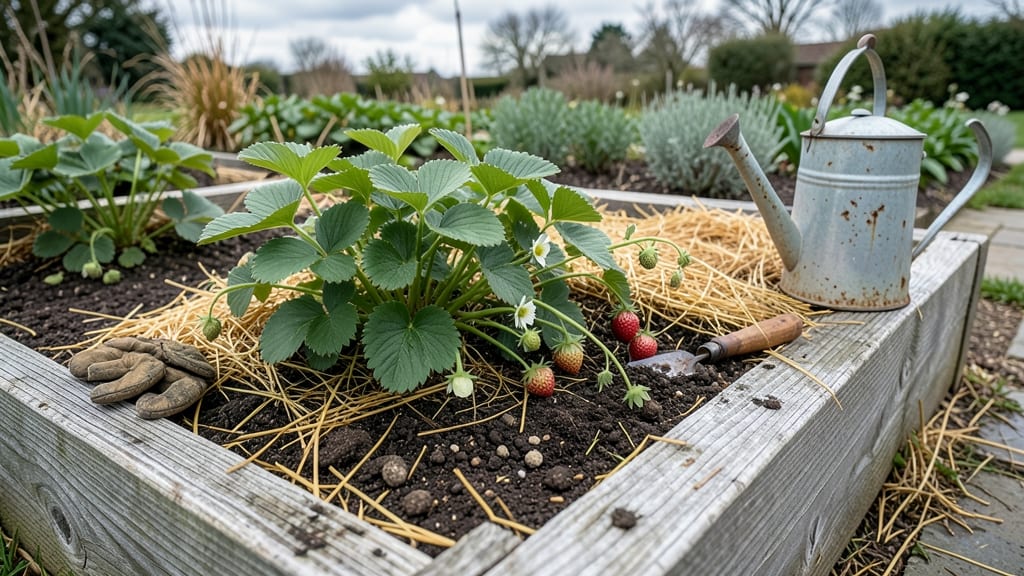
Planting strawberries in March sets you up for a June harvest — but only if you pick the right varieties and prep the soil just right.
Picture this: your first homegrown 🍓 in early summer, sweet and ripe, while neighbors still wait. The key? Choosing cold-hardy types like 'Alpine' or 'June-bearing' that survive light frosts, and timing your transplant just after the last frost date in your zone.
March planting works best in USDA Zone 6a and warmer, where soil thaws but nights stay chilly. In colder areas, start with potted plants under cloches or row covers to shield them from late freezes.
I’ll walk you through the exact steps — from soil prep to frost protection — so your berries thrive even when Mother Nature throws curveballs.
Ready to beat the heat and harvest early? You’ll learn which strawberries ripen fastest, how to mulch for warmth, and the one trick that keeps pests away without chemicals. Let’s get those plants in the ground!
Best cold-hardy strawberry varieties for March planting
March might seem too early for strawberries, but with the right cold-hardy varieties, you can enjoy early harvests as soon as June. These frost-tolerant types thrive in USDA Zones 3-8, making them perfect for gardeners in cooler climates.
Whether you prefer sweet alpine strawberries or prolific June-bearers, there's a variety that fits your needs—and your taste buds!
Cold-hardy strawberries aren't just about survival—they also deliver exceptional flavor and extended harvest windows. Some varieties, like 'Quinault', produce berries over multiple seasons, while others, such as 'Mignonette', offer heirloom-quality sweetness even in chilly conditions. Let’s dive into the best options for your March planting schedule.
Why March? Planting in March gives your strawberries a head start before summer heat arrives. Many June-bearing varieties benefit from cooler spring soil, which encourages strong root development. Plus, everbearing and alpine types can produce fruit even in early summer, giving you a longer harvest season.
If you're in USDA Zone 3 or 4, focus on Alpine strawberries like 'Mignonette', which can handle light frosts down to 10°F. These tiny powerhouses produce tiny but intensely sweet berries perfect for gourmet salads or preserves.
They’re also ideal for container gardening, making them great for patios or balconies.
June-bearing varieties like 'Jewel' or 'Quinault' are workhorses for early harvests. Plant them in well-draining soil with full sun exposure to maximize their large, flavorful berries. These varieties produce one massive crop in June-July, so plan accordingly if you want year-round strawberries.
For extended harvests, consider everbearing types like 'Ozark Beauty'. These produce two crops per year: one in early summer and another in fall.
They’re slightly less cold-hardy but thrive in USDA Zones 5-8. Pair them with day-neutral varieties like 'Seascape' for continuous berries from June to September.
Don’t overlook heirloom varieties like 'Quinault', which offer old-fashioned charm and rich flavor. While they may not produce as heavily as modern hybrids, their unique taste makes them worth growing. These are perfect for small-scale gardeners or those who love preserving heirloom seeds.
When selecting varieties, consider your local climate and garden space. Alpine strawberries are best for small gardens or containers, while June-bearing types need more room for optimal fruit production. Everbearing and day-neutral varieties are versatile and work well in both in-ground beds and raised planters.
Pro tip: Mix two or three varieties to stagger your harvest. For example, plant 'Mignon
March planting guide: when, where, and how to maximize early harvests
March is the perfect time to plant cold-hardy strawberries for an early harvest, but timing and technique make all the difference. The key is understanding your last frost date and preparing the soil to give your plants a head start.
In most regions, soil temperatures should reach at least 40°F (4°C) before planting—check your local USDA zone for precise guidance.
I’ve learned that south-facing slopes or raised beds warm up faster in spring, creating ideal microclimates for early planting. If your garden still feels chilly, consider using cold frames or low tunnels to extend the season.
These simple structures can add 5-10°F (3-6°C) of warmth, helping your strawberries establish roots before summer heat arrives.
- 1 Check soil temps: Use a soil thermometer to confirm 40°F (4°C) minimum. Plant when temps stay above 50°F (10°C) at night.
- 2 Prepare soil organically: Mix in 2-3 inches of compost and 1 inch of aged manure to improve drainage. Strawberries hate soggy roots!
- 3 Choose planting method: Bare-root plants (cheaper) need immediate watering, while potted transplants (pricier) handle transplant shock better in cold soil.
- 4 Space for airflow: Plant 12-18 inches apart in rows 24 inches apart. Crowding invites fungus diseases like gray mold.
- 5 Mulch immediately: Apply 2-3 inches of straw to retain moisture and suppress weeds. Avoid plastic mulch—it traps too much heat.
For bare-root strawberries, soak the roots in lukewarm water for 1-2 hours before planting to revive dormant roots. If you’re using potted transplants, gently loosen the roots to encourage outward growth.
I’ve found that everbearing varieties like 'Seascape' produce fruit faster than June-bearing types, so they’re ideal for March planting.
After planting, water deeply to settle the soil and remove any air pockets around the roots. Drip irrigation is my go-to method—it delivers water directly to the root zone without wetting the leaves, reducing disease risk.
For the first 2-3 weeks, keep the soil consistently moist but never waterlogged, as strawberries are sensitive to root rot.
Pro tip: If late frosts are still a concern in your area, cover newly planted strawberries with frost blankets or row covers at night. These lightweight fabrics trap heat without smothering the plants.
With the right preparation, your March-planted strawberries could yield first berries by June—just in time for summer picnics!