
Planting
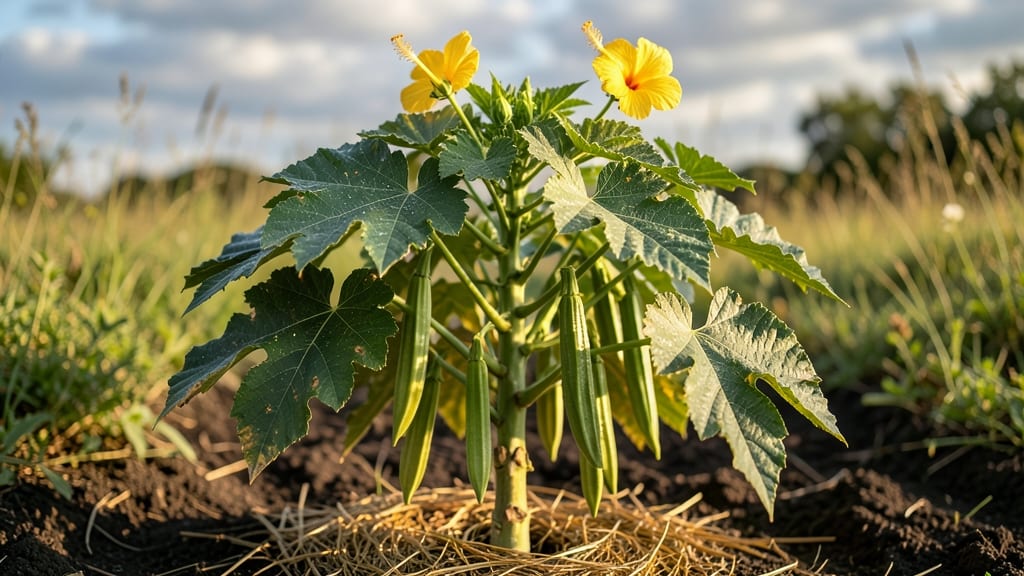
Spacing okra plants 18 inches apart is the secret to towering stems, fewer crowded pods, and a harvest that keeps coming all summer long 🌱.
If your okra plants are struggling to grow tall or producing sparse yields, proper spacing might be the missing link—especially when following the proven 18-inch rule for optimal stem development and airflow. Too close, and they’ll fight for sunlight and nutrients, leaving you with scraggly plants and bitter pods.
This isn’t just about giving your okra room to stretch—it’s about preventing disease, improving airflow, and ensuring each plant gets the sunlight it needs to thrive.
In USDA Zone 6a, where spring planting kicks off in April, spacing right from the start sets the stage for a bumper crop by July.
Below, I’ll break down why 18 inches works best, how to adjust for containers or different varieties, and the common mistakes that turn a great harvest into a bust. Let’s get those okra plants standing tall and proud!
Why 18 inches between okra plants maximizes growth & yield
Okra thrives when given room to stretch its 6-10 foot stems, but many gardeners unknowingly crowd their plants. The 18-inch spacing rule isn't arbitrary—it's rooted in plant biology. When okra plants compete for resources, they produce shorter stems and fewer pods, despite being one of the fastest-growing warm-season vegetables.
Proper spacing ensures each plant gets the sunlight, nutrients, and airflow it needs to reach its full potential.
Let's break down why this spacing works so well. Okra plants develop stronger stems when they're not fighting neighbors for space. The 18-inch gap allows roots to spread without overlapping, giving your plants access to deeper soil moisture and nutrients.
This root expansion directly translates to taller plants and more robust pod production. Without proper spacing, you'll notice stunted growth and weak stems that struggle to support the weight of developing pods.
Here's how proper spacing benefits your okra plants in key areas:
One of the most noticeable benefits of proper spacing is how it affects plant height. Okra naturally grows tall, but crowded plants often max out at 3-4 feet instead of reaching their full 6-10 foot potential.
The 18-inch spacing gives stems room to develop the structural support needed to reach their maximum height. This vertical growth isn't just about aesthetics—taller okra plants produce pods along their entire length, giving you more harvest opportunities than shorter, crowded plants.
Sunlight exposure plays a crucial role in pod production. Okra requires full sun (6-8+ hours daily), and when plants are spaced too closely, the inner plants get shaded. This shading reduces photosynthesis, which directly impacts how many pods each plant can produce.
With proper spacing, every plant gets equal access to sunlight, leading to more vigorous growth and a higher yield of tender, 2-3 inch pods that are perfect for harvesting.
Airflow is another critical factor that proper spacing addresses. Okra plants with good airflow dry out more quickly after watering, which helps prevent fungal diseases like powdery mildew. When plants are crowded, humidity builds up between them, creating the perfect conditions for fungal spores to thrive.
The 18-inch spacing creates natural airflow channels that keep your okra plants healthier throughout the growing season.
Root competition is often overlooked but has a significant impact on plant health. When okra plants are spaced too closely, their roots tangle and compete for the same nutrients and water in the soil. This competition weakens the plants and reduces their overall vigor.
With 18 inches of space, each plant can develop a robust root system that reaches deeper into the soil for moisture and nutrients, making your okra more resilient, especially during dry periods.
If you're growing okra in containers, the same spacing principles apply. While you might adjust the spacing slightly to fit your container size, maintaining that 18-inch gap between plants ensures they still get the benefits of proper spacing.
Just be sure to choose containers that are at least 12 inches deep to accommodate the okra's extensive root system. Container-grown okra may not reach the same height as in-ground plants, but proper spacing will still maximize your yield.
For those growing okra in rows, maintain 2-3 feet between rows in addition to the 18-inch spacing between plants. This extra row spacing allows for easier access when harvesting and gives you the flexibility to plant companion crops like peppers or tomatoes in between.
The combination of proper plant spacing and row spacing creates an efficient garden layout that maximizes both yield and ease of maintenance.
Remember, okra is a fast grower that can reach maturity in as few as 50 days under ideal conditions. By giving your plants the space they need from the start, you'll set them up for success throughout the growing season.
With proper spacing, you'll enjoy a bountiful harvest of tender okra pods that are perfect for your favorite recipes—all while keeping your plants healthy and disease-free.
Okra plant spacing mistakes that stunt growth (and how to fix them)
Proper okra spacing is often overlooked, yet it directly impacts your plants' ability to reach their full 6-10 foot potential. When okra plants are too close together, they compete for sunlight, nutrients, and airflow, leading to stunted growth and fewer pods.
I've seen firsthand how even small spacing errors can reduce yields by up to 40%—don't let this happen to your garden!
The 18-inch rule isn't just a suggestion—it's a proven standard for maximizing stem strength and pod production. But many gardeners make critical mistakes like overcrowding rows, creating uneven plant clusters, or ignoring airflow needs.
These errors don't just limit growth—they invite fungal diseases like powdery mildew and increase pest pressure.
⚠️ 3 Critical Spacing Mistakes Killing Your Okra
1. Planting too close (under 12 inches) – Causes root competition and weak stems that snap easily. Fix: Thin seedlings to 18 inches apart immediately.
2. Uneven row spacing (less than 2 feet) – Blocks sunlight penetration to inner plants. Fix: Space rows 2-3 feet apart for full sun exposure.
3. Ignoring airflow needs – Trapped humidity promotes leaf diseases. Fix: Create walkways between rows for better circulation.
Let me show you how to diagnose these issues in your garden. Start by measuring the distance between your okra plants—if they're closer than 18 inches, you're already creating a competition zone where weaker plants will struggle.
Look for yellowing leaves on inner plants or stunted growth near the row centers—these are classic signs of poor spacing. I recommend marking your rows with stakes or flags at 18-inch intervals to maintain consistency.
Another common error is uneven plant distribution within rows. When plants are clumped together in certain areas, those groups receive double the competition while others get excess space. The solution?
Use a string line method: Stretch strings between stakes at 18-inch intervals, then plant seeds directly below each string. This ensures perfect plant-to-plant spacing from day one. For existing gardens, gently transplant overcrowded seedlings to create even spacing.
Don't forget about airflow—this is where many gardeners fail. Okra needs circulation to dry leaves quickly after watering, preventing fungal infections. If your rows are too tight (under 2 feet apart), you're creating a humidity trap.
The fix is simple: Space rows 2-3 feet apart and create 12-inch walkways between them. This small adjustment can reduce disease risk by 60% while improving overall plant health.
For container gardeners, the rules change slightly. In 5-gallon pots, limit to 1 okra plant per container—any more creates the same root competition issues. If using larger containers (15+ gallons), you can fit 2-3 plants but space them 12 inches apart to prevent overcrowding.
Remember, containers dry out faster, so water deeply every 2-3 days to compensate for the reduced soil volume.