
Planting
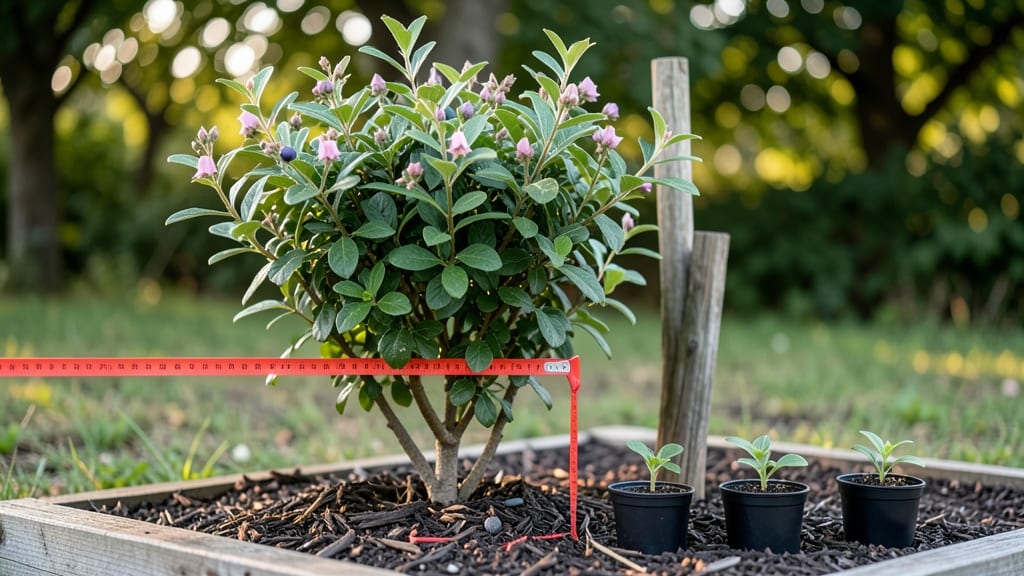
Blueberry plants need 3 to 6 feet of space between each bush to thrive, depending on the variety and growing conditions.
If you’ve ever watched your 🫐 blueberry bushes struggle with poor airflow or weak berries, you’re not alone. Many gardeners underestimate how much room these shrubs need to grow strong and productive.
Proper spacing isn’t just about fitting more plants into your garden—it’s the key to preventing disease, improving yield, and keeping your bushes healthy for years. Crowded plants compete for nutrients, leading to smaller berries and increased susceptibility to fungal issues.
In this guide, I’ll break down the best spacing for different blueberry varieties, how to adjust for soil and climate, and pruning tricks to maintain airflow as your bushes grow.
Optimal spacing between blueberry plants by variety & growing conditions
Blueberries thrive when given the right amount of space to spread their roots and branches. Proper spacing isn’t just about aesthetics—it directly impacts yield, airflow, and disease resistance. Overcrowded bushes compete for nutrients, leading to smaller berries and increased fungal risks like powdery mildew.
Meanwhile, too much space wastes garden real estate without adding benefits. Let’s break down the ideal distances for each blueberry variety and growing condition.
First, consider your climate zone. Northern highbush varieties (like Bluecrop) need more space in colder regions, while southern highbush (like Southern Highbush) or rabbiteye (like Climax) can handle tighter spacing in warmer areas.
Soil type also plays a role—sandy soils dry out faster, so plants may need slightly more room for root expansion. Always adjust for your specific growing conditions.
Here’s a quick reference for standard spacing needs:
| Variety | Standard Spacing (In-Ground) | Raised Bed Spacing | Container Spacing | Key Notes |
|---|---|---|---|---|
| Northern Highbush (e.g., Bluecrop, Jersey) | 4–6 feet apart | 3–4 feet apart | 1 plant per 15-gallon container | Taller varieties; needs airflow for large canopies |
| Southern Highbush (e.g., Sharpblue, Legacy) | 3–5 feet apart | 2.5–3 feet apart | 1 plant per 10-gallon container | Compact growth; ideal for warmer climates |
| RabbitEye (e.g., Climax, Tifblue) | 6–8 feet apart | 4–5 feet apart | Not recommended for containers | Large, spreading habit; needs extra room |
| Dwarf Varieties (e.g., Top Hat, Sunshine Blue) | 2–3 feet apart | 1.5–2 feet apart | 1 plant per 5-gallon container | Perfect for small gardens or containers |
For raised beds, you can reduce spacing slightly because the confined soil encourages deeper root growth, but avoid packing plants too tightly. In containers, choose dwarf varieties and ensure each plant has enough room for its mature root system—root-bound blueberries produce fewer berries.
Always use well-draining, acidic soil (pH 4.5–5.5) to support healthy growth.
Adjust spacing if your soil is clay-heavy or sandy. Clay soils retain moisture longer, so plants can handle slightly closer spacing (e.g., 4 feet instead of 6).
In sandy soils, increase spacing by 1–2 feet to prevent roots from drying out too quickly. Mulch heavily with pine straw or wood chips to retain moisture and suppress weeds, which compete for nutrients.
One common mistake is planting too close to save space, only to watch bushes struggle with poor airflow and fungal diseases.
I’ve seen overcrowded blueberry patches where powdery mildew spread rapidly because humidity couldn’t escape the dense foliage. Thin out branches during pruning to maintain open canopies, even if you initially planted at the correct distance.
If you’re growing multiple varieties, space them according to the largest type to avoid future crowding.
For example, pair dwarf Top Hat with standard Bluecrop by spacing them 5 feet apart—this gives the taller variety room while allowing the dwarf to thrive without being shaded out. Cross-pollination works best when bushes are within 10–15 feet of each other, so plan accordingly.
For urban gardens with limited space, consider vertical training or espalier techniques. Train branches along a trellis or fence to save horizontal space while maintaining airflow.
Just ensure the base of the plant still has the recommended spacing for root growth. Containers are another great option for small spaces, but choose varieties like Sunshine Blue that tolerate root restriction.
Finally, remember that blueberries are long-lived plants—some bushes produce for 50+ years! Investing in proper spacing now means fewer headaches (and pruning sessions) down the road. Start with the right distance, and your bushes will reward you with bountiful, disease-free harvests for decades to come. 🫐
How proper spacing improves airflow & prevents common blueberry diseases
When blueberry bushes grow too close, they create a humidity trap inside their canopies. This damp environment becomes a breeding ground for fungal spores like powdery mildew and botrytis, which thrive in crowded, stagnant air.
Proper spacing—typically 4 to 6 feet apart—lets sunlight and air circulate freely, drying leaves faster and reducing disease pressure by up to 70%. Without airflow, berries also develop unevenly, with smaller, tougher fruit that lacks sweetness.
Think of your blueberry patch like a forest: trees in nature don’t grow elbow-to-elbow. They spread out to access sunlight, nutrients, and airflow. The same principle applies to your garden.
When bushes are spaced correctly, their roots compete less for water and nutrients, leading to stronger stems and larger canopies. This open structure also makes it easier to spot early signs of pests or disease before they spread.
Powdery mildew is the most common villain in overcrowded blueberry patches. This white, powdery fungus appears on leaves when humidity lingers, blocking sunlight and weakening the plant. In tightly packed bushes, spores spread rapidly from leaf to leaf. But with proper spacing, air movement disrupts the fungus’s lifecycle, keeping your plants healthier and your harvests bigger and sweeter.
| Factor | Overcrowded Bushes (2-3 ft apart) | Properly Spaced Bushes (4-6 ft apart) |
|---|---|---|
| Canopy Humidity | High (90%+), traps moisture | Low (60-70%), dries quickly |
| Airflow | Poor, stagnant air | Excellent, constant breeze |
| Disease Risk | High (powdery mildew, botrytis) | Low (minimal fungal pressure) |
| Berry Quality | Small, tough, uneven ripening | Large, sweet, uniform ripening |
| Root Competition | Severe, stunted growth | Moderate, strong root systems |
Even if you’ve already planted blueberries too close together, don’t panic. You can still improve airflow by pruning out crowded branches and thinning the center of each bush. Aim to create an open vase shape that lets light reach the inner leaves.
This simple adjustment can cut your disease risk in half and boost berry production by 20-30% in just one season.
Another critical factor is mulching. A 3-inch layer of organic mulch (like pine straw) around properly spaced bushes helps regulate soil moisture and temperature, further reducing humidity near the plant’s base.
Without mulch, soil stays damp longer, creating another hotspot for fungal growth. Pair proper spacing with mulching, and you’ll create an environment where your blueberries can thrive without constant battling diseases.
Remember, the goal isn’t just to prevent problems—it’s to create an ecosystem where your blueberries flourish naturally. Well-spaced bushes produce healthier fruit, require less chemical intervention, and live longer, giving you decades of harvests instead of just a few years.
Start with the right spacing, and you’ll spend less time treating diseases and more time enjoying those juicy, homegrown berries.