
Planting
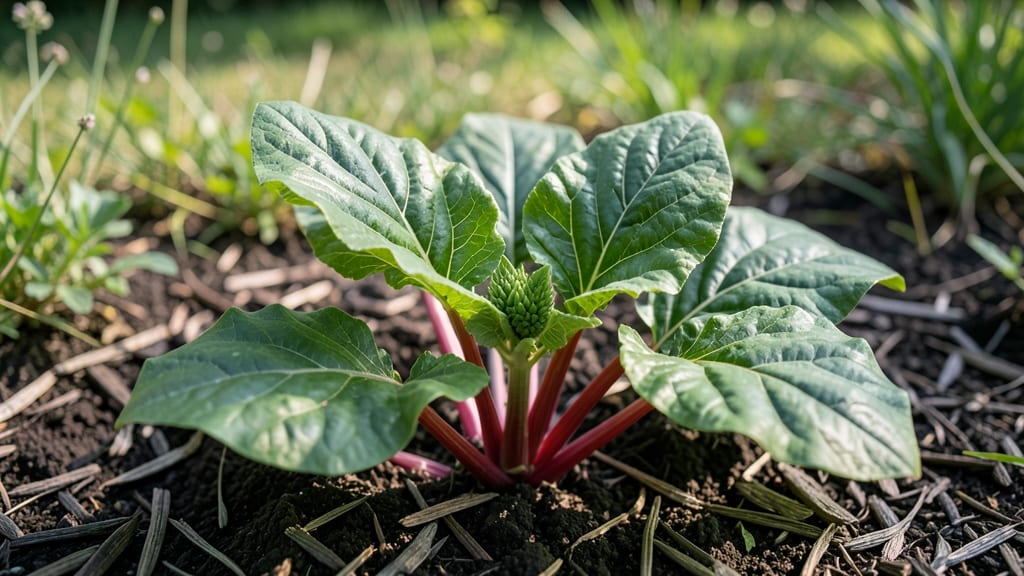
That first bright pink stalk signals your rhubarb plant has finally arrived. 🌱 Growing a small rhubarb plant isn't just about patience—it's about creating the right conditions for this cold-hardy perennial to thrive year after year, giving you tart stems that taste like spring in every bite.
Rhubarb loves cool weather and rich soil, so don't rush planting in spring—wait until the ground warms to 50°F and all frost danger has passed. A 3-foot-wide planting space gives roots room to spread, while 6 hours of sunlight ensures those signature stalks grow thick and tender.
Water deeply once a week unless rain does the work for you.
By late summer, you'll harvest your first stalks (never the leaves!) by twisting them gently at the base. The plants reward your care with years of harvests, and the tart-sweet flavor makes every minute of waiting worthwhile.
Just avoid over-harvesting—save at least a third of the stalks for next year's growth.
Perfect for small gardens, containers, or even urban patios with the right variety. Here's how to get started without the common mistakes that frustrate beginners—like planting too early or harvesting too soon.
📚 In This Guide
- What you need
- Instructions
- Tips and common mistakes
- Wrapping up and next steps
What you need
- ● Rhubarb crown (or seeds) – Choose a cold-hardy variety like ‘Victoria’ or ‘Strawberry’ for compact growth (1-2 crowns for a small patch).
- ● Well-draining soil – Aim for loamy, slightly acidic soil (pH 6.0-6.8) with organic matter (compost or aged manure).
- ● Compost or fertilizer – A balanced 10-10-10 or organic option (like bone meal) to boost early growth.
- ● Mulch (straw or wood chips) – 2-3 inches to retain moisture and protect roots in winter.
- ● Garden trowel or spade – For digging planting holes (6-8 inches deep).
- ● Garden fork – To loosen soil before planting.
- ● Watering can or hose with spray nozzle – For gentle, deep watering.
- ○ Pruning shears – To trim dead leaves or overgrowth (optional but helpful).
- ● Garden gloves – Because rhubarb leaves are toxic—keep them off your skin!
- ● Row covers or frost cloth – For early spring protection in cold climates.
- ● Coffee grounds – Sprinkle around the base for natural pest deterrence.
- ● Drip irrigation kit – For consistent moisture in dry spells.
- ● Plant markers – To label your small rhubarb patch (trust us, it’s easy to forget!).
Step-by-Step guide to planting and caring for a small rhubarb plant
Here's how I get a small rhubarb plant thriving in just a few simple steps—no fancy tools or years of experience required.
🌱 Step 1: Choose the Perfect Planting Spot
Rhubarb loves cool weather and plenty of space to spread. Pick a spot with full sun to partial shade—at least 6 hours of sunlight daily. I always check for well-draining soil because soggy roots will rot your plant before it establishes. If your soil feels heavy or clay-like, mix in 2-3 inches of compost to loosen it up.
Here's the thing—rhubarb is a permanent resident. It hates being moved once planted, so choose a location where it can stay for 10+ years. Look for a spot that's easy to reach for harvesting but protected from strong winds. A slight slope helps water drain away from the crown after heavy rains.
🪴 Step 2: Prepare the Planting Hole
Dig a hole that's twice as wide as the root ball but only as deep. Rhubarb roots spread horizontally, not downward, so you don't want to bury the crown too deeply. Gently loosen the roots if they're circling tightly in the container—this encourages them to spread outward in the garden.
Add a handful of 5-10-10 fertilizer to the bottom of the hole to give your rhubarb a nutrient boost right away. Mix it into the native soil so it's evenly distributed. Place the plant in the hole so the top of the root ball sits just below soil level—never deeper than where it grew in the container.
💧 Step 3: Plant and Water Thoroughly
Fill the hole with soil and press gently around the base to remove air pockets. Water deeply until the soil is moist 6 inches down. You'll know it's right when water pools on the surface for a few seconds but then drains away. Mulch around the base with 2-3 inches of straw or wood chips to protect the roots and keep moisture consistent.
Don't water again until the top inch of soil feels dry to the touch. Overwatering at this stage will suffocate the roots. Watch for the first new leaves to appear—this tells you the plant has successfully rooted. It usually takes 2-3 weeks in cool weather, but can take longer in hot summer planting.
☀️ Step 4: Maintain Through the First Season
Rhubarb is low-maintenance once established, but the first year needs special attention. Keep the soil consistently moist but never soggy—1 inch of water weekly is plenty unless you're in extreme heat. Feed with balanced fertilizer (10-10-10) in early spring and again after harvesting begins.
Here's what I do: I let the plant focus on root growth its first year. Only harvest 1-2 stalks if absolutely necessary, and never take more than 10% of the plant. You'll see thick, healthy leaves by late summer—that's your sign the roots are strong and ready for bigger harvests next year.
✂️ Step 5: Prepare for Winter and Next Year
In fall, cut back any dead or yellow leaves but leave the healthy ones until winter. The leaves protect the crown from freezing temperatures. When snow covers the ground, add 4-6 inches of mulch around the base to insulate the roots—rhubarb survives -30°F with proper protection.
Spring is when rhubarb really wakes up. As soon as you see new growth in early spring, remove old mulch and add fresh compost around the base. This gives your plant the nutrients it needs to produce those tart, juicy stalks you love. And remember: patience pays off—it takes 2-3 years for a small plant to reach full production.
Tips & tricks for perfect small rhubarb plant care
These simple insights will help your rhubarb thrive for years to come—no green thumb required.
Sunlight Strategy: While rhubarb tolerates partial shade, those 6 hours of sunlight make all the difference for robust growth. I've seen plants in shadier spots produce smaller stalks—position yours where it gets morning sun and afternoon shade if temperatures climb above 80°F. A south-facing spot works best in northern climates, while western exposure may need afternoon shade in hotter regions.
Rootball Prep: That twice-as-wide hole in Step 2 isn't just about space—it's about encouraging outward root growth. Before planting, gently tease apart any circling roots you find. I use my fingers to carefully separate them, which prevents the classic "pot-bound" look where roots grow in tight circles. This simple step makes a huge difference in how quickly your plant establishes.
Watering Wisdom: The 6-inch moisture check in Step 3 is crucial—rhubarb roots need consistent moisture but hate soggy conditions. I test by sticking my finger down: if it feels dry at 1 inch, water thoroughly. In summer, I increase to 1.5 inches weekly unless we get rain. The key is keeping the soil evenly moist without waterlogging, which can cause crown rot.
First-Year Harvesting: Resisting the urge to harvest those first few stalks is tough, but it's worth it. That 1-2 stalk maximum in the first year ensures your plant builds strong roots. I mark the stalks I harvest with a small flag so I don't accidentally take too much. By next spring, you'll be rewarded with a much more productive plant—trust me, it's worth the wait!
Pro Tips for Small Rhubarb Plant
- These simple insights will help your rhubarb thrive for years to come—no green thumb required.
- Sunlight Strategy: While rhubarb tolerates partial shade, those 6 hours of sunlight make all the difference for robust growth.
- Rootball Prep: That twice-as-wide hole in Step 2 isn't just about space—it's about encouraging outward root growth.
Frequently asked questions
Got questions about growing a small rhubarb plant?
You’re not alone! Here are answers to the most common queries—from planting to harvesting—so you can enjoy tart, homegrown stems without the guesswork.
How long does it take for a small rhubarb plant to produce edible stems?
A small rhubarb plant typically takes 2–3 years to mature enough for harvesting. In the first year, focus on establishing roots; in year two, expect a few small stems. Patience pays off—by year three, you’ll have a bountiful harvest! Pro tip: Avoid pulling stems in the first year to encourage root growth.
Can a small rhubarb plant survive winter in cold climates?
Rhubarb is one of the hardiest perennials, tolerating zones 3–9. In cold winters, mulch heavily (4–6 inches) with straw or leaves to protect the crown. Even in harsh conditions, it’ll bounce back in spring. Cold hack: Snow acts as natural insulation—no extra work needed!
What’s the best way to propagate a small rhubarb plant?
Divide mature plants every 3–4 years or share crowns with friends. Dig up a section with roots and stems, replant it 2–3 feet apart, and water well. For small rhubarb plants, you can also root cuttings (4–6 inches long) in moist soil. Growth tip: Spring or early fall is ideal for division.
Why are my rhubarb stems turning yellow or mushy?
Yellow/mushy stems often signal overmaturity, disease (like crown rot), or poor drainage. Harvest stems at 8–10 inches before they toughen. If soil stays soggy, improve drainage with compost. For diseased plants, remove affected parts immediately and treat with copper fungicide if needed. Fix: Space plants 2–3 feet apart to improve airflow.
Can I grow rhubarb in containers, or do I need a garden bed?
Yes! A small rhubarb plant thrives in 18–24-inch-deep containers with well-draining soil. Use large pots (at least 12 inches wide) and fertilize regularly. Just know: container-grown rhubarb may produce smaller yields than in-ground plants. Container tip: Move pots to partial shade in hot climates.
Wrapping up and next steps
Growing a small rhubarb plant is a rewarding journey—whether you’re a gardening newbie or a seasoned green thumb! 🌱 With its cold-hardy nature and year-round stems, this tart treasure is perfect for adding zing to pies, jams, or cocktails.
Remember to choose the right variety, give it space to thrive, and keep it well-watered for the best harvest.
Ready to dive in? Start small—plant a single crown this season and watch your garden transform into a rhubarb paradise. Happy gardening! 🌿