
Planting
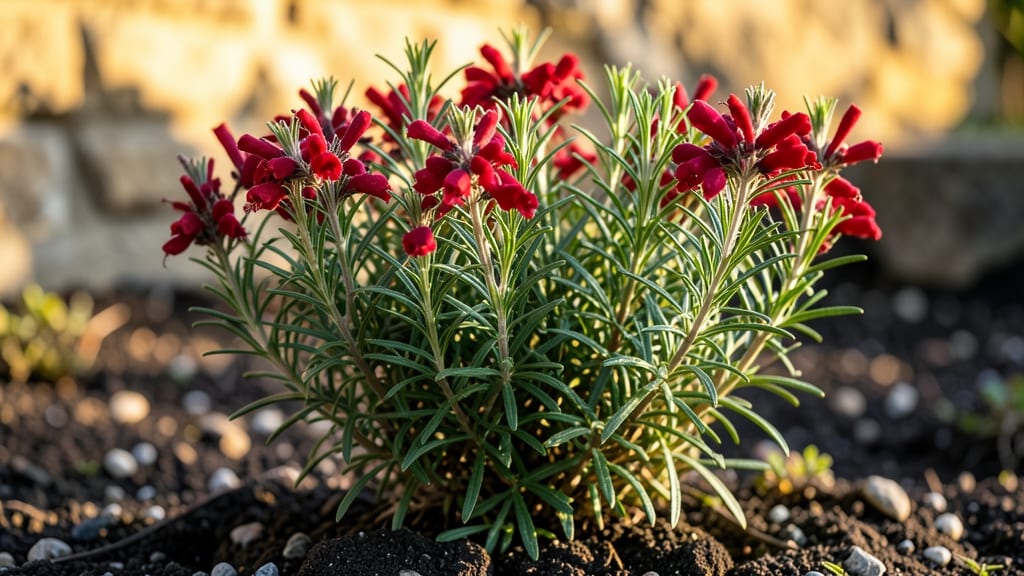
Growing a rosemary plant—especially the striking red rosemary flower—from cuttings is one of the easiest ways to multiply your favorite plants for free, without seeds or nursery trips. 🌿 I’ve propagated my entire collection this way, and the secret is in the timing and a little patience.
The vibrant red flowers and pine-like fragrance make it worth every effort, plus it thrives where regular rosemary might struggle.
You’ll need just three things: healthy cuttings (4-6 inches long), a small pot with well-draining soil, and a humid spot like a windowsill or greenhouse. The magic happens when you dip the cut end in rooting hormone and keep the soil consistently moist—not soggy.
Within 4-6 weeks, you’ll see new growth, and by next spring, you’ll have a bushier plant with those vibrant red blooms.
Once rooted, your new red rosemary will reward you with fragrant foliage and dramatic flowers that last all summer. It’s perfect for borders, containers, or even as a low-growing ground cover.
The best part? These plants stay compact and produce more flowers when pruned regularly—so you’ll get double the beauty with minimal effort.
Works in zones 7-10 and handles drought like a champ, but keep it sheltered if you live in colder areas. Whether you’re filling gaps in your garden or sharing cuttings with friends, this method is the easiest way to grow more red rosemary without breaking the bank.
📚 In This Guide
- What you need
- Instructions
- Tips and common mistakes
- Wrapping up and next steps
What you need
- ● Rosemary cuttings: 4–6 healthy, 4–6 inch (10–15 cm) stems with at least 2–3 leaf nodes each (cut from non-flowering tips).
- ○ Rooting hormone (optional but recommended): A small bottle (e.g., Dyna-Gro Root Stimulator or similar).
- ● Well-draining potting mix: 1 small pot (4–6 inches wide) with a blend of cactus/succulent mix + perlite (50/50 ratio).
- ● Small pots or trays: 1–2 (4–6 inches deep) with drainage holes.
- ● Spray bottle: For misting (8 oz / 240 mL capacity).
- ● Clear plastic bag or dome: To create humidity (e.g., a ziplock bag or propagation dome).
- ● Scissors or pruning shears: Clean, sharp pair (sterilized with rubbing alcohol).
- ● Watering can or cup: For gentle watering (avoid over-saturating).
- ● Heat mat: To keep soil warm (70–75°F / 21–24°C) and speed up rooting.
- ● Grow lights: LED or fluorescent (12–16 hrs/day) if natural light is weak.
- ● Peat pellets: For a sterile, moisture-retentive medium (alternative to soil mix).
- ● Label markers: To track cutting varieties (e.g., red rosemary).
How to propagate red rosemary from cuttings in minutes
Here's the foolproof method I use to grow fresh red rosemary plants—no fancy tools or patience required.
🌿 Step 1: Take Healthy 4-6 Inch Cuttings
Select new growth from your existing rosemary plant—look for wooden stems (not soft green ones) that are about 4-6 inches long. These should have 2-3 sets of leaves and no flowers yet. Use clean, sharp scissors to make a diagonal cut just below a leaf node (that little bump where leaves attach).
Strip off the lower leaves—leave only the top 2-3 sets on the stem. This prevents rot when you plant the cutting. I like to dip the cut end in rooting hormone (optional but speeds things up), then tap off any excess so it doesn’t drip onto the leaves.
💧 Step 2: Plant in Moistened Soil Mix
Fill a small pot (3-4 inches wide) with a mix of 50% perlite and 50% potting soil. This keeps the roots from sitting in soggy soil. Moisten the mix until it feels damp like a wrung-out sponge—not dripping, just evenly moist. Stick your cutting 1-2 inches deep, firming the soil gently around it.
Place 2-3 cuttings per pot (you’ll get 4 plants total). Space them 2 inches apart so they don’t crowd. Water lightly until you see moisture just breaking the surface. Too much water now will rot the cuttings before roots form.
☀️ Step 3: Create a Humid, Bright Environment
Cover the pot with a clear plastic bag (like a gallon-sized zip-top) to trap humidity. Tie it loosely so air can still circulate. Place the pot in bright, indirect light—a south-facing window works, but avoid direct midday sun for the first week. Red rosemary cuttings root best at 70-75°F.
Check the soil every 2-3 days. Mist the leaves lightly if they look dry, but never let the soil stay soggy. In 3-4 weeks, gently tug on a cutting—if you feel light resistance, roots have formed! Remove the plastic bag after 4-6 weeks and gradually introduce it to normal light.
⏰ Step 4: Transition to Independent Growth
Once roots are established, water only when the top inch of soil feels dry—red rosemary hates wet feet. Move the pots to full sun (6+ hours daily) over 7-10 days. You’ll see new growth at the tips in 2-3 weeks, signaling your cuttings have fully rooted.
After 8-10 weeks, transplant to individual pots (5-6 inches wide) or directly into the garden. Pinch back the tips to encourage bushier growth. Real talk: Don’t rush this step—rushing leads to leggy, weak plants that flop over.
Tips & tricks for propagating red rosemary cuttings
Here’s what nobody tells you about growing rosemary from cuttings—these tricks will make all the difference between success and disappointment.
Cutting Selection: The 4-6 inch length is non-negotiable, but here’s the secret: look for stems that are slightly thicker than a pencil. These have more stored energy for rooting. Avoid stems with yellowing leaves or soft spots—they’re already stressed and won’t survive. Confession: I skipped this step for years and wondered why half my cuttings died.
Soil Moisture Balance: That "damp like a wrung-out sponge" description is perfect, but here’s the follow-up: use a spray bottle to mist the soil after planting. This keeps moisture even without oversaturating. Too much water creates anaerobic conditions that rot cuttings before roots form. I learned this the hard way after losing three batches to soggy soil.
Humidity Hack: For the plastic bag trick, poke a few tiny holes in it if your kitchen gets humid. This prevents condensation from sitting on the leaves, which can cause rot. Place a small tray of water near the pot to boost humidity if your home is dry—rosemary thrives in 50-70% humidity.
Light Transition: When moving cuttings to full sun after 7-10 days, do it gradually. Start with 2 hours of direct sun, then increase by 1 hour each day. Sudden exposure can scorch tender new growth. I’ve seen cuttings go from thriving to crispy in 24 hours when rushed—don’t make my mistake!
Pro Tips for Rosemary Plant Red Rosemary Flower
- Here’s what nobody tells you about growing rosemary from cuttings—these tricks will make all the difference between success and disappointment.
- Cutting Selection: The 4-6 inch length is non-negotiable, but here’s the secret: look for stems that are slightly thicker than a pencil.
- Soil Moisture Balance: That "damp like a wrung-out sponge" description is perfect, but here’s the follow-up: use a spray bottle to mist the soil after planting.
Frequently asked questions
Got questions about growing red rosemary from cuttings?
Here are the answers to the most common ones—so you can propagate with confidence!
Can I grow red rosemary from regular rosemary cuttings?
Nope! Red rosemary (Salvia rosmarinus ‘Prostrata Rubra’) is a distinct variety with deep purple-red flowers. While it’s in the same family, it won’t grow true from standard rosemary cuttings. Always source cuttings from a red rosemary plant to get those stunning blooms.
How long does it take for red rosemary cuttings to root?
Patience pays off! Most cuttings develop roots in 4–8 weeks, depending on humidity, warmth, and care. Check for success by gently tugging—if resistance meets your fingers, roots are forming. Keep them in bright, indirect light during this time for best results.
Why are my red rosemary cuttings turning brown or mushy?
Overwatering is the #1 culprit. Red rosemary cuttings hate soggy soil—let the top inch dry out between waterings. If browning happens at the tips, it’s likely underwatering or low humidity. Mist lightly daily or use a humidity dome to keep conditions ideal.
Can I propagate red rosemary in water first?
While possible, it’s not ideal. Rosemary roots better in soil or a perlite mix because it mimics its natural dry environment. If you try water, switch to soil once roots are 1–2 inches long to prevent rot. Pro tip: Dip cuttings in rooting hormone for a 10% faster success rate!
What’s the best temperature for rooting red rosemary cuttings?
Aim for a cozy 65–75°F (18–24°C) range. Avoid drafts or cold windowsills—rosemary is Mediterranean through and through! If your home dips below 60°F (15°C), use a heat mat or move cuttings to a warmer spot (like near a sunny window).
Can I use red rosemary cuttings to make a living wall?
Red rosemary thrives in vertical gardens thanks to its trailing habit. Once rooted, plant cuttings in a well-draining vertical planter with a mix of cactus soil and perlite. Space them 4–6 inches apart for a lush, cascading display. Just ensure it gets at least 6 hours of sunlight daily.
Wrapping up and next steps
Growing red rosemary flowers from cuttings is a rewarding journey that brings vibrant color and fragrant beauty to your garden!
With just a few simple steps—sharp scissors, rooting hormone, and a little patience—you’ll soon enjoy this stunning, drought-resistant plant thriving in your space. Don’t wait—try it today and watch your green thumb grow!
🌱 Next step: Once your cuttings root and sprout, transplant them into pots or garden beds. Pro tip: Place them in full sun for the boldest red blooms! 🌸