
Planting
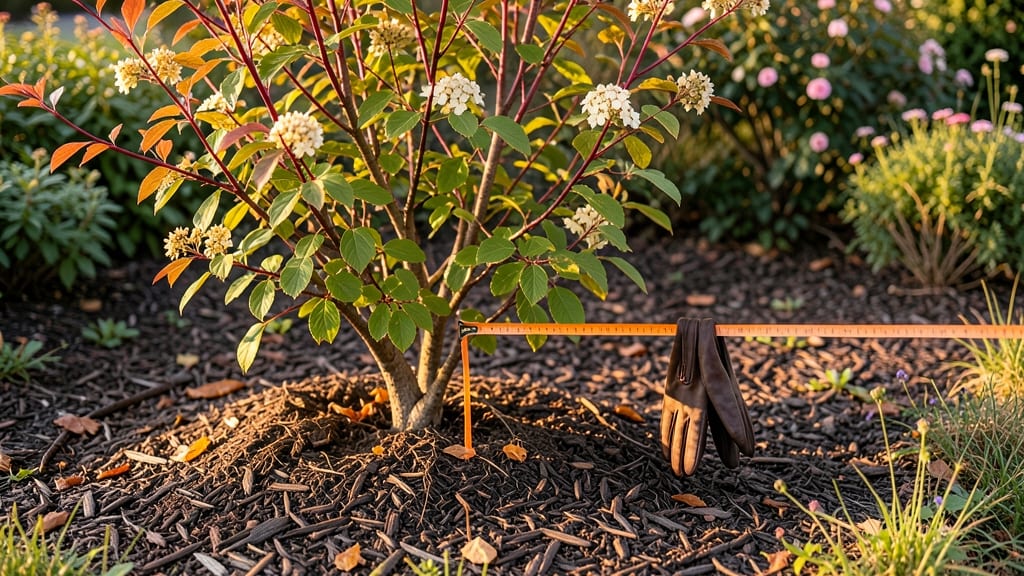
Spacing red twig dogwood plants 3 feet apart is the golden rule for showcasing their fiery winter stems and ensuring they thrive year-round in your landscape.
Picture this: a winter garden that pops with vibrant red stems, effortlessly catching the eye without overcrowding your space. That’s the magic of proper spacing—it’s not just about aesthetics, but also about giving each plant room to grow strong and healthy.
Red twig dogwoods (🌿) mature between 6 and 10 feet tall, so cramming them too close leads to stunted stems, poor airflow, and even disease. But with the right distance, you’ll get those showstopping branches and a landscape that feels balanced, not chaotic.
In this guide, I’ll break down the 3-foot rule, how to adjust spacing for hedges or mixed borders, and which companion plants pair perfectly—so your garden stays stunning from spring to winter.
Optimal red twig dogwood spacing: the 3-Foot rule explained
If you've ever wondered why your red twig dogwood's stems aren't as vibrant as they should be, the answer might be in your planting spacing. These stunning shrubs thrive with 3 feet between plants when grown in full sun conditions.
This spacing isn't arbitrary—it's about giving each plant room to develop those showstopping red stems and prevent competition for nutrients.
The 3-foot rule ensures proper air circulation, which is crucial for preventing fungal diseases and encouraging those bold winter colors we all love. When plants are too close, they compete for sunlight, water, and nutrients, leading to stunted growth and less dramatic foliage.
For full sun locations, this spacing becomes even more critical because the plants grow more vigorously.
| Planting Scenario | Spacing (Feet) | Sunlight Conditions | Best For |
|---|---|---|---|
| Single Specimen Planting | 3-4 feet from other plants | Full sun to partial shade | Focal points, borders |
| Hedge Planting | 2-3 feet apart | Full sun | Privacy screens, windbreaks |
| Mass Planting | 3 feet apart in rows | Full sun | Garden beds, mixed borders |
| Container Planting | Single plant per container (15+ gallon) | Full sun to partial shade | Patio, balcony gardens |
For full sun conditions, the 3-foot spacing is non-negotiable if you want those bold red stems to shine. In full sun, red twig dogwoods grow more aggressively, and proper spacing ensures they don't compete for sunlight, which can lead to weak, pale stems.
If you're planting in partial shade, you can slightly reduce spacing to 2.5 feet, but this will limit the intensity of their winter color.
Another key factor is how spacing affects stem development. When plants are too close, they produce more horizontal stems than vertical ones, which means fewer of those eye-catching red canes that make this shrub so special.
The 3-foot rule encourages a more upright growth habit, giving you that dramatic winter display you're after.
If you're designing a hedge or border, you can adjust spacing slightly to 2-3 feet apart. This creates a denser look while still allowing enough room for each plant to develop properly.
For specimen planting, where you want to highlight a single plant, give it a 4-foot radius of clear space to really let it shine.
One common mistake is assuming that smaller plants mean tighter spacing. Even young red twig dogwoods need 3 feet of space to avoid future crowding. If you plant them too close now, you'll spend years pruning to fix the problem.
Think of it like giving your plants a lifetime of room to grow into their full potential.
For mixed borders, where you're combining red twig dogwoods with other shrubs like ninebark or elderberry, maintain the 3-foot spacing between dogwoods but adjust spacing for companion plants based on their mature sizes. This prevents competition while creating a layered, textured landscape that's both functional and beautiful.
Remember, proper spacing isn't just about aesthetics—it's about plant health. When red twig dogwoods have enough room, they're less susceptible to pests and diseases because of improved airflow and sunlight penetration. This means fewer headaches for you and more time enjoying those stunning winter stems.
So before you dig that next hole, take a moment to measure out that 3-foot spacing. Your future self—and your garden's winter beauty—will thank you.
How spacing affects growth: common mistakes and pro tips
When red twig dogwood plants are too close, their vibrant winter stems dim in color and growth slows dramatically. I’ve seen overcrowded plantings where stems turn dull brown instead of fiery red—it’s a heartbreaking sight! The key is understanding how spacing impacts air circulation, sunlight exposure, and root competition.
One of the first signs of overcrowding is stunted stems that fail to reach their full 6-10 foot height. You’ll also notice fewer flowers in spring, as the plant diverts energy to survival rather than blooming.
Even worse, crowded dogwoods become prime targets for fungal diseases like powdery mildew due to poor airflow.
⚠️ callout-warning ⚠️
🚨 Don’t Make These Spacing Mistakes!
- Planting too close (under 3 feet) leads to weak stems and pale winter color.
- Ignoring mature size—dogwoods can reach 10 feet wide if unchecked.
- Skipping pruning to thin out centers, trapping moisture and disease.
Pro Tip: Measure stems annually—if they’re under 3 feet tall by year 3, they’re likely crowded.
To maximize those showstopping red stems, aim for 4-6 feet between plants in full sun. This gives each shrub room to develop thicker, brighter stems while allowing better air circulation. In partial shade, you can reduce spacing slightly to 3-4 feet, but never less—dogwoods hate competition.
Pruning plays a crucial role in maintaining vibrant winter color. Every 2-3 years, remove 10-20% of oldest stems at the base to encourage new growth. This keeps the center open and airy, preventing disease buildup.
I like to prune in late winter when stems are most visible—it’s the perfect time to assess spacing and growth.
For maximum winter impact, group 3-5 dogwoods together in a cluster. This creates a dramatic focal point while maintaining proper spacing. Pair them with companion plants like eastern ninebark or serviceberry, which thrive at similar spacing (4-5 feet apart) without competing for resources.
Remember: Proper spacing isn’t just about looks—it’s about plant health. When dogwoods have room to breathe, their stems stay bold, their flowers multiply, and they thrive for decades. That’s the secret to a winter garden that truly wows! 🌿