
Planting
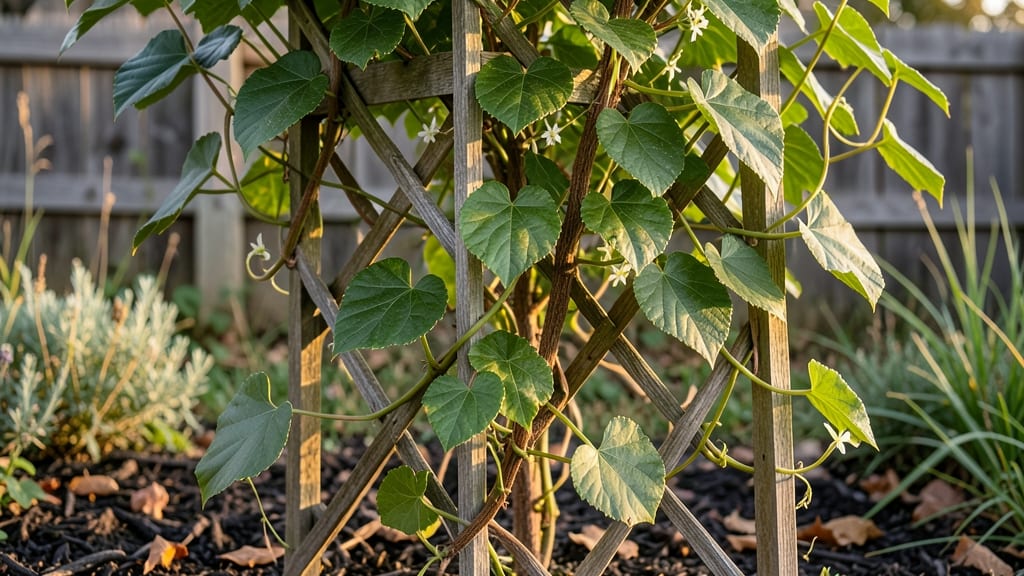
Growing the red kiwi plant means summer fruit harvests that last into winter. 🌱 These hardy climbers produce sweet, edible-skinned kiwis faster than traditional varieties—sometimes bearing fruit in just two years.
My first vine exploded with growth last spring, and I'm still amazed at how quickly it established itself compared to other fruit plants.
The secret lies in their adaptability: they thrive in zones 4-8, tolerate partial shade, and even handle urban containers. You'll need a sturdy trellis or fence for those fast-growing vines to climb, plus well-draining soil rich in organic matter.
Unlike their tropical cousins, red kiwis handle cooler climates beautifully—though young vines need winter protection in colder areas.
By summer's end, you'll be picking fruit that's ready to eat straight off the vine—no peeling required. The flavor explodes with tropical notes, and the plants keep producing through fall. My neighbors now ask for cuttings every year, and I've even trained one along my garage wall for easy harvesting.
Perfect for small spaces, urban gardens, or anyone tired of waiting years for fruit. The key is patience with young vines and consistent pruning to encourage strong growth. Let's get those vines climbing and fruiting faster than you'd expect!
📚 In This Guide
- What you need
- Instructions
- Tips and common mistakes
- Wrapping up and next steps
What you need
- ● Red kiwi plant (Actinidia arguta) – 1 healthy vine (male & female plants needed for fruit; check if your plant is already pollinated or buy a pair).
- ● Well-draining potting mix – 5–10 gallons (or a blend of 60% peat moss, 30% perlite, and 10% compost).
- ● 5–10 gallon container or garden bed – Ensure it’s at least 12 inches deep with drainage holes (containers work great for urban growers!).
- ● Balanced fertilizer (10-10-10 or 5-5-5) – 1–2 cups per season (spring/fall).
- ● Trellis or sturdy support structure – 8–10 feet tall (red kiwis are vigorous climbers!).
- ● Pruning shears – Sharp, clean pair for trimming.
- ○ Mulch (optional but recommended) – 2–3 inches of straw or wood chips to retain moisture.
- ● Growth regulator – To encourage fruit set (e.g., gibberellic acid spray).
- ● Drip irrigation system – For consistent moisture (red kiwis love water!).
- ● Frost cloth – If growing in colder zones (red kiwis tolerate light frost but need protection in winter).
- ● pH test kit – Ideal soil pH: 5.5–6.5 (red kiwis prefer slightly acidic soil).
- ● Compost tea or worm castings – For a nutrient boost (especially in containers).
Step-by-Step instructions for growing a thriving red kiwi vine
Here's how to get your red kiwi vine growing strong and fruiting fast—no waiting years for that first harvest.
🌱 Step 1: Choose the Right Location and Prepare the Soil
Red kiwi vines need 6-8 hours of direct sun daily and a sturdy trellis to climb—think of it like training a toddler, but with fruit. Pick a spot where the trellis can grow 10-15 feet tall (kiwi vines can reach 30 feet, but you’ll want to prune for manageability). The soil should be well-draining but rich in organic matter, so mix in 3-4 inches of compost into the top 12 inches of soil.
Kiwi vines are temperamental about soggy roots, so if your soil drains poorly, add a 2-inch layer of coarse sand or perlite to the planting hole. You’ll know the soil is right when it crumbles easily when squeezed—not sticky, not dusty. Test it before planting to avoid future root rot.
🌿 Step 2: Plant Your Vine at the Right Time and Depth
Plant bare-root vines in early spring (after the last frost) or container-grown plants in late spring when temperatures stay above 50°F. Dig a hole twice as wide as the root ball but only as deep—kiwi roots hate being buried too deep. Place the vine in the hole so the graft union (the bump near the base) sits 2-3 inches above soil level. This prevents water from pooling and rotting the graft.
Backfill with soil, firming gently around the roots to remove air pockets. Water deeply right after planting to settle the soil and encourage root contact. You’ll see new growth within 3-4 weeks if conditions are right—watch for the first flush of bright green leaves as your signal that it’s thriving.
☀️ Step 3: Train and Prune for Fast Growth and Fruit
Kiwi vines need guidance early on, so install your trellis right after planting. Use soft ties (like old t-shirts or horticultural tape) to attach the main stem to the trellis, guiding it upward. Prune the vine aggressively in its first year to encourage strong framework: cut back any side shoots to 4-6 inches long and remove any that grow downward. This might seem brutal, but it forces the vine to put energy into a sturdy structure for future fruit.
In late winter (before buds swell), prune again to remove dead wood and shape the vine. Keep only the strongest 3-4 main branches and prune side branches to 12-18 inches long. You’ll see the difference in growth speed—pruned vines fruit faster because they’re not wasting energy on weak shoots.
💧 Step 4: Water and Fertilize for Year-Round Fruit
Kiwi vines are thirsty but hate soggy feet, so water deeply 1-2 times per week (more in extreme heat), giving the soil a good soak until water drains 6-8 inches deep. You’ll know it’s enough when the top 2 inches of soil feel dry to the touch. Mulch around the base with 2-3 inches of wood chips to retain moisture and regulate soil temperature—this is especially critical in hot summers.
Feed your vine with a balanced fertilizer (10-10-10) in early spring and again after harvest. Kiwi vines are heavy feeders, so don’t skimp—aim for ½ pound of fertilizer per year of vine age. You’ll notice faster vine growth and bigger fruit within a season if you keep up with feeding.
✂️ Step 5: Harvest and Maintain for Next Year’s Bounty
Red kiwi fruit ripens in late summer to fall, usually 60-90 days after flowering. The fruit turns a vibrant red when ripe—don’t wait for it to fall off the vine. Harvest by twisting gently or using pruning shears to avoid damaging the stem. Store unripe fruit at 35-40°F to ripen slowly over 2-3 weeks.
After harvest, prune again to remove any dead or weak growth and thin out crowded branches. This keeps airflow strong and reduces disease risk. In late fall, apply a 3-inch layer of mulch around the base to protect roots from freezing. With consistent care, your vine will fruit year after year—just like the fast, rewarding growth you’re after.
Tips & tricks for perfect red kiwi vine growth
Between us, growing a fast-fruiting red kiwi vine isn't rocket science—but it does take some smart moves to skip the years of waiting. Here's what nobody tells you about getting that first harvest sooner.
Sunlight Strategy: The 6-8 hours of direct sun daily is non-negotiable, but placement matters just as much. Face your trellis toward the south if you're in the northern hemisphere—this gives your vine maximum morning sunlight when temperatures are cooler. I've seen vines in east-facing locations struggle with afternoon shade, even with full sun hours. Consider adding a portable shade cloth during peak summer heat (100°F+) to prevent leaf scorch, which can stress the plant and delay fruiting.
Pruning Payoff: That aggressive first-year pruning in Step 3 isn't just about shaping—it's about forcing your vine to develop a strong framework. I learned this the hard way after letting my first vine grow wild, only to watch it produce tiny, underdeveloped fruit. The key is to prune when new growth is about 6 inches long, not waiting for it to get leggy. This technique creates more fruiting sites by directing energy to fewer, stronger branches. Think of it like training an athlete: you don't let them grow haphazardly if you want top performance.
Watering Wisdom: The 1-2 times per week guideline works, but timing is everything. Water in the morning so the foliage has all day to dry—wet leaves at night invite fungal diseases that can cripple your vine. I use a soaker hose for deep watering, which delivers moisture right to the roots where it's needed most. The 6-8 inch deep soak is crucial: shallow watering encourages roots to stay near the surface where they dry out faster. This is especially important during the first 3-4 weeks after planting when roots are establishing.
Fertilizer Timing: The early spring and post-harvest feeding schedule is perfect, but don't stop there. Kiwi vines respond well to a light application of compost tea (1:10 ratio) every 4-6 weeks during growing season. This gives them a steady supply of micronutrients without the risk of over-fertilization. I've seen vines that got too much nitrogen early on produce lots of leaves but no fruit—so balance is key. The ½ pound per year rule is a great starting point, but adjust based on your vine's response: if new growth is lush but flowers are sparse, you might need more phosphorus.
Pro Tips for Red Kiwi Plant
- Between us, growing a fast-fruiting red kiwi vine isn't rocket science—but it does take some smart moves to skip the years of waiting.
- Sunlight Strategy: The 6-8 hours of direct sun daily is non-negotiable, but placement matters just as much.
- Pruning Payoff: That aggressive first-year pruning in Step 3 isn't just about shaping—it's about forcing your vine to develop a strong framework.
Frequently asked questions
Got questions about growing your own red kiwi plant? You're not alone!
Here are some of the most common queries—plus straightforward answers—to help you cultivate a thriving vine with minimal stress.
Can red kiwi plants grow in containers, or do they need a garden?
Red kiwi plants thrive in containers! Opt for a large pot (at least 15 gallons) with drainage holes and a trellis for support. Just ensure it gets 6+ hours of sunlight daily. Containers are ideal for urban growers—just repot every 2–3 years as the vine expands.
How long does it take for a red kiwi plant to bear fruit?
Patience is key—red kiwi plants typically take 2–3 years to produce fruit after planting. Female vines need a male pollinator nearby (or hand-pollination) for fruiting. With proper care, you’ll enjoy sweet, tangy kiwis in late summer or early fall!
What’s the best temperature range for red kiwi plants?
Red kiwis love warmth but hate frost. Ideal temps range from 65–85°F (18–29°C). They’re hardy down to 15°F (-9°C) but may need winter protection (mulch or row covers) in colder zones. Avoid hotter-than-90°F (32°C) climates without shade.
What pests or diseases should I watch for with red kiwi plants?
Common pests include aphids, spider mites, and scale insects. Treat with neem oil or insecticidal soap. Diseases like powdery mildew or root rot (from overwatering) can occur. Ensure good airflow, prune regularly, and water at the base to keep issues at bay.
Are there any alternatives to red kiwi if I want a similar fast-growing vine?
If red kiwis seem tricky, try hardy kiwi (Actinidia arguta)—it’s cold-hardier and fruits faster! Other options: passionfruit (tropical, needs warmth) or grapevines (easier to grow in cooler climates). Each offers unique flavors and growth habits!
Wrapping up and next steps
The red kiwi plant is a fantastic addition to any garden, offering fast growth, vibrant foliage, and delicious, year-round fruit. With the right care—like proper sunlight, support, and patience—you’ll soon enjoy a bounty of nutrient-packed kiwis straight from your backyard. 🌱
Ready to dive in? Start by gathering your supplies, then follow the steps to plant and nurture your vine. Your homegrown kiwi harvest is just a few seasons away!