
Planting
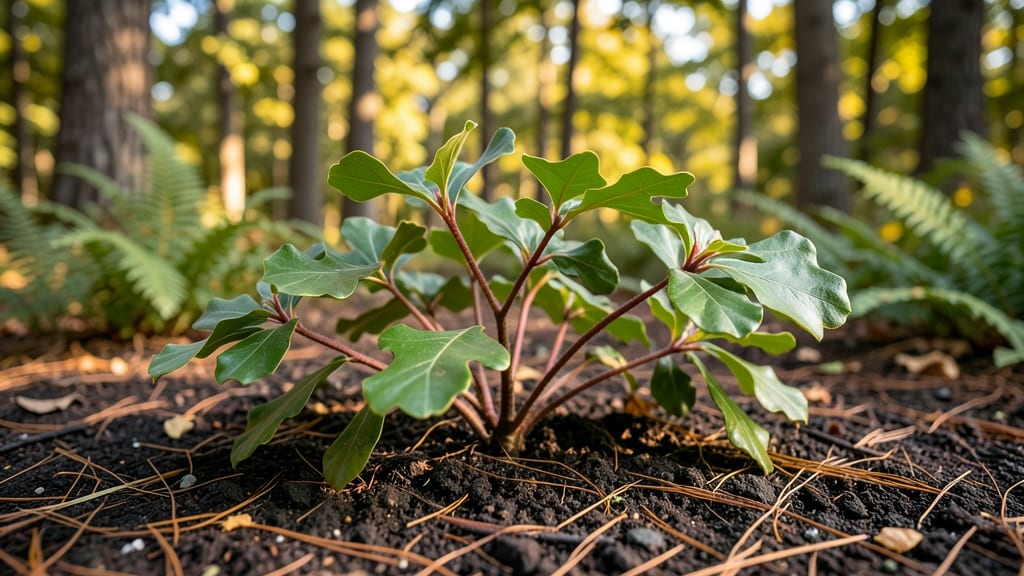
Spotting a young poison oak plant can turn a peaceful garden walk into a nightmare—unless you know the root-out method for good. 🌿 The three-leaflet pattern and smooth edges give it away, but many mistake it for harmless vines.
Without proper removal, it spreads aggressively, leaving itchy rashes in its wake.
Safety comes first: wear long sleeves, gloves, and goggles to avoid skin contact with the oils that cause reactions. The key is removing the entire root system—even a tiny fragment can regrow.
Dig carefully around the base, then bag the plant immediately. Never burn or compost it, as the oils can linger and cause problems.
What you’ll find after a thorough removal is a rash-free yard and peace of mind. The method works best in dry conditions, when the soil is easier to dig. With patience and the right tools, you can eliminate young plants before they become unmanageable.
This approach works for backyard gardens, park areas, or any outdoor space where poison oak might take hold. The goal is complete eradication, not just temporary suppression. Here’s how to do it right the first time.
How Young Poison Oak Invades
Young poison oak plants don’t just pop up by accident—they’re the result of a clever survival strategy combined with human activity. Understanding the root causes (literally and figuratively) helps you outsmart this pesky plant before it spreads. Here’s why it keeps coming back, and how it exploits your landscape.
Poison oak (Toxicodendron diversilobum) relies on animals to spread its seeds. Birds, squirrels, and even deer eat the plant’s white berries, then deposit the seeds in their droppings—often far from the original plant. A single berry can produce one to five seeds, and these seeds remain viable in the soil for up to five years. If your yard has wildlife visitors, you’re likely a seed distribution hub.Actionable tip: Install bird feeders away from garden beds or use netting to protect berry clusters before they ripen.
Poison oak doesn’t need seeds to spread—it can regenerate from even the smallest piece of root, stem, or leaf. If you’re pulling plants by hand, you might be leaving behind fragments that sprout into new plants. A single broken vine can produce multiple roots, and those roots can grow into independent plants within weeks.Pro tip: Always wear gloves and use a shovel or pruners to sever roots at least 6 inches deep. Bag and dispose of debris in sealed trash—do not compost.
Poison oak thrives in disturbed soil, and humans are its greatest disruptors. Construction, gardening, and even foot traffic can expose roots or bury fragments, giving them the perfect conditions to take hold. Additionally, tools, shoes, and pets can unknowingly carry plant pieces from infested areas to your yard.Key prevention:
- Sanitize tools with rubbing alcohol after use in infested areas.
- Avoid moving firewood or mulch from unknown sources—it can harbor hidden roots.
- Check pets’ paws after walks in wooded areas (they can track seeds home!).
Landscaping hack: Improve drainage in problem areas with gravel or sand mixes and plant competitive ground covers like clover or creeping thyme to starve out weeds.
Now that you know why young poison oak keeps showing up, the next step is how to eliminate it for good—without letting it win.
Eliminate Young Poison Oak Fast
Poison oak may start small, but its persistence can turn your yard into an itchy nightmare. The good news? Young plants are easier to remove than mature ones—if you act quickly and use the right methods.
Below, we break down cause-specific solutions to tackle those pesky seedlings before they spread. Plus, we’ll share pro tips to keep them from coming back.
Cause: You missed the tiny seedlings before they grew. Fix: Patrol your yard weekly (especially spring/summer) and crush young plants with your boot or a shovel. Why? Their roots are shallow, and physical removal works best when they’re small.
- How to spot them: Look for three-leaf clusters (the classic "leaves of three, let it be").
Young plants may also have reddish stems or a slight sheen on leaves. - Best tools: Wear gloves (even young plants can irritate skin) and use a shovel or hoe to dig out the entire root system. - Pro tip: 💡 Check under trees, fences, and mulch—these are prime hiding spots for seedlings.
Cause: The plant is slightly larger but still manageable. Fix: For plants under 1 foot tall, pull them by hand (with gloves!) or use a garden fork to pry out roots. If pulling isn’t enough, burn the debris (safely, in a fireproof container) to kill any lingering oils.
- Step-by-step: 1. Wear protective gear: Long sleeves, pants, and nitrile gloves (latex can degrade from poison oak oils). 2. Dig deep: Use a trowel to loosen soil around the base before pulling.
- Bag and dispose: Place plants in a sealed plastic bag and toss in the trash (never compost!). - Warning: ⚠️ Never burn on-site—toxic fumes can spread and cause respiratory issues.
Cause: You have a patch of young plants but can’t pull them all. Fix: For larger clusters, use vinegar-based herbicides (for organic control) or glyphosate (for fast results). Young plants absorb chemicals more easily than mature ones.
| Method | How to Apply | Pros | Cons |
|---|---|---|---|
| Vinegar (20-30%) | Spray directly on leaves (avoid wind). | Cheap, non-toxic to pets (diluted). | Requires full sun for best results. |
| Glyphosate | Mix with water, spray evenly on foliage. | Kills roots quickly. | Harmful to other plants if misapplied. |
| Boiling Water | Pour directly on roots (best for cracks in pavement). | Instant kill, no chemicals. | Labor-intensive for large areas. |
- Pro tip: 🌡️ Apply on a dry, sunny day—chemicals work best when plants are actively growing.
Cause: Poison oak keeps coming back in the same spot. Fix: Break the cycle with these preventive measures:
- 🔪 Smother the soil: Cover bare spots with mulch or cardboard to block sunlight (poison oak needs light to sprout).
- 🌿 Plant competitors: Fill empty spaces with dense ground covers like clover or creeping thyme—these outcompete weeds.
- 🚫 Avoid spreading: Clean tools and shoes after working in infested areas to prevent accidental transport.
- 🐕 Keep pets away: Dogs and cats can track seeds on their paws—wash their feet after outdoor time.
Final Reminder: Young poison oak is easier to kill than mature plants, but consistency is key. Act fast, remove thoroughly, and prevent regrowth—your yard (and your skin) will thank you! 🛡️
Frequently asked questions
How can I tell if a young plant is poison oak vs. harmless ivy?
Look for the classic "leaves of three" pattern, but check the edges: poison oak leaves have smooth or slightly wavy edges, while Virginia creeper (a lookalike) has toothed edges. Young poison oak also has reddish stems and a slight sheen on leaves. If in doubt, avoid touching it—always wear gloves when inspecting suspicious plants.
Can I use household vinegar to kill young poison oak?
Yes! A 20-30% vinegar solution works well on young plants, but you’ll need to apply it directly to the leaves on a sunny day. For best results, spray until the vinegar runs off, then reapply every 3-5 days until the plant dies. Avoid windy days to prevent overspray on other plants. Pro tip: Add 1 tablespoon of dish soap per gallon to help the vinegar stick.
What should I do if I accidentally touch a young poison oak plant?
Wash your skin immediately with cold water and soap (hot water opens pores and spreads oils). Avoid scratching, as it can worsen reactions. Apply calamine lotion or hydrocortisone cream to reduce itching. If you develop a rash, see a doctor—especially if it spreads or causes swelling. Never use alcohol or bleach on the skin, as they can irritate further.
How deep do I need to dig to remove young poison oak roots completely?
For young plants, dig at least 4-6 inches deep around the base to ensure you get the entire root system. Use a trowel or garden fork to loosen the soil first. If you leave even a small root fragment, the plant can regrow. Always wear gloves and dispose of the plant in a sealed trash bag—never compost it. Double-check the area after removal for any missed pieces.
Will mowing over young poison oak kill it?
No, mowing alone won’t kill poison oak—it can actually help it spread by breaking stems into fragments that regrow. If you must mow near suspected plants, bag the clippings immediately and dispose of them properly. For young plants, hand-pulling or smothering with mulch is far more effective. Consider using a string trimmer with a bagging attachment if you have a large area to clear.