
Planting
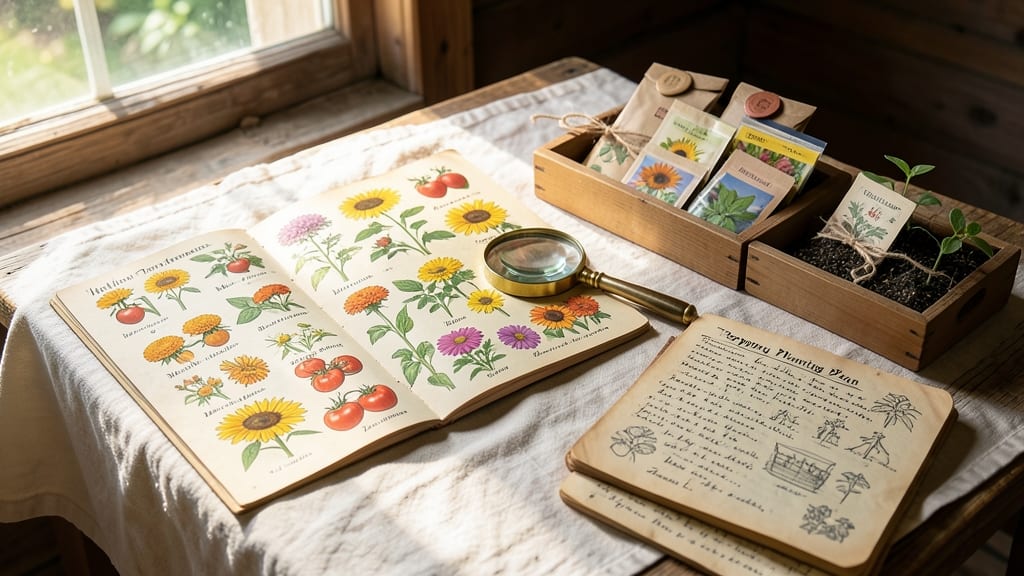
Plant seed catalogues are your year-round passport to a garden bursting with possibilities—no matter where you live or what you grow. 🌱 I’ve spent years flipping through them, circling varieties, and dreaming up garden layouts, and I’ll show you how to turn those pages into a thriving plot without wasting money or time.
Start by choosing a catalogue that matches your needs: online databases let you filter by zone and maturity dates in seconds, while print catalogues offer tactile browsing and detailed growing notes.
Look for clear zone maps, honest customer reviews, and whether they specialize in heirlooms, organics, or veggies—each has its own strengths. My go-to is a mix of a general online catalogue for variety and a niche heirloom print one for inspiration.
Once you’ve ordered, you’ll want to plan like a pro: group fast growers with slow ones, check spacing requirements, and note when to start seeds indoors. A single packet can stretch into multiple plants with proper thinning, and saving seeds from your best performers cuts next year’s budget by half.
I’ve grown entire gardens from just a few key packets—it’s all about strategy.
Budget-friendly gardeners swear by seed swaps, free community seed banks, and storing extras in cool, dry places. A little planning now means fewer store-bought plants later, and a garden that keeps giving back. Ready to turn those catalogues into a harvest?
📚 In This Guide
- What you need
- Instructions
- Tips and common mistakes
- Wrapping up and next steps
What you need
- ● Seed catalogues: Printed or digital (e.g., Burpee, Park Seed, or Seed Savers Exchange). Aim for 3–5 catalogues to compare varieties.
- ● Notebook or planner: For tracking seed orders, planting zones, and deadlines (1–2 per gardener).
- ● Highlighters/markers: 2–3 colors to flag favorites, notes, or deadlines.
- ● Ruler or measuring tape: For spacing plants (12–24" range).
- ● Pencil with eraser: For jotting down quick notes.
- ● Planting zone map: USDA Hardiness Zone Guide (printed or app-based).
- ● Digital scale: For weighing seeds (0.1–1 oz capacity).
- ● Seed storage containers: Airtight jars or envelopes (5–10 units).
- ● Calendars or reminders: To note order deadlines and planting times.
- ● Garden journal: For recording seed performance year-round.
- ● Know your USDA Plant Hardiness Zone (check USDA’s interactive map).
- ● Basic understanding of seed varieties (heirloom, hybrid, organic, etc.).
- ● Access to internet or mail services for ordering (if not using physical catalogues).
- ● Budget for seeds (typically $1–$5 per packet, depending on rarity).
How to use plant seed catalogues for year-round planning
Let’s turn those catalogues into a personalized planting schedule that matches your climate and growing goals.
📖 Step 1: Identify Your Growing Zone and Seasonal Windows
First, locate your USDA Hardiness Zone on the zone map included in most catalogues—this tells you which plants thrive in your area. I always circle my zone with a highlighter to avoid confusion later. Next, note the last frost date (spring) and first frost date (fall) for your region, as these define your planting windows.
Catalogues often list days to maturity for each variety, so you can calculate when to start seeds indoors or plant outdoors. For example, if a tomato variety takes 85 days to fruit and your last frost is April 15, you’ll need to plant seeds indoors 10-12 weeks before that date. Pro tip: Use a calendar to mark these deadlines—missed timing is the #1 reason seed starting fails.
☀️ Step 2: Match Varieties to Your Climate and Sun Exposure
Not all seeds are created equal for every garden. Check the catalogue’s sunlight requirements (e.g., full sun, partial shade) and compare them to your yard’s microclimates. I sketch a rough map of my garden, labeling areas with morning sun, afternoon shade, or full sun all day—this helps me place heat-loving peppers where they’ll thrive and shade-tolerant greens where they won’t bolt.
Look for heirloom vs. hybrid labels—heirlooms often have longer growing seasons but may need more care, while hybrids are bred for disease resistance or shorter days to maturity. If you’re in a short-season zone (like Zone 3), prioritize fast-maturing varieties (e.g., 45-day bush beans over 90-day pole beans).
📝 Step 3: Plan for Succession Planting and Crop Rotation
Succession planting keeps your harvests coming all season long. Most catalogues include planting schedules for common crops—use these as a starting point, then adjust based on your goals. For example, if you love baby lettuce every 3 weeks, note the 30-day maturity varieties and schedule seeds every 21 days to overlap harvests.
Also, jot down crop families (e.g., tomatoes, peppers, eggplants are all nightshades) to plan rotation spots. Avoid planting the same family in the same spot two years in a row—this prevents soil-borne diseases. I keep a simple notebook with last year’s plantings and circle where I’ll rotate heavy feeders (like tomatoes) next season.
💰 Step 4: Budget for Seeds, Tools, and Unexpected Needs
Catalogues often list seed quantities per 100-foot row or per plant. Calculate how much you’ll need based on your garden size—don’t assume a 1-ounce packet will last forever. For example, a 50-foot row of carrots might require 3 packets, but if you’re growing for storage, you’ll need even more. I always order 10-20% extra for test plots or gifts.
Factor in starting supplies (seed trays, grow lights, soil) if you’re growing from seed indoors. And set aside 5-10% of your seed budget for unexpected losses—some packets won’t germinate, and a few seeds always get dropped. Real talk: I’ve had $20 worth of seeds go to waste because I misread the planting depth. Don’t let that be you.
⏰ Step 5: Create a Timeline with Order Deadlines and Planting Dates
Most catalogues include order deadlines—mark these on your calendar now, even if you’re not ready to order. Seeds sell out fast, especially rare varieties. I use a spreadsheet with columns for variety, seed source, order deadline, start date (indoors), transplant date, and harvest window. This keeps me organized when the catalogues arrive in January and February.
For warm-season crops (tomatoes, peppers, squash), note when to start seeds indoors (6-8 weeks before last frost). For cool-season crops (spinach, peas, kale), you can often direct-sow after frost—just check the catalogue’s soil temperature requirements (e.g., 40-50°F for peas). Here’s the thing—if you wait until March 1 to plan, you’ll miss the best varieties. Start now.
Tips & tricks for mastering your plant seed catalogues
Here's how to turn those catalogues into a foolproof gardening game plan without missing a beat.
Zone Map Hack: Most catalogues include USDA zone maps, but I take it further by marking my exact zone with a bright marker and circling the 1-2 zones above and below—this helps when I want to test varieties that might tolerate slightly warmer or cooler conditions. Confession: I skipped this step for years and wondered why some plants underperformed.
Sunlight Strategy: Instead of just labeling garden spots as "sunny" or "shady," I use a color-coded system—yellow for morning sun, red for afternoon sun, and blue for full sun all day. This helps me match varieties like heat-loving tomatoes (red zones) with shade-tolerant greens (blue zones). The difference between a thriving garden and a struggling one often comes down to this simple mapping.
Succession Planting Math: When planning for crops like lettuce with 30-day maturity, I subtract 7 days from the maturity time to account for germination delays. So for lettuce, I schedule new plantings every 23 days instead of 21. This buffer prevents gaps in your harvest when seeds take longer to sprout than expected.
Budget-Proofing: I always calculate seed quantities based on my actual garden space, not the catalogue's "per 100-foot row" suggestions. For example, if I only have 20 feet for carrots, I'll order 1 packet instead of 3. The catalogue's quantities are just starting points—your actual needs depend on your space and goals. Here's what nobody tells you—always order 10% extra for test plots or unexpected losses.
Pro Tips for Plant Seed Catalogues
- Here's how to turn those catalogues into a foolproof gardening game plan without missing a beat.
- Confession: I skipped this step for years and wondered why some plants underperformed.
- Sunlight Strategy: Instead of just labeling garden spots as "sunny" or "shady," I use a color-coded system—yellow for morning sun, red for afternoon sun, and blue for full sun all day.
Frequently asked questions
Got questions about navigating plant seed catalogues? You’re not alone! Here are some of the most common queries—and their answers—to help you shop with confidence.
What’s the best time to order seeds from a catalogue?
Most catalogues offer year-round browsing, but timing depends on your climate. Order early spring for summer crops (tomatoes, peppers) or late summer/fall for cool-season plants (kale, spinach). Check your USDA Plant Hardiness Zone to align orders with your last frost date.
Can I still grow plants if I don’t have a garden?
Seed catalogues feature container-friendly varieties like dwarf tomatoes, bush beans, and herbs (basil, mint). Look for labels like “compact” or “patio” and use pots with drainage. Even a sunny windowsill or balcony can work!
Are heirloom seeds worth the extra cost?
Heirloom seeds (non-GMO, open-pollinated) offer unique flavors, colors, and the ability to save seeds year after year. While pricier upfront, they’re budget-friendly long-term. Hybrid seeds may yield bigger harvests but require repurchasing annually. Weigh your priorities!
What do I do if my seeds arrive late or expire?
Most seeds stay viable for 1–5 years (check the packet!). If expired, test germination by soaking a few in water—if they sprout, plant them. For late orders, prioritize fast-growing greens (radishes, lettuce) or start indoors. Contact the catalogue for replacements if seeds are damaged.
How do I use the zone maps in seed catalogues?
Zone maps (like USDA’s) show average minimum temperatures for your area. Match your zone to seed packets to ensure plants thrive. For example, Zone 5 seeds may fail in Zone 9’s heat. Pro tip: Overlap zones (e.g., Zone 4–7) for flexibility if you’re near a border!
Wrapping up and next steps
Exploring plant seed catalogues is like unlocking a world of endless gardening possibilities—whether you're a seasoned green thumb or just starting your journey! 🌱 With zone maps and diverse varieties at your fingertips, you can curate a garden that thrives year-round, no matter where you live.
The key? Dive in, get inspired, and take that first step toward planting your dream garden.
Ready to grow? Start by jotting down your top 3 favorite seeds or varieties from a catalogue, then research their care needs. Soon, you’ll be digging in the dirt with confidence—and maybe even sharing your harvest with neighbors! Happy planting! 🌟