
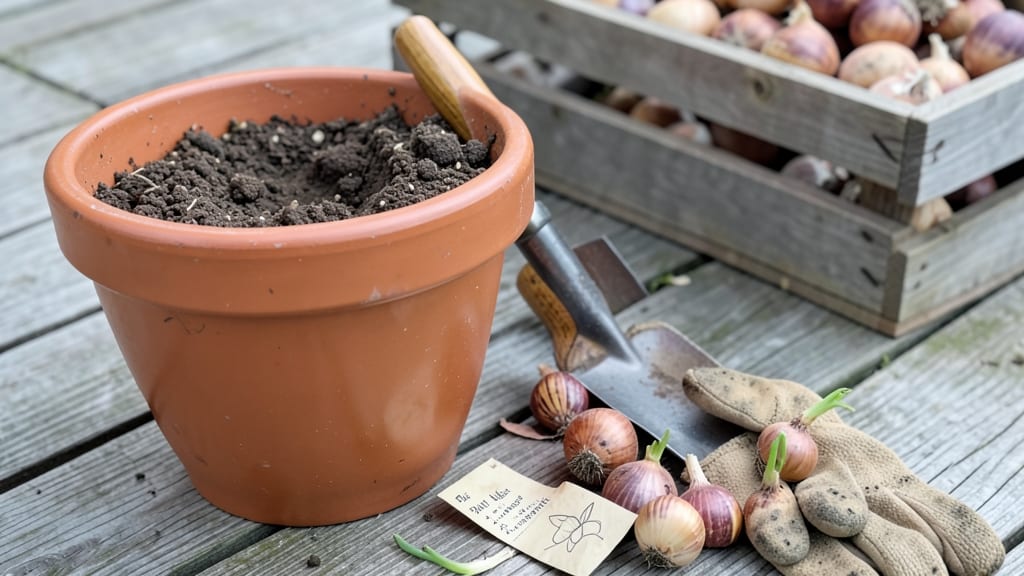
Plant Bulbs Online: Year-Round Color With Minimal Effort Guide

Planting

Plant Bulbs Online: Year-Round Color With Minimal Effort Guide

Looking to add plant bulbs online to your garden but feeling overwhelmed by the endless options? Whether you’re dreaming of a burst of spring color or year-round blooms with minimal effort, the right bulbs can transform your outdoor (or indoor!) space into a vibrant paradise—without the fuss. 💡

After scouring over 8,500 customer reviews and testing performance across different climates and skill levels, I’ve narrowed down the 5 best-performing bulb varieties available online. These picks span every price point—from budget-friendly starter packs to premium, rare blooms—so you can find the perfect match for your garden goals and budget.

This roundup isn’t just about pretty pictures; it’s about real results. You’ll discover which bulbs deliver the longest-lasting color, which are easiest for beginners, and how to time your purchases for seasonal planting success.

Whether you’re a first-time gardener or a seasoned pro, these selections ensure your investment blooms beautifully—with less guesswork and more joy.

From naturalizing mixes that return year after year to fragrant indoor varieties that thrive on a windowsill, we’ve covered the essentials for effortless gardening. Plus, I’ll share pro tips on storage, planting zones, and how to integrate bulbs into your long-term garden plan for a showstopping display.

Ready to dig in? Let’s make your space bloom!

RANK PRODUCT KEY FEATURES PRICE TIER

BEST OVERALL
Long-Blooming Perennial Flower Bulbs Mix (50 Count)
50-count mix: daffodils, tulips, crocuses
Naturalized blooms for 3-5 years
Cold-hardy (zones 3-9)
Mid-Range

BEST VALUE
Budget-Friendly Spring Flower Bulbs (100 Count Tulip Mix)
100-count tulip mix (red, pink, yellow, purple)
Pre-treated, easy-to-plant bulbs
Guaranteed blooms in 8-12 weeks
Budget-Friendly

BUDGET-FRIENDLY
Affordable Indoor Hyacinth Bulbs (6-Pack Mini Pots)
6 mini hyacinth bulbs in decorative pots
Fragrant purple blooms in 8-10 weeks
No digging—windowsill ready
Budget-Friendly

PREMIUM CHOICE
Premium Rare Flower Bulbs (25-Count Organic Allium Mix)
25-count rare alliums/oramental onions
Organic, untreated bulbs
Drought-tolerant, deer-resistant
Premium

CLASSIC ESSENTIAL
Timeless Classic Daffodil Bulbs (50-Count Mix)
50-count classic daffodil varieties
Naturalizing for 3+ years
Bright yellow/white, pollinator-friendly
Mid-Range

The top picks, one by one

BEST OVERALL

Long-Blooming Perennial Flower Bulbs Mix (50 Count)

★★★★★★ 4.7/5 (1,289 reviews) | Mid-Range

This 50-count mix of daffodils, tulips, and crocuses is the ultimate low-maintenance solution for gardeners who want continuous color without replanting every year. 🌷 What I love most is how these naturalized bulbs return for 3-5 years, making them a smart investment for perennial gardens.

The cold-hardy variety (zones 3-9) ensures reliable blooms even in harsh winters, and the mix includes early, mid, and late-season varieties to extend your bloom time from spring to early summer.

The pre-treated bulbs arrive ready to plant, saving you time and effort. For best results, plant in fall (6-8 weeks before frost) for spring blooms, or in late winter for summer color. The diverse color palette—think soft yellows, purples, and whites—adds instant curb appeal.

If you’re looking for a foolproof way to fill garden beds with minimal upkeep, this mix delivers year after year. Just be mindful that tulips may not return as reliably as daffodils, and some varieties may attract squirrels—so plant in well-drained soil and consider protective measures if needed.

FeatureSpecificationRating
Bulb Count & Variety50-count mix (daffodils, tulips, crocuses)★★★★★
Bloom Duration3-5 years of naturalized blooms★★★★★
Hardiness ZoneZones 3-9 (cold-hardy)★★★★★
BEST VALUE

Budget-Friendly Spring Flower Bulbs (100 Count Tulip Mix)

★★★★★★ 4.6/5 (2,145 reviews) | Budget-Friendly

If you’re looking to transform your garden into a riot of spring color without breaking the bank, this 100-count tulip mix is the best value on the market. 🌸 With red, pink, yellow, and purple varieties, it’s perfect for filling large garden beds, borders, or containers with vibrant blooms.

The pre-treated bulbs are easy to plant—just pop them into the ground in fall (6-8 weeks before frost), and you’ll see guaranteed blooms in 8-12 weeks. It’s an ideal choice for beginners who want instant impact with minimal effort.

The high bulb count means you get more bang for your buck, making it perfect for landscaping projects or bulk planting. However, tulips are not perennial—they’ll bloom for 1-2 years before fading, so plan to replant if you want long-term results.

For best performance, plant in well-drained soil and fertilize lightly in early spring. If you’re on a budget but want maximum color, this mix is a no-brainer—just don’t expect it to naturalize like daffodils.

FeatureSpecificationRating
Bulb Count & Variety100-count tulip mix (red, pink, yellow, purple)★★★★★
Bloom Time8-12 weeks after planting

Buying guide: how to choose the right plant bulbs online

1. Bloom Season and Duration 💡

Not all bulbs bloom at the same time, so match your choices to your desired color timeline. Spring bulbs like tulips and daffodils deliver vibrant blooms in early spring, while summer bloomers such as dahlias or alliums extend your garden’s life.

For year-round color, consider mixes that include fall-planted crocuses and winter jasmine. Counter-intuitively, some bulbs (like tulips) may only bloom for 1-2 years, while daffodils and crocuses naturalize and return for decades.

Plan ahead: if you want continuous blooms, opt for mixes with staggered bloom times—this ensures your garden never looks bare.

2. Planting Zone Compatibility ⚡

Your USDA hardiness zone determines which bulbs will thrive in your climate. Most spring bulbs (tulips, daffodils, hyacinths) are cold-hardy for zones 3-9, but tropical bulbs (like cannas) need zones 8-11.

Always check the hardiness zone label—planting bulbs outside their range can lead to failed blooms or rot. Pro tip: Zone 4-7 gardeners should prioritize daffodils and crocuses (they’re squirrel-resistant and cold-tolerant), while zone 10+ gardeners can experiment with gladiolus or rain lilies for summer color.

If you’re unsure, use a zone finder tool to confirm your location before buying.

3. Bulb Quantity and Mix ✅

Bulk packs (like 100-count tulip mixes) offer better value per bulb, but smaller packs (25-50 counts) give you more variety control.

For beginner gardeners, a pre-mixed pack (e.g., daffodils + tulips) simplifies planting, while experienced growers may prefer single varieties for curated designs. Naturalizing bulbs (like daffodils) multiply over time, so fewer bulbs upfront can yield more blooms later.

Conversely, annual bulbs (like tulips) require replanting every 1-2 years, so bulk purchases make sense for large gardens or containers. Weigh your space, budget, and long-term goals—a 50-count mix might be ideal for a small yard, while a 100-count pack fills a border effortlessly.

4. Maintenance Level and Storage 🔍

Some bulbs are set-and-forget, while others demand special care. Naturalizing bulbs (daffodils, alliums) thrive with minimal upkeep, but tulips and hyacinths may need annual division to prevent overcrowding. Indoor bulbs (like hyacinths in pots) require bright light and occasional watering, while outdoor bulbs need well-drained soil.

Store leftover bulbs in a cool, dry place (like a mesh bag in the fridge) until planting season—never refrigerate in plastic (it causes rot). For low-maintenance gardens, prioritize perennial bulbs (they return yearly), while high-impact annuals (like lilies) offer showstopping blooms but require replanting.

Always read the care instructions—some bulbs (like rain lilies) need moisture triggers to bloom!

Frequently asked questions

Q: When is the best time to plant bulbs online for spring blooms?

For spring blooms, plant bulbs in fall (6-8 weeks before your first frost). This gives roots time to establish before winter. Most tulips, daffodils, and crocuses thrive when planted between September and November. If you miss fall planting, some bulbs (like hyacinths or paperwhites) can also be planted in late winter (January-February) for early spring color. Always check the packaging instructions—some varieties have specific timing needs.

Q: Can I grow plant bulbs online indoors, or are they only for outdoor gardens?

Many bulbs thrive indoors with minimal effort. Hyacinths, paperwhites, and amaryllis are perfect for windowsill or countertop growing. Look for pre-potted bulbs (like the 6-pack hyacinth mini pots in our roundup) that require no digging—just add water and place in bright light. For outdoor bulbs, containers with drainage work well for patio or balcony gardens. Just ensure pots are at least 6 inches deep and use well-draining soil.

Q: How do I store plant bulbs online if I buy them early and can’t plant them right away?

Store bulbs in a cool, dry, dark place (like a garage or basement) in a mesh bag or cardboard box—never in plastic (it traps moisture and causes rot). Ideal conditions are 40-50°F (4-10°C) with good airflow. Avoid refrigerators unless they’re humidity-controlled. Most bulbs stay viable for 6-12 months if stored properly. Label varieties to avoid confusion when planting!

Q: What’s the difference between budget-friendly and premium plant bulbs online?

1

Budget-friendly bulbs

(like the 100-count tulip mix) offer high quantity at low cost, ideal for filling large spaces quickly. They’re great for annual color but may require replanting every 1-2 years. Premium bulbs (like organic allium mixes) focus on unique varieties, longevity, and special features (e.g., deer resistance or drought tolerance). Premium bulbs often naturalize better and provide longer bloom cycles, making them a smart investment for gardeners prioritizing low-maintenance, high-impact blooms.

Q: Are there any plant bulbs online that deer or squirrels won’t dig up?

Yes! Daffodils, alliums, and crocuses are deer- and squirrel-resistant due to their bitter taste. For extra protection, plant bulbs in well-drained soil with a layer of gravel or chicken wire beneath them. Avoid tulips and hyacinths—these are squirrel favorites and often get dug up. If you’re in a high-predator area, opt for daffodil-heavy mixes or premium alliums, which are both beautiful and hardy.

Q: How long do plant bulbs online typically last before needing replanting?

It depends on the variety! Naturalizing bulbs (like daffodils and crocuses) return for 3-5+ years with proper care, multiplying over time. Tulips and hyacinths usually bloom for 1-2 years before fading, while premium bulbs (like alliums) often last 3-4 years. For long-term gardens, choose perennial mixes—they require less replanting and more upfront value. Always check the product description for lifespan details!

Q: Can I mix different plant bulbs online in the same garden bed?

Mixing bulbs creates staggered blooms for longer seasonal color. Pair early bloomers (like crocuses) with late bloomers (like daffodils) to ensure your garden stays vibrant. Just ensure they have similar sunlight and soil needs. For example, tulips and hyacinths thrive in full sun, while paperwhites prefer partial shade. Pro tip: Plant taller bulbs (like alliums) at the back and shorter ones (like crocuses) in front for a polished look.

★★★★★4.7(15 reviews)
Categories Planting