
Planting
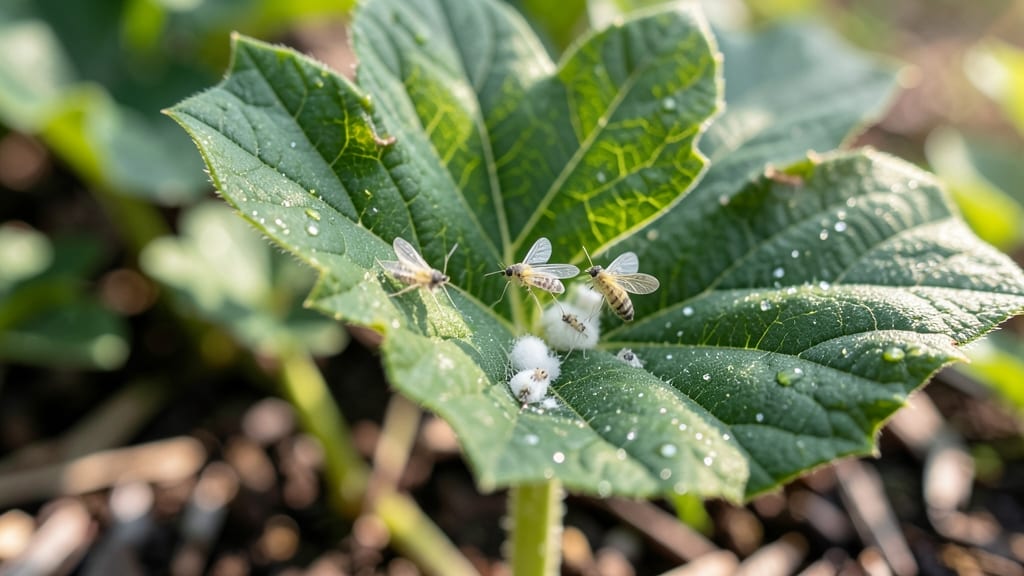
Cotton plants under siege from bugs don’t have to mean ruined harvests. 🌿 I’ve battled everything from bollworms to spider mites in my cotton patch, and these are the strategies that saved my crop—and kept my plants thriving without harsh chemicals.
The first step is knowing your enemy: tiny green aphids, fuzzy spider mites, or those pesky bollworms all leave different clues. Check the undersides of leaves for sticky residue, fine webbing, or chewed holes—those tell you exactly what you’re fighting.
Once you ID the pest, you can pick the right organic spray or companion plant to throw them off.
By the end of summer, your cotton will stand tall and productive, with fewer holes in the bolls and stronger stems. The best part? These methods work for other crops too—tomatoes, peppers, even your prized roses. No more helplessly watching pests destroy your hard work.
Whether you’re growing cotton commercially or just a few plants for fabric, these tricks cut down on damage without sacrificing your garden’s health. Let’s get those bugs under control—naturally.
Root Causes Of Cotton Infestations
When cotton plants become a buffet for plant bugs, it’s rarely just random bad luck. These tiny pests—like Lygus hesperus (the western tarnished plant bug) or Piezodorus guildinii (the green stink bug)—target cotton for specific reasons tied to biology, weather, and farming practices.
Understanding these triggers is the first step to outsmarting them naturally. Here’s why your cotton crop might be under siege:
Plant bugs thrive when cotton plants are already struggling. Overcrowding, poor soil health, or nutrient deficiencies weaken defenses, making plants easier targets. Here’s why:
- Thin cell walls: Stressed plants produce thinner, softer bolls and squares—perfect for bugs to pierce with their stylets (mouthparts) to suck out juices. Research from Texas A&M shows that drought-stressed cotton has 30% more vulnerability to plant bug damage.
- Delayed maturity: Bugs prefer young, tender growth. If plants are stunted (due to poor spacing or compacted soil), they stay in a vulnerable stage longer.
- Root zone issues: Compacted or waterlogged soil limits root growth, reducing the plant’s ability to absorb nutrients. Weak roots = weak resistance.
Actionable fix: Space plants 18–24 inches apart and test soil pH (aim for 6.0–7.0). Add compost or organic matter to improve drainage and nutrient uptake.
Plant bugs are opportunists, and certain weather conditions turn your cotton field into their ideal habitat. Heat, drought, and wind create the perfect storm (literally):
- Drought stress: Lack of water forces plants to conserve resources, making them less able to produce defensive compounds like tannins or alkaloids. Bugs detect these chemical cues and flock to weaker plants.
- Hot, dry winds: These conditions reduce natural predators (like spiders or lacewings) while accelerating bug reproduction. A study in Journal of Economic Entomology found that Lygus bugs multiply 2–3x faster in dry, windy conditions.
- Early planting: Planting cotton too soon exposes it to bugs during their peak activity periods (spring to early summer). Cooler nights slow bug metabolism, but warmer days speed up feeding.
Actionable fix:
- Use drip irrigation to maintain consistent moisture.
- Plant later in the season (if possible) to avoid peak bug activity.
- Encourage natural predators with diverse cover crops (e.g., alfalfa or clover) around field edges.
Plant bugs are less picky than you’d think—they’ll dine on cotton, but they also love weeds, alfalfa, and other broadleaf plants. If your field is a cotton-only zone, you’re basically rolling out the welcome mat:
- No predator diversity: Monocultures lack the biodiversity that supports natural enemies of plant bugs (e.g., parasitic wasps, ground beetles).
- Weed hosts: Fields with pigweed, lambsquarters, or mustards act as bug nurseries. These weeds provide shelter and food before bugs migrate to cotton.
- Reduced competition: Without other plants, bugs don’t have to search for cotton—they find it in dense patches.
Actionable fix:
- Rotate crops with grasses (like sorghum) or legumes to disrupt bug life cycles.
- Mow or till field borders to remove weed hosts.
- Plant trap crops (e.g., sunflowers) far from cotton to lure bugs away.
Ironically, some farming practices invite plant bugs by disrupting the ecosystem. Over-reliance on synthetic pesticides or fertilizers can backfire:
- Pesticide resistance: Frequent use of broad-spectrum insecticides (like pyrethroids) kills off natural predators faster than the bugs themselves, leading to explosive bug populations later.
- Nitrogen overload: Excess nitrogen promotes soft, sugary plant tissue, which bugs adore. It also delays flowering, keeping plants in a bug-friendly growth phase.
- Soil microbial disruption: Heavy chemical use can kill beneficial microbes that help plants fend off pests naturally.
Actionable fix:
- Switch to targeted organic sprays (e.g., neem oil or kaolin clay) to protect predators.
- Use slow-release organic fertilizers (like compost tea) to avoid nitrogen spikes.
- Test soil for beneficial microbes and amend with mycorrhizal fungi or Bacillus thuringiensis (Bt) strains.
Pro Tip: 🔍 Scout early! Check undersides of leaves and squares for tiny eggs (white, rice-like) or adults (1/4-inch, wedge-shaped). Catching bugs in the nymph stage is 10x easier to control than adults.
Quick Fixes for Plant Bug Woes
If tiny bugs are turning your cotton plants into a buffet, don’t panic—there are effective, natural ways to reclaim your crops without harsh chemicals.
Below, we’ve mapped out targeted solutions based on the most common causes of plant bug infestations in cotton, along with prevention tips to keep them from crashing the party again.
When cotton plants are stressed from overcrowding or poor spacing, they become easy pickings for plant bugs. These pests thrive in dense foliage where they can hide and feed undetected.
🍳 How to Fix It
- 🌱 Thin Your Plants: Space cotton plants 18–24 inches apart to improve airflow and reduce hiding spots. Pro tip: Do this early in the season to avoid shocking mature plants.
- 💨 Prune Strategically: Trim back overgrown or damaged leaves to expose bugs to predators like birds, ladybugs, or lacewings. Focus on the undersides of leaves, where bugs love to lurk.
- 🌿 Mulch Wisely: Apply a 2–3 inch layer of organic mulch (straw or grass clippings) to smother weeds (which attract bugs) and retain moisture, making plants less stressed.
🔥 Prevention Tips
- 🌱 Start with Strong Seedlings: Use disease-resistant cotton varieties and harden off seedlings before transplanting to boost their resilience.
- 📅 Rotate Crops: Avoid planting cotton in the same spot yearly—this disrupts bug life cycles. If space is limited, interplant with marigolds or basil, which repel pests naturally.
- 🌡️ Monitor Moisture: Overwatering weakens plants, making them bug magnets. Water at the base and aim for 1–1.5 inches per week.
If you’ve already spotted visible damage (stunted growth, yellowing leaves, or sticky residue), it’s time for aggressive but gentle intervention. Plant bugs multiply quickly, so act within 3–5 days of first sighting.
👨🍳 Natural Remedies That Work
- 🌿 Neem Oil Spray: Mix 1 tbsp neem oil + 1 tsp mild soap + 1 quart water. Spray early morning or late evening to avoid harming bees. Reapply every 5–7 days until bugs disappear.
- 🍋 Vinegar & Soap Solution: Combine 1 gallon water + 1 cup white vinegar + 1 tbsp castile soap. Spray directly on bugs (avoid flowers to protect pollinators). Best for severe infestations—use sparingly.
- 🐞 Introduce Beneficial Bugs: Release lacewings, ladybugs, or minute pirate bugs (available at garden centers). These predators devour plant bugs within days!
⏰ Timing Matters
- 🌅 Early Morning or Sunset: Spray when temperatures are below 85°F to minimize plant stress.
- 🔄 Repeat Applications: Most natural sprays last 3–5 days. Consistency is key—don’t skip treatments!
✨ Prevention for Next Season
- 🌱 Crop Rotation: Plant non-host crops (like beans or corn) in infested areas the following year.
- 🌿 Companion Planting: Surround cotton with garlic, onions, or thyme—their strong scents deter plant bugs naturally.
- 🧹 Clean Up Debris: Remove fallen leaves and plant residue after harvest to eliminate hiding spots for overwintering bugs.
For sustainable protection, focus on soil health and plant strength. Healthy cotton plants resist pests better than weakened ones.
📊 Boost Plant Immunity
- 💪 Compost Tea Fertilizer: Brew compost tea (steep compost in water for 24–48 hours, strain) and foliar-spray it weekly. This enhances natural defenses.
- 🍎 Balanced Nutrition: Use a low-nitrogen, high-phosphorus fertilizer (like 5-10-10) to promote root and flower health.
- 🌱 Interplant with Traps: Grow nasturtiums or radishes nearby—plant bugs prefer these over cotton!
🎯 Early Detection = Easier Wins
- 🔍 Inspect Weekly: Check undersides of leaves and new growth for eggs or tiny bugs (size of a pinhead).
- 📸 Document Damage: Take photos of early signs (like speckled leaves) to track progress after treatments.
With these practical, plant-friendly fixes, you’ll send plant bugs packing without sacrificing your cotton crop’s health—or your peace of mind. 🌱✨ Remember: The key is acting fast and keeping plants thriving!
Frequently asked questions about cotton plant bugs
What do plant bugs look like on cotton plants?
Adult plant bugs are tiny (1/4-inch) with wedge-shaped bodies and wedge-shaped heads. Look for green, brown, or gray adults hiding on leaf undersides or in flower buds. Nymphs are even smaller (1/16-inch) and often yellow or white with black markings. Check for speckled leaves or sticky residue (honeydew) on foliage.
How do I tell if my cotton plants have plant bugs?
Watch for stunted growth, yellowing leaves, or distorted squares/bolls. Tiny white eggs (rice-like) on leaf undersides or chewed holes in young leaves are dead giveaways. Examine new growth first—bugs target tender parts. If you see black sooty mold on leaves, that’s a sign of honeydew from feeding bugs.
Are plant bugs harmful to cotton crops?
Yes! Plant bugs pierce plant tissues to feed, causing direct damage to squares and bolls. This leads to poor fiber quality and reduced yield. Severe infestations can kill young plants or cause aborted flowers. The earlier you act, the less damage occurs—bugs do most harm during flowering and boll formation stages.
Can I use chemical pesticides on cotton plants?
While chemical pesticides like pyrethroids or carbaryl work fast, they can kill beneficial predators (like ladybugs) and harm pollinators. For organic cotton, stick to neem oil, kaolin clay, or Bt (Bacillus thuringiensis). If chemicals are necessary, use spot treatments and targeted sprays (like pyrethrin) during late evening to protect bees.
How often should I check my cotton plants for bugs?
Inspect plants weekly during the growing season, focusing on leaf undersides and new growth. After rain or when plants are stressed, check every 3–4 days. Early detection is key—nymphs are easier to control than adults. Use a hand lens (10x magnification) for better visibility of tiny eggs or bugs.