
Planting
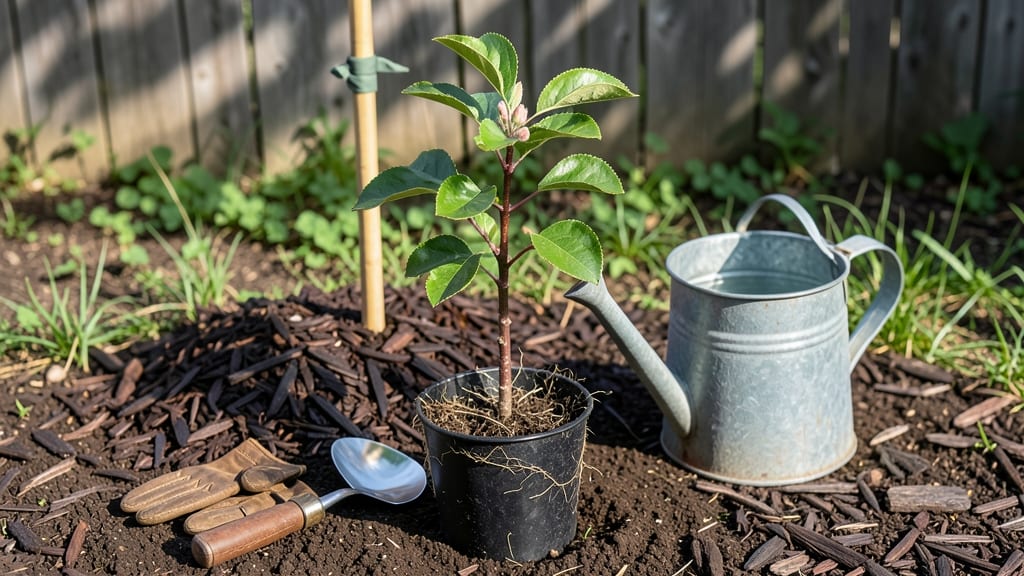
Planting a tree on Earth Day isn't just about the moment—it's about the decades of shade, oxygen, and wildlife support that follow. 🌱 I've planted trees on Earth Day for years, and every single one reminds me that even small actions grow into something meaningful over time.
April 22 lands perfectly in many climates: soil warms enough for roots to establish, but summer heat hasn't arrived yet to stress young plants.
Start with a native species—like serviceberry, redbud, or Eastern white pine—because they thrive with minimal fuss and support local ecosystems. Dig a hole twice as wide as the root ball but no deeper, then mix in some compost before placing the tree.
Water deeply right after planting, then again every other day for the first two weeks to help roots settle in.
What you're really planting is a future: a cooler neighborhood, cleaner air, and a home for birds and bees. A mature tree absorbs about 48 pounds of CO₂ per year, and even a small tree planted today will be sequestering carbon for generations.
The best part? You'll see it grow every spring, a living reminder of your Earth Day commitment.
No yard? No problem—community gardens, parks, and even large containers work for smaller trees. The key is getting that first root in the ground before summer arrives. Here's how to make it happen without overcomplicating things.
📚 In This Guide
- What you need
- Instructions
- Tips and common mistakes
- Wrapping up and next steps
What you need
- ● Tree sapling: Choose a native, disease-resistant species (e.g., oak, maple, or fruit trees). Quantity: 1 per planting site.
- ● Shovel or trowel: A 12–18-inch digging tool for planting holes.
- ● Watering can or hose: With a gentle spray nozzle for hydrating roots.
- ○ Mulch (optional but recommended): 2–3 inches of shredded bark or compost to retain moisture.
- ● Gloves: Heavy-duty work gloves to protect your hands.
- ● Pruning shears: For trimming dead branches (sterilized with rubbing alcohol).
- ● Stakes & ties: To support young trees in windy areas.
- ● Soil amendment: Compost or peat moss to improve drainage (if soil is poor).
- ● Tree guard: A protective wrap to shield the trunk from pests.
- ● Wheelbarrow: For hauling mulch or soil.
- ● A sunny or partially shaded spot with 6+ feet of clearance (adjust for tree size).
- ● Access to water (a nearby spigot or portable water source).
- ● Check local planting regulations—some areas require permits for large trees!
Step-by-step instructions for planting a tree on Earth Day
Celebrate the planet by planting a tree the right way—strong roots and lasting impact.
🌱 Step 1: Choose the Right Tree and Location
Pick a native tree suited to your climate—it’ll thrive with less care and support local wildlife. I always check the USDA Plant Hardiness Zone map to match the tree’s needs with my area. For Earth Day, consider fast-growing species like red maple, silver birch, or eastern white pine, which provide quick shade and habitat.
Find a spot with at least 6 feet of clearance in all directions for mature growth. Avoid low areas where water pools or power lines that could interfere as the tree grows. Test the soil by digging a 12-inch hole—if it’s rocky or compacted, amend with 2-3 inches of compost mixed into the top layer. This ensures roots have room to spread and access nutrients right from the start.
🪴 Step 2: Dig the Hole and Prepare the Tree
Dig a hole twice as wide as the root ball but only as deep as the container or root ball itself. The top of the root ball should sit 1-2 inches above ground level—burying it too deep suffocates the roots. I use a shovel to loosen the sides of the hole, creating a "funnel" shape so roots can grow outward naturally.
Remove the tree from its container and gently loosen any circling roots with your fingers. If the roots are tightly bound, score the root ball with a knife to encourage outward growth. Place the tree in the hole so it stands straight—tap the sides of the hole lightly to settle the soil without compacting it. The hole should feel snug but not cramped.
💧 Step 3: Plant and Water Deeply
Fill the hole with soil, tamping it down lightly every 2 inches to remove air pockets. Stop when the hole is about half full, then water the tree deeply to settle the soil. This step prevents gaps that could dry out roots. I use a hose with a gentle spray setting to avoid dislodging the tree.
Finish filling the hole, creating a 2-inch-high berm of soil around the edges to direct water toward the roots. Water again until the soil is moist 12 inches down. Mulch the area with 2-3 inches of organic mulch, keeping it 6 inches away from the trunk to prevent rot. This mulch ring helps retain moisture and regulates soil temperature—critical for young trees in hot or cold climates.
☀️ Step 4: Stake and Protect for Long-Term Growth
Stake the tree only if it’s top-heavy or in a windy location. Use two stakes placed 6-12 inches from the trunk and tie the tree loosely with soft fabric strips—never wire, which can girdle the trunk as it grows. The goal is to let the tree sway slightly in the wind to strengthen its stem.
Install a protective tree guard if local wildlife (like deer or rabbits) might browse the young tree. I’ve seen saplings completely stripped in a single night—better to prevent damage than mourn a loss. Water the tree once a week for the first month, then taper to every 2-3 weeks once established, depending on rainfall. Deep watering encourages deep root growth, which makes trees resilient during droughts.
⏰ Step 5: Monitor and Maintain Through the First Year
Check the tree weekly for signs of stress—yellowing leaves, wilting, or fungal spots on the trunk or soil. Most issues stem from overwatering, poor drainage, or pests. If you spot aphids or spider mites, spray with a soapy water solution (1 tablespoon mild dish soap per gallon of water) to protect the tree without harming beneficial insects.
In the first year, avoid pruning unless you see dead or diseased branches. Let the tree focus on root and trunk growth. By Earth Day next year, your tree will be a thriving symbol of your commitment—just imagine the shade, wildlife, and clean air it’ll provide for decades. That’s the kind of legacy planting a tree on Earth Day delivers.
Tips & tricks for perfect tree planting on Earth Day
Planting a tree isn't rocket science, but these little-known tricks will help your sapling grow into a strong, thriving symbol of your Earth Day commitment.
Location Intelligence: Sunlight matters more than you think. Most trees need at least 6 hours of direct sunlight daily—check your yard's sunlight patterns for a week before planting. I've seen trees struggle in spots that seem sunny but get blocked by neighboring structures or large plants. Also, avoid planting near sidewalks or driveways where roots might crack pavement later.
Root Ball Rescue: When removing your tree from the container, don't just pull it out—gently squeeze the sides to loosen the root ball first. If roots are circling tightly, use a knife to make 2-3 vertical cuts around the root ball to encourage outward growth. This simple step prevents girdling, where roots strangle the tree as it grows. I learned this the hard way after losing two saplings to root-bound stress.
Watering Wisdom: That first deep watering after planting is critical—aim to moisten the soil 12 inches down. Use a trowel to check moisture; if it's dry at that depth, water again. The 2-inch-high berm you create around the edges directs water exactly where it's needed. Pro tip: Water in the early morning so moisture evaporates slowly and reaches deeper into the soil.
Mulch Magic: Organic mulch isn't just for looks—it's a game-changer for young trees. The 2-3 inches you apply should be spread in a donut shape, keeping it 6 inches away from the trunk. This prevents rot while locking in moisture. I recommend wood chips or shredded bark, which break down slowly and improve soil quality over time. Avoid fresh wood chips, which can draw moisture away from roots.
Pro Tips for Plant A Tree On Earth Day
- Planting a tree isn't rocket science, but these little-known tricks will help your sapling grow into a strong, thriving symbol of your Earth Day commitment.
- Location Intelligence: Sunlight matters more than you think.
- Root Ball Rescue: When removing your tree from the container, don't just pull it out—gently squeeze the sides to loosen the root ball first.
Frequently asked questions
Got questions about planting a tree on Earth Day? You’re not alone! Here are some common concerns—and straightforward answers—to help you get started with confidence.
What’s the best type of tree to plant for Earth Day?
Choose native species! They thrive in your local climate, support wildlife, and require less maintenance. Fast-growing options like red maple or silver birch are great for quick impact. Check with local nurseries or conservation groups for region-specific recommendations.
Can I plant a tree on Earth Day if it’s not the ideal season?
While spring is ideal for most trees, Earth Day (April 22) can work if you pick the right species. Cool-season trees (like oak or pine) do well planted in early spring, while warm-season varieties (e.g., crepe myrtle) may need a head start in containers. Just water deeply and mulch well!
How much does it cost to plant a tree on Earth Day?
Costs vary widely. A sapling from a nursery typically ranges from $10–$50, while larger trees or professional planting services can cost $100–$500+. Many communities offer free tree giveaways or discounts on Earth Day—check local parks or environmental groups for deals!
What if I don’t have a yard? Can I still participate?
Yes! Urban dwellers can:
- Adopt a tree through community programs (e.g., Arbor Day Foundation).
- Plant in containers on balconies or rooftops (dwarf fruit trees or herbs work well!).
- Volunteer at a local park or school planting event.
- Donate to reforestation projects (e.g., Eden Reforestation).
My tree isn’t growing—what went wrong?
Common issues and fixes:
Problem
Solution
Yellow leaves
Overwatering or poor drainage. Adjust watering and amend soil with compost.
Wilting
Underwatering or root damage. Mulch to retain moisture and check roots for pests.
No new growth
Nutrient deficiency. Fertilize lightly in spring or test soil pH.
When in doubt, consult a local arborist or extension service!
Wrapping up and next steps
Planting a tree on Earth Day isn’t just about digging a hole—it’s a powerful step toward healing our planet, one root at a time. 🌱 Whether you’re a gardening pro or a beginner, your effort makes a real difference in restoring ecosystems, combating climate change, and inspiring others to act.
So, grab your shovel, rally your community, and let this small action grow into a movement!
Your next step: Share your tree-planting journey on social media with #PlantATreeOnEarthDay—tag local environmental groups or friends to plant together! Every tree starts with one seed, but together, we can grow a forest of change.