
Planting
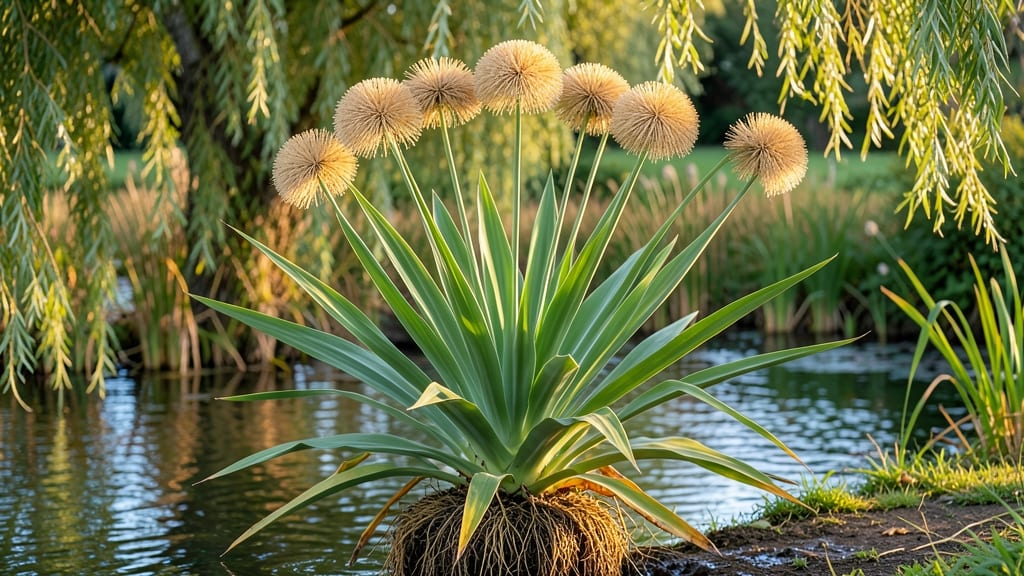
Transform your pond into a tropical oasis with papyrus—this lush water plant thrives where others fail, adding drama and texture year-round. 🌿 I’ve grown it for years, and the secret isn’t complicated: it’s all about the water depth and sunlight. Too shallow? It flops.
Too deep? It drowns. But get it right, and you’ll have a 6-foot-tall statement piece that outshines any koi or fountain. The plant loves 3–12 inches of water and full sun, but it’s forgiving once established.
Mine grows in a 55-gallon pond, and it’s been the star since day one. The feathery plumes sway in the breeze, creating movement that makes the whole space feel alive—no extra pumps or decorations needed. Once happy, papyrus spreads easily, filling gaps and creating natural privacy.
It’s drought-tolerant once rooted, so forget weekly water checks. Just trim back brown fronds in early spring, and it’ll bounce back with fresh growth by summer. Perfect for small ponds, water gardens, or even large containers. Here’s how to set it up without the guesswork—no green thumb required!
📚 In This Guide
- What you need
- Instructions
- Tips and common mistakes
- Wrapping up and next steps
What you need
- ● Papyrus plants (Cyperus papyrus): 3–5 mature plants (3–4 feet tall) or 10–15 young plants (1–2 feet tall) for a fuller look.
- ● Pond or container: A water feature with a minimum depth of 12–18 inches (deeper for larger plants). Ensure it’s at least 2 feet wide to accommodate papyrus growth.
- ● Pond soil or substrate: 2–3 inches of nutrient-rich, clay-based soil or aquatic planting mix (e.g., Miracle-Gro Water Gardening Soil).
- ● Gravel or pebbles: 1–2 inches of 1/4–1/2 inch washed gravel to anchor plants and deter algae.
- ● Water: Dechlorinated (use a pond dechlorinator if tap water is used).
- ○ Pond fertilizer (optional but recommended): Slow-release aquatic plant tabs (e.g., Aquascape Plant Tabs) for nutrient boost.
- ● Garden trowel or pond plant spacer: For gentle soil placement around roots.
- ● Gloves (waterproof recommended): To protect hands from sharp edges and moisture.
- ● Measuring tape or ruler: To ensure proper spacing (plant 12–18 inches apart).
- ○ Water testing kit (optional): To monitor pH (ideal: 6.0–7.5) and hardness for optimal growth.
- ● Floating plants (e.g., water lilies): To provide shade and reduce algae.
- ● Pond dye or barley straw: To keep water clear and inhibit algae growth.
- ● Decorative rocks or logs: For a natural, aesthetic touch around the pond edges.
- ● Pond pump (if no natural circulation): To maintain oxygen levels and prevent stagnation.
How to plant and maintain papyrus for a stunning year-round water feature
This tall, graceful plant transforms any pond into a tropical retreat—here's how to grow it successfully.
🪴 Step 1: Select the Perfect Pond Location
Papyrus thrives in 3-6 feet of water depth with full sun exposure for at least 6 hours daily. Choose a spot with gentle water movement—strong currents will stress the plant. I always test the depth first by sinking a weighted rope with measurements, since papyrus roots need to stay submerged but the crown should sit just below the surface.
If your pond has fish, ensure the area has soft, nutrient-rich sediment—papyrus grows best when planted in 6-12 inches of organic muck at the bottom. Avoid rocky substrates, which restrict root development. The ideal location balances sun, depth, and soil quality for maximum growth.
🌱 Step 2: Plant Crowns at the Right Depth
Purchase healthy papyrus crowns with multiple stems and firm, white roots. Plant them in early spring when water temperatures reach 60°F or higher. Use a weighted basket or clay pot to anchor the crown 1-2 inches below the water surface—this keeps the base submerged while allowing the leaves to rise elegantly.
Space plants 18-24 inches apart to give each crown room to develop its signature 4-8 foot tall foliage. I like to plant in clusters of 3-4 for a natural look. Press the surrounding sediment gently around the roots to secure the plant without compacting it—papyrus roots need oxygen, so avoid heavy tamping.
☀️ Step 3: Provide Consistent Sun and Nutrients
Papyrus grows fastest in full sun, but it tolerates partial shade if given extra nutrients. In shadier spots, I add a slow-release aquatic fertilizer tablet near the roots every 6-8 weeks during the growing season. The plant will reward you with lush, feathery plumes that stay vibrant all year in warm climates.
Watch for yellowing leaves—this usually means the plant needs more light or nutrients. If the water level drops too low in summer, the crown may dry out. Keep a minimum 6 inches of water above the roots at all times, especially in hot weather. A small water feature with a recirculating pump helps maintain consistent moisture.
✂️ Step 4: Prune and Divide for Healthy Growth
Prune papyrus in late winter or early spring before new growth begins. Cut back any dead or brown fronds at the base with clean bypass pruners. Never remove more than one-third of the plant at once—this keeps the crown strong for regrowth. I also trim any stems that lean too far over the water to maintain an upright, balanced appearance.
Every 2-3 years, divide mature papyrus plants to prevent overcrowding. Gently dig up the crown and separate it into 3-5 stem sections, each with its own root system. Replant the divisions immediately in fresh locations—papyrus spreads quickly and can become invasive if left unchecked. The divided plants will establish just as vigorously as the original.
⏰ Step 5: Prepare for Winter in Cold Climates
In zones with frost, papyrus may die back to the ground but will regrow from the roots in spring. To protect it, trim all foliage to 6 inches tall in late fall, then cover the crown with 1-2 inches of mulch or aquatic plant cover. This insulation prevents freezing damage while allowing water circulation.
In subtropical or tropical zones, papyrus remains evergreen year-round with minimal care. Just monitor for pests like aphids—a strong spray of water usually removes them. If your pond freezes completely, wait until the ice melts before pruning or fertilizing, as cold-stressed plants are more vulnerable to disease.
Tips & tricks for perfect papyrus pond plant
Common pitfalls—and how to sidestep every one—when growing papyrus for that tropical pond vibe.
Location is Everything: The 3-6 foot depth range is non-negotiable for papyrus roots. I learned this the hard way when my first attempt in shallower water resulted in limp, struggling plants. Use a weighted rope to mark your ideal planting zone—this ensures the crown stays submerged while the leaves rise elegantly above water. The gentle water movement mentioned in Step 1 isn't just preference; it mimics papyrus' natural habitat and prevents stress on the stems.
Seasonal Timing Matters: Planting in early spring when water reaches 60°F or higher gives your papyrus the best start. I always check my pond thermometer before planting—cold water can shock the roots. The 1-2 inches below water surface guideline is crucial; this positioning prevents the crown from drying out while allowing those signature feathery plumes to develop properly. Pro tip: Plant in clusters of 3-4 for that natural, tropical look mentioned in Step 2.
Nutrient Strategy: The 6-8 week fertilizer schedule in Step 3 works wonders, but here's what nobody tells you: In partial shade, I double the fertilizer dose during peak summer months. Yellowing leaves? First check your sun exposure—papyrus in full sun should have vibrant green foliage. If the issue persists, that's your cue to add more slow-release tablets. And remember, the minimum 6 inches of water above roots is critical during hot weather—this prevents the crown from drying out.
Winter Prep Secret: That 6-inch trim in late fall might seem drastic, but it's essential for protecting your papyrus through frost. I cover the crowns with 1-2 inches of aquatic plant cover (not regular mulch—it can leach chemicals into the water). This insulation works like a blanket while still allowing water circulation. In tropical zones, I still trim back the foliage to 6 inches but skip the covering—it's all about balancing protection with natural growth patterns.
Pro Tips for Papyrus Pond Plant
- Common pitfalls—and how to sidestep every one—when growing papyrus for that tropical pond vibe.
- Location is Everything: The 3-6 foot depth range is non-negotiable for papyrus roots.
- Seasonal Timing Matters: Planting in early spring when water reaches 60°F or higher gives your papyrus the best start.
Frequently asked questions
Got questions about keeping your papyrus pond plant happy and thriving? Here are some of the most common ones—plus straightforward answers to help you avoid common pitfalls!
How often should I trim my papyrus plant?
Trim your papyrus once or twice a year to maintain its shape and encourage bushier growth. Focus on removing dead or brown fronds in early spring, and lightly prune leggy stems in late summer. Avoid over-trimming—papyrus is resilient but benefits from a natural, full look!
Can papyrus survive in cold climates?
While papyrus prefers warm temperatures (60°F+), it can tolerate brief cold snaps if the roots stay in at least 3–4 inches of water. In freezing zones, grow it in containers and move it indoors or to a greenhouse during winter. If left outdoors, mulch the pond edges to insulate the roots.
Is papyrus safe for fish and wildlife?
Papyrus provides excellent habitat for fish, frogs, and birds, thanks to its dense foliage and shallow roots. Just avoid overcrowding—leave space for swimming and foraging. Its air-purifying qualities also make it a great addition to koi ponds or wildlife-friendly water features.
What’s the best alternative if papyrus is too tall for my space?
If height is a concern, consider dwarf papyrus (Cyperus papyrus 'Nana'), which maxes out at 3–4 feet. Other low-maintenance pond plants like soft rush (Juncus effusus) or blue flag iris (Iris versicolor) also offer similar textures without the dramatic stature. All thrive in similar conditions!
Why is my papyrus turning brown at the tips?
Brown tips usually signal underwatering, nutrient deficiency, or salt buildup from tap water. Flush the pond with fresh water, add a balanced aquatic fertilizer, and ensure the roots stay submerged. If the issue persists, check your water’s pH—papyrus prefers neutral to slightly alkaline (6.5–7.5) conditions.
Wrapping up and next steps
Transforming your pond into a thriving, year-round oasis with papyrus pond plants is easier—and more rewarding—than you think! 🌿 From their striking vertical growth to their natural filtration benefits, these plants add beauty and function to any water feature.
Whether you’re a seasoned gardener or just starting out, their low-maintenance nature makes them a fantastic choice.
Ready to dive in? Start small—pick a sunny spot, gather your supplies, and plant your first stalk. Before you know it, your pond will be a lush, serene retreat that turns heads (and maybe even inspires your neighbors to get planting too!). Happy growing! 🌊