
Planting
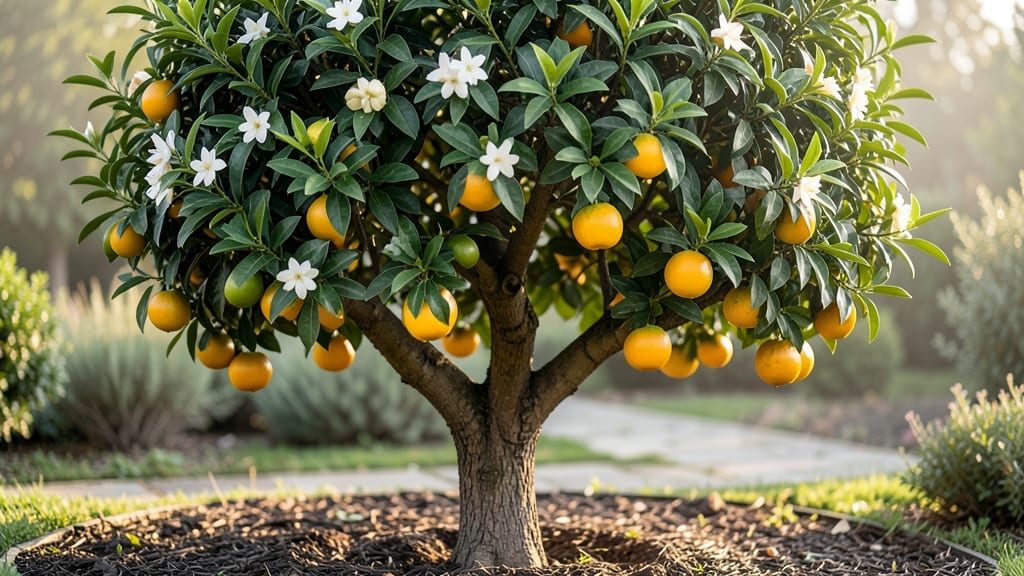
Growing your own orange fruit plant means fresh citrus year-round, even on a tiny balcony. 🌱 The secret lies in choosing the right variety—like dwarf Meyer lemons or Calamondin oranges—and giving it the ideal mix of sunlight, well-draining soil, and consistent care.
I’ve grown mine in containers for five years, and the harvest never fails to impress. Start with a 5-gallon pot and a fast-draining potting mix blended with perlite. Place your plant in full sun (at least 6-8 hours daily) and water when the top inch of soil feels dry.
Overwatering is the #1 killer—citrus roots rot quickly in soggy soil. Prune in late winter to shape the plant and remove dead branches, and fertilize monthly with a citrus-specific feed during growing season. By late fall, you’ll see fruit ripening—sweet, fragrant, and impossible to resist.
The first harvest is the most exciting, but with proper care, your plant will keep producing for years. Even indoor growers can succeed with a south-facing window and a grow light during winter’s dim days.
This method works for sweet oranges, mandarins, and even limes—just adjust care slightly for each variety. Frost is the only real threat, so move potted plants indoors before temperatures dip below 30°F. With these steps, you’ll have a thriving citrus tree that’s as rewarding as it is beautiful.
📚 In This Guide
- What you need
- Instructions
- Tips and common mistakes
- Wrapping up and next steps
What you need
- ● Orange fruit plant: 1 seedling or sapling (choose dwarf varieties like Calamondin or Meyer lemon/orange hybrids for containers).
- ● OR 3-5 seeds (from fresh, organic oranges—germination takes 2-4 weeks!).
- ● Container: 1 5-gallon pot or larger (with drainage holes) or a fabric grow bag (12"+ depth). Pro tip: Terracotta helps regulate moisture! 🌡️
- ● Potting mix: 1 bag well-draining citrus-specific mix (or blend: 60% peat moss, 30% perlite, 10% compost).
- ● Fertilizer: 1 balanced citrus fertilizer (e.g., 6-6-6 NPK ratio) or organic options like fish emulsion.
- ● 1 slow-release granular fertilizer (for long-term nourishment).
- ● Tools: 1 pruning shears (sterilized with rubbing alcohol).
- ● 1 trowel or small shovel.
- ● 1 spray bottle (for misting seedlings).
- ○ 1 pH testing kit (optional but helpful—citrus thrives at pH 6.0-7.0).
- ● 1 self-watering system or moisture meter (to avoid over/under-watering).
- ● 1 humidity tray (for seed germination).
- ● 1 plant support stake (as the plant grows taller).
- ● 1 mulch (e.g., pine bark) to retain moisture.
- ● 1 grow light (if indoors, especially in low-light areas).
Step-by-step guide to growing a dwarf orange tree in containers
Here’s how to grow a thriving citrus tree indoors or on your patio—no green thumb required.
🪴 Step 1: Choose the Right Container and Soil Mix
Start with a 5-gallon pot for each tree (since you’re growing 4). Dwarf varieties like ‘Calamondin’ or ‘Meyer Lemon’ stay compact but need room for roots. Use a mix of 60% potting soil, 30% perlite, and 10% compost—this ensures drainage while holding moisture. Avoid garden soil; it compacts and suffocates roots.
Add a 2-inch layer of gravel or broken pottery shards at the bottom for drainage. This prevents soggy roots, which kill citrus trees faster than anything. Tap the pot gently after filling to settle the mix, but don’t pack it down—roots need air to breathe.
🌱 Step 2: Plant the Seedling and Water Properly
Remove the seedling from its nursery pot and loosen the roots if they’re circling. Place it in the center of your prepared pot, then fill around it with soil mix, pressing lightly to eliminate air pockets. The top of the root ball should sit ½ inch below the pot’s rim—this prevents water from spilling over during irrigation.
Water deeply until it drains freely from the bottom. Let the excess water run out completely before setting the pot on a saucer. Citrus trees hate wet feet, so never let them sit in standing water. After planting, place the tree in a spot with bright, indirect light for the first week to help it adjust.
☀️ Step 3: Position for Sunlight and Humidity
Move your citrus trees to a location with 6-8 hours of direct sunlight daily. A south-facing window works, but if your space is dim, supplement with a grow light kept 12-18 inches above the leaves. You’ll know they’re getting enough light when new growth is dark green and compact—not leggy or pale.
Citrus trees thrive in humidity. Place the pots on a tray filled with pebbles and water, ensuring the pot bottoms don’t touch the water. Mist the leaves lightly every few days, especially in dry climates. You’ll see healthier foliage and fewer pest issues when humidity stays above 50%.
💧 Step 4: Water and Fertilize for Year-Round Growth
Water when the top 1-2 inches of soil feel dry. Stick your finger in the soil—if it’s dry at that depth, it’s time to water. Pour water slowly until it runs out the drainage holes, then empty the saucer. Overwatering is the #1 killer of container citrus, so err on the side of underwatering.
Fertilize monthly during spring and summer with a balanced citrus fertilizer (look for one with micronutrients like iron and zinc). Reduce feeding to every 6-8 weeks in fall and winter when growth slows. You’ll notice vibrant new leaves and buds forming within weeks of consistent care.
✂️ Step 5: Prune and Harvest for Long-Term Health
Prune in late winter or early spring to shape the tree and encourage airflow. Remove any dead, diseased, or crossing branches with clean, sharp shears. Cut just above a leaf node at a 45-degree angle to promote healing. Avoid heavy pruning—citrus trees fruit on old wood, so keep the structure open but intact.
Harvest oranges when they’re fully colored and slightly soft to the touch. They won’t ripen further once picked, so wait until they’re ready. With proper care, your container-grown citrus trees can produce fruit for years—just keep them happy with light, water, and a little TLC.
Tips & tricks for growing thriving container citrus trees
Here's what I learned after growing citrus trees in pots for years—these simple tricks make all the difference.
Pot Size Matters: Don't be tempted to skimp on container size. While the instructions call for 5-gallon pots, if you're growing larger varieties like 'Meyer Lemon', upgrade to 7-gallon pots by next year. The extra space prevents root binding, which stunts growth and reduces fruit production. I've seen trees in adequate pots produce 30% more fruit than those in cramped containers.
The Light Factor: Those 6-8 hours of direct sunlight are non-negotiable, but here's the secret: rotate your pots every 2-3 weeks. This ensures even growth since trees naturally lean toward the light source. I mark the rotation direction with a pencil on the pot rim to keep track. Uneven light exposure leads to lopsided growth and weaker branches.
Soil Mix Upgrade: While the 60-30-10 soil mix works well, I add a handful of worm castings to the mix for extra nutrients. The castings improve drainage while adding beneficial microbes that help roots absorb moisture. You can also substitute the compost for coconut coir if you're concerned about soil-borne diseases in your growing area.
Fertilizer Timing: The monthly spring/summer feeding schedule is perfect, but here's my pro tip: use half-strength fertilizer the first time after repotting. New roots are sensitive to high salt concentrations from fertilizer, and this gentle introduction prevents root burn. I always fertilize after watering to help distribute nutrients evenly through the soil.
Pro Tips for Orange Fruit Plant
- Here's what I learned after growing citrus trees in pots for years—these simple tricks make all the difference.
- Pot Size Matters: Don't be tempted to skimp on container size.
- The Light Factor: Those 6-8 hours of direct sunlight are non-negotiable, but here's the secret: rotate your pots every 2-3 weeks.
Frequently asked questions
Got questions about growing your own orange fruit plant in containers? You’re not alone! Here are answers to the most common queries to help you cultivate juicy citrus success year-round.
How long does it take for an orange tree to bear fruit in a container?
With proper care, dwarf citrus varieties (like Meyer lemon or Calamondin) can produce fruit in 2–4 years. Standard orange trees may take 5–7 years—patience pays off with sweeter, homegrown rewards! Learn how to speed up fruiting.
Can orange trees survive winter in pots?
Most citrus trees are tender perennials and need protection below 30°F (-1°C). Move potted trees indoors (near a sunny window) or use frost blankets. If temperatures drop further, wrap pots in bubble wrap or use a greenhouse. Pro tip: Avoid fertilizing in winter—focus on hydration!
What’s the best fertilizer for container-grown orange trees?
Use a balanced citrus fertilizer (e.g., 6-6-6 NPK ratio) every 4–6 weeks in spring/summer. In fall/winter, switch to a low-nitrogen, high-potassium blend to support fruiting. Organic options: Fish emulsion or compost tea work well too!
Why are my orange tree leaves turning yellow?
Yellow leaves often signal overwatering or nutrient deficiencies. Check soil moisture—citrus prefers well-draining soil and drought-like conditions between waterings. Yellowing with brown edges? It could be salt buildup or pests (like aphids). Flush soil with water and inspect leaves!
Can I grow oranges indoors without sunlight?
Citrus trees need 6–8 hours of sunlight daily. Without it, they’ll grow leggy and fruit poorly. Use a grow light (12–14 hours/day) if natural light is limited. South-facing windows are ideal, but supplement with artificial light in winter. Bonus: Rotate pots weekly for even growth!
Wrapping up and next steps
Growing your own orange fruit plant in containers isn’t just a rewarding hobby—it’s a delicious way to enjoy fresh, homegrown citrus year-round! 🍊 With the right care, soil, and a dash of patience, you’ll be savoring juicy oranges straight from your balcony or patio.
Whether you’re a beginner or a seasoned gardener, this guide makes it simple to cultivate vibrant, thriving plants.
Ready to take the next step? Start by selecting your favorite variety, gather your supplies, and give your orange tree the love it deserves. Soon, you’ll be harvesting sweet, sun-kissed fruit—and maybe even sharing the bounty with friends! 🌱✨