
Planting
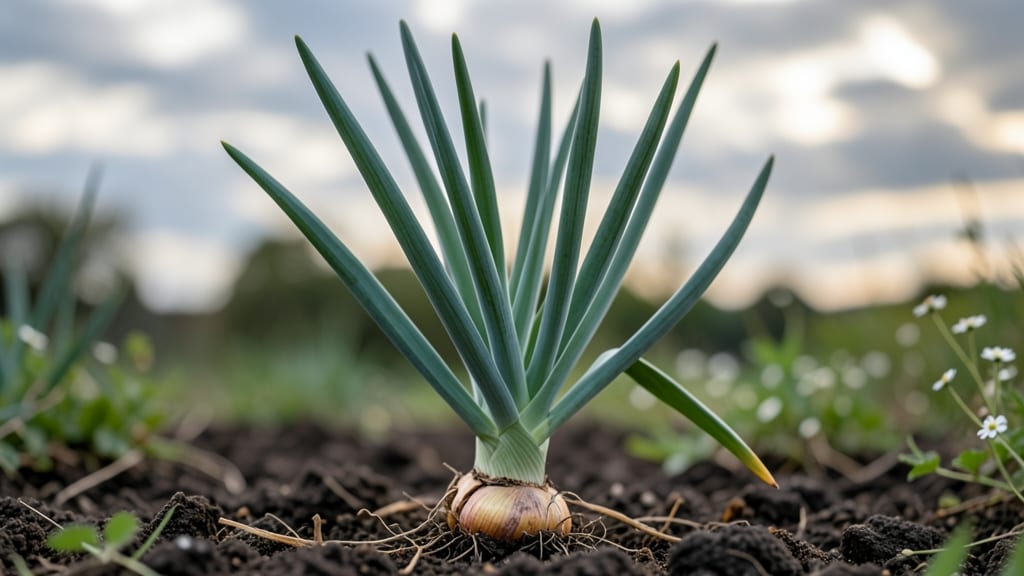
Your onion starts sprouting before you're ready—it's not a disaster, just a sign they're waking up too early. 🌱 I’ve saved dozens of bulbs from this exact problem by understanding why it happens and how to fix it before it’s too late.
The culprit is usually too much warmth, light, or humidity during storage. Onions need a cool (32-40°F), dark, and dry spot to stay dormant. If they’re sprouting, they’ve been exposed to conditions that trick them into thinking spring has arrived.
Here’s the good news: you can still use them! Plant the sprouting onions directly in the garden—they’ll grow into full plants with edible greens and smaller bulbs. Just avoid any that feel soft or moldy, as those are past saving.
For next season, store onions in a well-ventilated mesh bag or open container in a basement or garage. This simple trick keeps them fresh until planting time, ready to grow when you are.
Triggers Behind Sprouting Onions
When your stored onions start sprouting, it’s usually a sign that their natural survival instincts are kicking in—but not necessarily for the best reasons. Understanding the root causes (literally!) helps you prevent waste and extend their shelf life. Here’s why those stubborn green shoots appear and how to stop them.
Onions are perennial plants, meaning they’re biologically programmed to regrow even after harvest. When stored in warm, humid conditions, the bulb detects ethylene gas (a plant hormone) and triggers sprouting as a way to restart growth.
Think of it like a seed waiting for the right moment to burst into life—except you don’t want that moment to be inside your pantry!
💡 Pro Tip: If you notice sprouts, don’t toss the onion yet! The bulb can still be used for cooking (just trim the greens), but the flavor may become sharper and more pungent as it matures.
Onions thrive in cool, dry conditions (ideally 40–50°F). When stored too warm (above 60°F), metabolic activity speeds up, causing the bulb to send nutrients to the sprouts instead of preserving the root.
Conversely, fluctuating temperatures (like a damp basement or garage) can shock the onion into thinking it’s springtime.
📊 Science Breakdown:
Temperature Range
Effect on Onions
Below 32°F
Risk of frost damage; cells rupture, speeding up spoilage.
40–50°F
🟢 Sweet spot: Minimal sprouting, max shelf life (6+ months).
60°F+
⚠️ Danger zone: Sprouting accelerates; bulb softens and rots faster.
Onions are 90% water, but excess humidity (above 65–70% relative humidity) triggers mold and sprouting. When stored in plastic bags or damp containers, moisture seeps into the bulb, creating the perfect environment for botrytis rot (a fungal infection) and hormonal signals to start growth.
✨ Fix It Fast: Move onions to a well-ventilated area (like a mesh bag in a cool, dry pantry) and let them air out for 24 hours. If mold appears, discard the bulb—it’s no longer safe to eat.
Onions are light-sensitive. When exposed to even indirect sunlight, they interpret it as a signal to photosynthesize and grow. This is why onions stored in clear containers or near windows often sprout faster. The green shoots you see? That’s the plant’s way of reaching for light!
🔥 Prevention Hack: Store onions in opaque containers or paper bags (not plastic!) in a dark, dry place. Avoid refrigeration—cold and humidity in fridges accelerate sprouting.
Now that you know the culprits, the next section will show you how to revive (or repurpose) those sprouting onions—without wasting a single bite! 🧅✨
Revive Sprouting Onions Naturally
When your onion bulbs start sprouting, it’s not just a sign of life—it’s a chance to breathe new life into your harvest! Whether the issue stems from dormancy, improper storage, or environmental stress, these practical solutions will help you salvage your onions while preventing future sprouting.
Below, we’ve mapped out cause-specific fixes and prevention tips to keep your onions fresh and ready for use.
Onions sprout when they sense warmth and moisture, breaking their dormant state. If your bulbs are waking up too soon, try these steps:
🔥 Re-Dry the Bulbs (For Short-Term Use)
If you need the onions soon but want to slow sprouting:
- 👨🍳 Spread them out in a single layer on a wire rack or clean towel.
- 🌡️ Place in a dry, well-ventilated spot (like a pantry or basement) away from direct sunlight.
- ⏰ Check daily and flip them to ensure even drying.
Aim for 3–5 days to firm them up. - ✨ Store in a mesh bag (not plastic!) in a cool, dark place (50–60°F) to extend freshness.
Pro Tip: 💡 If the sprouts are tiny, you can snip them off—the bulb will still be usable for cooking!
🥗 Use Them Quickly (Best for Cooking) Sprouting onions are still edible!
Here’s how to maximize their flavor: - 🍳 Chop and cook immediately—sautéing or caramelizing masks the bitterness from sprouting. - 🥘 Blend into soups, stews, or sauces where texture matters less. - 🔪 Avoid raw use (like salads) if sprouts are long—they can taste sharp.
If your onions are stored too warm or damp, they’ll sprout faster. Reset their environment with these steps:
🌡️ Adjust Storage Conditions
- 🏠 Move to a cooler, darker space—ideally 40–50°F (a root cellar, garage, or fridge crisper drawer works).
- 💨 Improve airflow by storing them in a basket or mesh bag (never sealed plastic!).
- 🌡️ Check humidity—if your storage area feels damp, add a dehumidifier or silica gel packets nearby.
Pro Tip: 🔥 Never refrigerate whole onions long-term—they’ll turn sweet and mushy!
🧂 Try a Quick Salt Cure (For Long-Term Storage)
If your onions are already sprouting but still firm:
- 🔪 Trim off any long sprouts (leave tiny ones if you’re in a hurry).
- 🧂 Sprinkle lightly with salt (1 tsp per pound of onions) to draw out moisture.
- 🌡️ Let sit in a single layer for 1–2 hours, then re-dry as above.
If your onions are past their prime, sprouting is a sign they’re breaking down. Here’s how to handle them:
🗑️ Compost or Regrow (If Still Viable)
- 🌱 For green onions: If the sprouts are long and leafy, cut the bulb off and place it in 1 inch of water.
Keep in sunlight—new green onions will regrow in 1–2 weeks! - 🗑️ For rotting bulbs: If the onion is soft or moldy, discard it—composting is best to avoid spreading spoilage.
Pro Tip: ✨ Save the outer papery layers—they’re perfect for fermenting onions or using as a natural plant mulch!
📅 Prevent Future Waste with Proper Harvesting
- 🌿 Harvest onions when tops yellow and flop (not when fully brown).
- 🔪 Trim tops to 1 inch before curing to reduce moisture loss.
- 🌡️ Cure in a dry, shaded spot for 2–3 weeks before storing.
The best way to avoid sprouting is to store onions correctly from the start:
| Do This ✅ | Avoid This ❌ |
|---|---|
| Store in a cool (40–50°F), dark, dry place | Keep near apples or potatoes (they release ethylene gas) |
| Use mesh bags or cardboard boxes | Seal in plastic bags (traps moisture) |
| Check monthly for spoilage | Ignore soft or moldy spots |
| Use onions within 4–6 months | Store for over a year without checking |
| Freeze chopped onions for long-term use | Rely on whole bulbs for winter storage |
Pro Tip: 🎯 Label your storage containers with the harvest date—this helps track freshness!
By following these cause-specific fixes, you’ll not only save your sprouting onions but also extend their shelf life for future use. Whether you’re reviving them for cooking or preventing future sprouts, these steps ensure your onions stay fresh, flavorful, and ready when you need them!
Frequently asked questions
Why do my stored onions suddenly start growing shoots?
Onions sprout when they sense warmth (above 60°F), humidity, or light—signals that trick them into thinking it's spring. The bulb's natural survival instinct kicks in, sending nutrients to the sprouts instead of preserving the root. This usually happens when stored in pantries, near appliances, or in damp basements.
Can I still eat onions that have started sprouting?
Yes! Trim off the sprouts and use them immediately for cooking—sautéing or caramelizing masks any bitterness. For raw use (like salads), avoid onions with long sprouts as they may taste sharper. If the bulb feels firm and hasn't softened, it's still safe to eat after removing the shoots.
How can I stop my onions from sprouting in storage?
Move them to a cool (40–50°F), dark, and well-ventilated spot like a mesh bag in a basement or pantry. Avoid plastic bags (they trap moisture) and keep them away from light sources. For extra protection, store them with a silica gel packet to absorb excess humidity.
What should I do if my onions develop mold while sprouting?
Discard any moldy onions immediately—they're unsafe to eat. The mold can spread to other bulbs, so separate them from your good stock. For prevention, store onions in a dry, airy container and check monthly for soft spots or fuzziness, which are early signs of spoilage.
Can I plant sprouting onions in my garden?
The sprouts will grow into full plants with edible green tops and smaller bulbs. Plant them in well-draining soil, about 1 inch deep, with 4–6 inches between each bulb. They'll thrive in full sun and produce harvestable greens in 4–6 weeks, though the bulbs may be smaller than store-bought.