
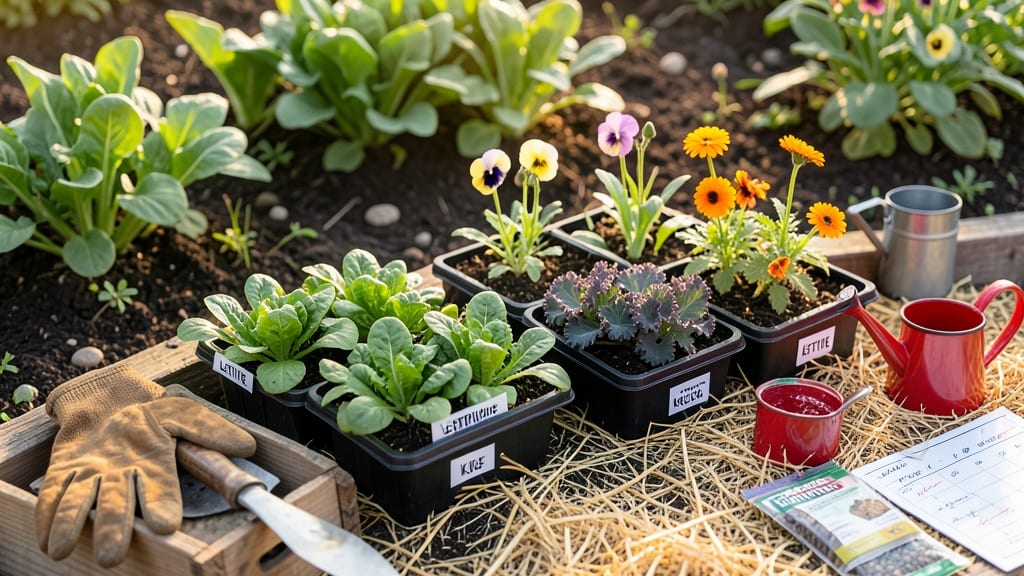
Ohio Zone 6 Planting Schedule: Exact Months for Frost-Free Success

Planting

Ohio Zone 6 Planting Schedule: Exact Months for Frost-Free Success

Ohio’s Zone 6 planting schedule is your roadmap to a thriving garden—because timing here isn’t just about the calendar, it’s about avoiding frost’s cruel surprises.

Picture this: you’ve spent weeks nurturing seedlings, only to watch them crisp under a late April frost.

Or worse, you plant tomatoes too late and miss the sweet spot for harvests before fall’s chill sets in. One week can mean the difference between a bumper crop and a sad, wilted failure.

This isn’t just theory—it’s the real deal for Ohio gardeners. Whether you’re in Columbus, Cincinnati, or a rural microclimate near Lake Erie, the last frost date (usually around April 15) dictates everything from when to sow cool-season crops to when to rush warm-season plants into the ground.

Below, I’ll break down the exact months to plant everything from lettuce to tomatoes, plus how to tweak your schedule for your specific corner of Ohio. No more guessing—just frost-free success.

🌱 General Ohio Zone 6a/6b Planting General Ohio Zone 6a/6b Planting Schedule Planting by Zone
Find your USDA zone dates
Zone 3-4
May 15 - Jun 15
Zone 5
May 1 - May 31
Zone 6a/6b
April 15 (varies slightly by region)5
Zone 7
Apr 1 - May 1
Zone 8
Mar 15 - Apr 15
Zone 9+
Feb 15 - Mar 31

Ohio Zone 6 planting schedule by month: what to plant when

Ohio’s Zone 6 climate offers a 165-day frost-free season, but precise timing separates thriving gardens from failed experiments. The average last frost date in Columbus is April 15, while Cincinnati typically sees frost until April 20.

These dates shift slightly yearly—always check local forecasts or use frost-free calculators for your exact location.

Spring planting begins 4-6 weeks before last frost for cool-season crops like spinach and peas, while warm-season plants such as tomatoes and peppers wait until 2-3 weeks after the final frost.

Fall planting mirrors spring but works backward from the first frost date (usually October 15), with broccoli and kale thriving in cooler weather.

Month Planting Window Cool-Season Crops Warm-Season Crops Flowers/Herbs Fall Prep
March Start indoors Peas, spinach, lettuce Pansies, snapdragons Soil test, compost
April After last frost Broccoli, carrots, radishes Tomatoes (after May 1) Marigolds, basil Plant garlic
May Peak planting Kale, Swiss chard Peppers, cucumbers Sunflowers, dill Mulch beds
June Succession plant Lettuce (shade) Beans, corn Zinnias, rosemary Save seeds
July Squash, okra Basil, lavender Prune perennials
August Fall prep Asters, chrysanthemums Plant onions
September 6-8 weeks before frost Spinach, radishes Pansies, calendula

How to adjust your Ohio Zone 6 planting schedule for microclimates

Ohio’s Zone 6 climate isn’t one-size-fits-all—even within the same county, your garden’s microclimate can shift planting windows by 2-4 weeks. Urban heat islands, Lake Erie’s cooling breezes, and elevation changes all play a role.

Understanding these factors lets you fine-tune your schedule for earlier harvests or extended growing seasons.

For example, gardens near Lake Erie (like Cleveland or Sandusky) experience cooler summers and longer frost-free periods due to lake breezes. Meanwhile, urban areas like Columbus or Cincinnati can be 5-10°F warmer than rural zones, pushing back frost dates.

Even a 100-foot elevation gain can delay your last frost by 1-2 weeks.

⚠️ WARNING: Microclimate Mistakes Can Ruin Your Season Don’t assume your neighbor’s schedule works for you! Planting tomatoes or peppers too early in a heat island risks heat stress, while delaying in a lake-effect zone may shorten your harvest. Use these adjustments to avoid common pitfalls:

  • Urban gardens: Wait 7-10 days longer for warm-season crops
  • Lake-effect zones: Plant cool crops 2 weeks earlier and warm crops 1 week later
  • Hilly areas: Adjust by elevation—add 1 day per 100 feet to frost dates
🌱

Start by mapping your garden’s sun exposure and wind patterns. South-facing slopes warm up faster, while north-facing areas stay cooler. Install a minimum-maximum thermometer to track your local temperature swings—this data is gold for microclimate adjustments.

For instance, if your thermometer shows 10°F warmer nights than the county average, delay warm-season plantings by 5-7 days.

Row covers are your secret weapon for extending seasons. Use floating row covers to plant cool-season crops like lettuce or spinach 3-4 weeks earlier in spring or 2-3 weeks later in fall.

For warm-season crops, black plastic mulch can raise soil temps by 5-10°F, letting you plant tomatoes or peppers 10-14 days earlier in cooler microclimates.

Don’t overlook soil temperature—it’s often the real limiting factor. Use a soil thermometer to confirm when temps hit 50°F for cool crops or 60°F for warm crops. In lake-effect zones, soil may stay cold longer, so wait until mid-May for tomatoes even if air temps seem warm.

For urban gardens, soil can heat up faster, so plant early varieties or use shade cloth to protect seedlings.

Pro tip: Group plants with similar needs. In a heat island, place heat-tolerant varieties (like Okra or Sweet Potatoes) near the hottest spots, while cool-loving crops (like Cabbage or Peas) thrive in shadier microclimates. Rotate crops annually to balance soil warmth and moisture across your garden.

★★★★★4.8(2 reviews)
Categories Planting