
Planting
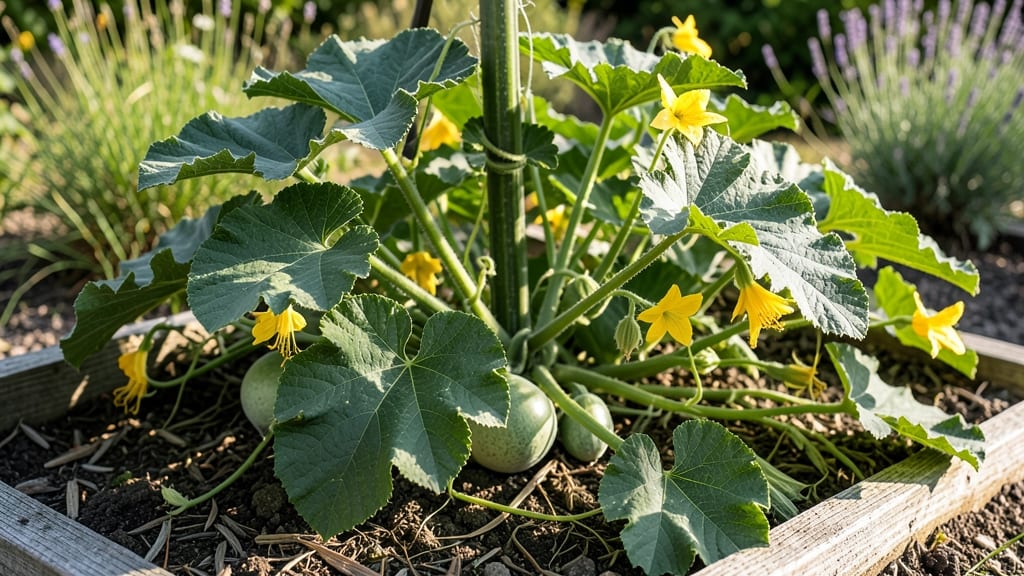
Those delicate melon plant flowers aren't just pretty—they're the secret to your harvest. 🌸 Every yellow blossom holds the potential for sweet, juicy fruit, but only if you understand their needs and timing.
I've learned that the difference between a bumper crop and a handful of melons comes down to what happens in those first few weeks after flowering.
Flowers appear 4-6 weeks after planting, signaling it's time to pay close attention. Male flowers show up first with long stems, while female flowers have tiny melons at their base. The key to fruit set is ensuring these blooms get pollinated—whether by bees, wind, or your own hand.
I've seen gardens with perfect flowers but no fruit because they missed this critical step.
With proper care, you'll watch those blossoms transform into vibrant green fruit within weeks. The plants reward attentive gardeners with heavy vines and plump melons by summer's end. Even in less-than-ideal conditions, these flowers give you a second chance to guide the plant toward success.
This works for cantaloupes, honeydews, and watermelons alike—just adjust timing based on your last frost date. Whether you're a first-time grower or a seasoned pro, these flowers hold the key to your melon dreams. Let's make sure they deliver!
📚 In This Guide
- What you need
- Instructions
- Tips and common mistakes
- Wrapping up and next steps
What you need
- ● Melon Seeds or Seedlings: Choose heirloom or hybrid varieties (e.g., cantaloupe, honeydew, watermelon).
- ● Quantity: 3–5 seeds per plant (or 1–2 seedlings per hill, spaced 2–3 feet apart).
- ● Well-Draining Soil: pH: 6.0–7.0 (test with a soil kit or meter).
- ● Mix: 60% topsoil + 30% compost + 10% perlite/sand (for drainage).
- ● Fertilizer: Balanced 10-10-10 or 5-10-10 (low nitrogen to avoid leafy growth over flowers).
- ○ Optional: Epsom salt (1 tbsp per gallon of water) for magnesium (boosts blooms!).
- ● Watering Supplies: Drip irrigation or soaker hose (to keep soil moist but not soggy).
- ● Watering can (for seedlings).
- ○ Hand Pollination Tools (Optional but Helpful): Soft paintbrush or cotton swab (for transferring pollen).
- ● Small spray bottle (for misting flowers on humid days).
- ● Sunlight: Full sun (6–8+ hours daily).
- ● Temperature: Daytime: 70–90°F (21–32°C) for optimal flowering.
- ● Avoid frost (not frost-tolerant!
- ● Space: 2–3 feet between plants (or hills) for airflow.
How to encourage and care for melon plant flowers
Here's how to nurture those delicate blooms into bountiful fruit—melon plants reward patience with sweet rewards.
🌱 Step 1: Identify Male and Female Flowers for Optimal Pollination
Melon vines produce separate male and female flowers, and recognizing the difference is key to fruit set. Male flowers appear first on long, slender stems with no swelling at the base. Female flowers develop from the vine itself with a tiny melon-shaped ovary at the base—this is your signal to focus pollination efforts here.
I always inspect new blooms daily, especially in the morning when flowers open fresh. The ovary on female flowers starts as a tiny bump and grows visibly over 24 hours. If you see more male flowers than female, your plant may need better nutrition—add a balanced fertilizer with higher phosphorus to encourage flowering.
☀️ Step 2: Hand-Pollinate When Nature Falls Short
Bees and other pollinators often avoid melon flowers, so hand-pollination becomes essential. On sunny mornings when flowers are fully open, use a small paintbrush or cotton swab to transfer pollen from male to female blooms. Gently brush the anthers of male flowers, then dab the stigma of female flowers until yellow pollen coats it completely.
I time this between 8-10 AM when flowers are driest and pollen is most abundant. Avoid wet conditions—rain can wash away pollen before it takes. For large plants, prioritize the healthiest female flowers first, as these have the best chance of developing into full-sized fruit.
💧 Step 3: Maintain Ideal Conditions for Flower Retention
Melon flowers drop easily when stressed, so consistent care prevents waste. Keep soil evenly moist but never soggy—water at the base during early morning to let flowers dry before evening. I check soil moisture by pressing a finger 1 inch deep; if dry, it's time to water. Sudden temperature swings or drought stress cause flowers to abort before pollination.
Provide afternoon shade in hot climates to prevent wilting. I use shade cloth (30-50%) when temperatures exceed 90°F, which helps flowers last longer. Avoid overhead watering that can damage delicate petals—direct streams cause flowers to close prematurely and drop.
✂️ Step 4: Prune Strategically to Focus Energy on Fruit Development
Once pollination occurs, redirect the plant's energy toward fruit growth by pruning excess vines. Remove any male flowers that appear after the first female blooms set fruit—these compete for resources. I also trim side shoots that develop near fruit clusters, leaving only the main vine and primary leaves for photosynthesis.
Use clean, sharp pruners to make cuts at a 45-degree angle just above a leaf node. This prevents disease entry and encourages faster healing. For indeterminate varieties, limit fruit to 2-3 per vine to ensure each melon receives adequate nutrients. Overloading results in small, underripe fruit.
🌿 Step 5: Monitor for Pests and Diseases That Threaten Blooms
Common pests like aphids and squash vine borers target young flowers, so inspect plants daily. I look for sticky residue (aphid honeydew) or small holes in stems as early warnings. Remove affected flowers immediately and treat with neem oil or insecticidal soap applied in the evening to protect pollinators.
Powdery mildew thrives on crowded vines, so space plants 6 feet apart and ensure good air circulation. If you notice white fungal growth on petals, apply a baking soda spray (1 tsp baking soda + 1 quart water + a drop of dish soap) weekly until blooms clear. Preventative care here saves entire harvests.
Tips & tricks for perfect melon plant flower care
These essential strategies will help you maximize pollination and fruit set in your melon garden.
Timing is Everything: The 24-hour window after female flowers open is critical for successful pollination. I've found that marking the day a female bloom appears on a small flag or tag helps track this timeline. If you can't hand-pollinate immediately, cover the flower with a small mesh bag to protect it from rain or pests during those crucial hours.
Pollination Precision: When hand-pollinating between 8-10 AM, focus on transferring pollen from at least three male flowers to each female bloom. This increases the chances of successful fertilization significantly. I keep a small jar of pollen from male flowers in the fridge for backup—just dab it onto the stigma if morning conditions aren't ideal.
Stress Prevention: Melon flowers are particularly sensitive to temperature fluctuations. I've learned to monitor weather forecasts and provide temporary shade when temperatures threaten to exceed 90°F. Even a few degrees above this threshold can cause flowers to drop before pollination occurs. A simple shade cloth draped over a frame works wonders for maintaining that delicate balance.
Pruning Strategy: After identifying your 2-3 main female flowers per vine, remove any additional male flowers that appear. This redirection of energy helps ensure the selected fruit develops properly. I make a point to prune in the early morning when the plant is well-hydrated, which minimizes stress on the vine.
Pro Tips for Melon Plant Flowers
- These essential strategies will help you maximize pollination and fruit set in your melon garden.
- Timing is Everything: The 24-hour window after female flowers open is critical for successful pollination.
- Pollination Precision: When hand-pollinating between 8-10 AM, focus on transferring pollen from at least three male flowers to each female bloom.
Frequently asked questions
Got questions about melon plant flowers? You’re not alone! Here are some of the most common queries—and their simple answers—to help you grow healthier melons with ease.
Are melon flowers edible, and how do they taste?
Yes! Melon flowers are delicious and add a sweet, floral flavor to salads, garnishes, or even cocktails. Think of them like edible orchids—tender, mild, and slightly citrusy. Just pluck them early in the morning for the best flavor. Pro tip: Dip them in batter and fry for a crispy, gourmet snack!
How long do melon flowers last before they turn into fruit?
Melon flowers typically live for just 1-2 days before wilting and transforming into fruit. If you’re hand-pollinating, watch for fully open blooms (usually in the morning) and pollinate them right away. Use a soft brush or your finger to transfer pollen from male to female flowers for the best results.
What do I do if my melon flowers aren’t being pollinated?
Poor pollination can happen due to lack of bees, wind, or heat stress. Try these fixes:
- Hand-pollinate: Gently transfer pollen with a paintbrush or cotton swab.
- Attract pollinators: Plant bee-friendly flowers nearby (like marigolds or sunflowers).
- Check humidity: Dry heat can deter bees—water plants early in the day.
Can I eat male and female melon flowers differently?
Both are edible, but they have slight differences:
- Female flowers: Have a tiny melon at their base (the future fruit). They’re slightly sweeter and more tender.
- Male flowers: Have a long stem and no fruit bump. They’re more delicate but still flavorful—great for frying or infusing in oils.
Will frost or cold weather kill melon flowers?
Melon plants are tender and can’t handle frost—even a light freeze will damage or kill flowers and young fruit. If temperatures dip below 50°F (10°C), cover plants with frost cloth or row covers. For extra protection, grow melons in containers and move them indoors overnight if frost is forecasted.
Wrapping up and next steps
Growing melon plant flowers isn’t just about pretty blooms—it’s a game-changer for pollination and a bountiful harvest! 🌸 By understanding their needs—from hand-pollination tricks to ideal growing conditions—you’re already on your way to a thriving garden.
Now, grab those gloves, step outside, and let nature (and your newfound knowledge) work its magic.
Ready to take it further? Experiment with companion plants or try growing heirloom melons for even more vibrant flowers. Every bloom is a step closer to juicy, homegrown fruit—so get out there and grow with confidence!