
Planting
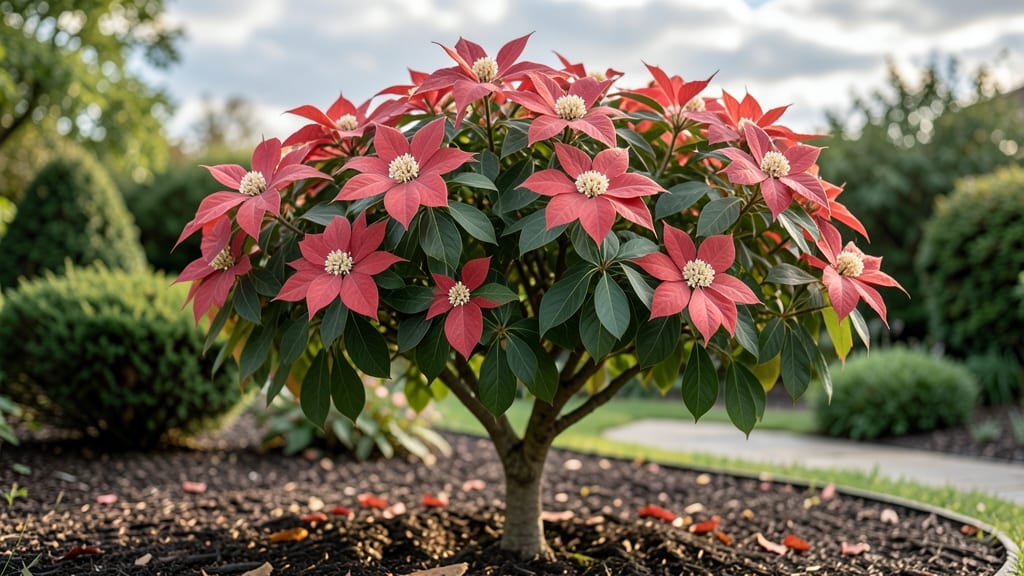
The Magic Dogwood (Cornus florida 'Magic') transforms any yard into a four-season masterpiece with almost no effort. 🌿 I planted mine three years ago, and it’s now the star of my shade garden—white spring blooms, burgundy fall foliage, and glossy stems that shine all winter.
The secret? This cultivar thrives where others struggle, handling humidity, heat, and even urban pollution with grace.
Start with well-draining soil (amend clay with compost) and morning sun to afternoon shade—it’s happier in cooler conditions than full sun. My tree sits under mature oaks, and it’s still flourishing.
Water deeply once a week after planting, then let nature take over; drought tolerance kicks in after the first year. Mulch helps retain moisture and keeps roots cool.
By summer, you’ll notice dark green leaves that stay pest-free, and in fall, the foliage turns a dramatic deep red. Prune only to shape (never after August) and watch it reward you with snow-white spring flowers that hummingbirds adore.
This tree grows 20–25 feet tall, so plan its location carefully—it’s a long-term investment with minimal upkeep.
Perfect for small yards, city gardens, or as a focal point under decks. Once established, it’s nearly maintenance-free—just enjoy the shade and seasonal color show. Here’s how to get started without the guesswork.
📚 In This Guide
- What you need
- Instructions
- Tips and common mistakes
- Wrapping up and next steps
What you need
- ● Magic Dogwood Plant: 1 healthy nursery-grown plant (or seeds/cuttings if propagating). Look for Cornus florida varieties like ‘Cherokee Brave’ or ‘Rubra’ for vibrant blooms.
- ○ Well-draining soil: 1 bag of garden loam (50 lbs) mixed with compost (20 lbs) for nutrient-rich, aerated soil. Optional: Add perlite or sand (10 lbs) for extra drainage.
- ● Planting hole: Dig a hole twice as wide and slightly shallower than the root ball.
- ● Mulch: 2–3 inches of wood chips or shredded bark (10–15 sq. ft. coverage) to retain moisture and suppress weeds.
- ● Garden trowel or spade: 1 medium-sized tool for digging and transplanting.
- ● Garden gloves: 1 pair (nitrile-coated for durability).
- ● Watering can or hose: With a gentle spray nozzle to avoid disturbing soil.
- ● Pruning shears: 1 pair (sterilized with rubbing alcohol) for shaping or trimming.
- ○ pH test kit (optional): To check soil acidity (ideal range: 5.0–6.5 for dogwoods).
- ○ Fertilizer (optional): 1 bag of balanced, slow-release fertilizer (10-10-10 ratio) or organic compost tea for a nutrient boost.
- ● Sunlight: A partially shaded spot (4–6 hours of dappled sunlight daily). Avoid harsh afternoon sun.
- ● Space: Minimum 10–15 feet of clearance from other plants or structures (dogwoods grow 15–25 ft tall!).
- ● Water source: Ready access for deep watering 1–2 times per week (more during dry spells).
- ● Patience: Dogwoods grow slowly—expect 12–24 inches of growth per year.
Step-by-Step guide to planting and caring for a magic dogwood
This striking shade tree thrives with minimal fuss once you get the basics right.
🌱 Step 1: Select the Perfect Planting Site
Choose a location with partial shade—at least 4-6 hours of filtered sunlight daily. Magic dogwoods hate harsh afternoon sun, which scorches their delicate foliage. I always test a spot by observing how nearby plants react over a week before planting.
Dig a hole twice as wide as the root ball but only as deep as the container it came in. The top of the root ball should sit 1-2 inches above ground level—this prevents water from pooling around the trunk. Amend the native soil with 2-3 inches of compost mixed into the bottom of the hole for better drainage.
🪴 Step 2: Plant with Care for Long-Term Health
Remove the plant from its container and gently tease apart any circling roots with your fingers. This encourages outward growth instead of girdling the trunk later. Place the root ball in the hole and backfill with the original soil, pressing lightly to eliminate air pockets.
Water deeply immediately after planting—10-15 gallons total—to settle the soil. You’ll know it’s right when water drains freely from the bottom of the hole without pooling. Mulch with 2-3 inches of shredded bark, keeping it 6 inches away from the trunk to prevent rot.
☀️ Step 3: Establish a Watering Routine
Water 2-3 times per week for the first year, giving 1-2 gallons per watering depending on soil type. Sandy soil drains fast, so you’ll need to water more frequently than clay. Watch for wilting leaves—this is your signal to water, but don’t let the soil stay soggy.
After the first year, your dogwood will establish deep roots and need water only during prolonged dry spells. You’ll know it’s thriving when new growth appears in late spring, signaling strong root development. Fertilize lightly in early spring with a balanced 10-10-10 formula—never more than needed.
✂️ Step 4: Prune for Shape and Health
Prune only in late winter or early spring before new growth begins. Remove dead, diseased, or crossing branches first, cutting just outside the branch collar. Thin out 10-20% of the canopy to improve airflow and sunlight penetration.
Never prune more than 25% of the tree at once—this stresses the plant. I like to shape dogwoods by selecting 2-3 main branches to guide growth, removing smaller competing stems. The goal is an open, airy structure that lets light filter through for that signature dappled shade.
🌿 Step 5: Protect and Maintain Year-Round
Watch for anthracnose fungus—a common issue with dogwoods—by avoiding overhead watering and cleaning up fallen leaves in fall. Apply a copper fungicide preventatively if your area has a history of this disease.
In winter, protect young trees from late-season frost by wrapping the trunk with tree guard or burlap. Mature dogwoods handle cold well, but new growth is vulnerable. You’ll know you’re doing it right when your tree blooms reliably each spring with those iconic white bracts.
Tips & tricks for perfect magic dogwood plant care
Between us, the difference between a thriving dogwood and one that struggles often comes down to these key details—especially in the early stages.
Site Selection Secret: That 4-6 hours of filtered sunlight is non-negotiable, but here's what nobody tells you—morning sun is your friend. Position your dogwood to receive gentle morning rays and afternoon shade. I've seen dogwoods planted in full shade that never bloom properly because they never get that crucial light boost to trigger flowering. Test your spot by observing how nearby plants grow over a week before committing.
Root Ball Placement: The 1-2 inches above ground level isn't just about aesthetics—it's about preventing rot. When you're planting, use a level to ensure the root ball sits perfectly straight. I've seen dogwoods planted at an angle that caused water to pool around one side, leading to root rot within months. Also, that 2-3 inches of compost at the bottom creates a perfect drainage layer that mimics the tree's natural forest floor environment.
Watering Wisdom: Those 10-15 gallons immediately after planting might seem like a lot, but it's essential for settling the soil properly. Here's my trick: Water in stages—pour 5 gallons, let it soak in completely, then add the remaining 5-10 gallons. This prevents water from running off before it can penetrate deeply. And that 2-3 times per week for the first year? Adjust based on rainfall—always check the soil 2 inches down before watering again.
Pruning Precision: When you're thinning that 10-20% of the canopy in Step 4, focus on removing branches that cross or rub against each other. These are the ones that create wounds where diseases can enter. I always make my cuts just outside the branch collar—this is where the tree naturally heals. And that 25% limit? It's not just a suggestion—pruning more than that can shock the tree and set back its growth for years.
Pro Tips for Magic Dogwood Plant
- Between us, the difference between a thriving dogwood and one that struggles often comes down to these key details—especially in the early stages.
- Site Selection Secret: That 4-6 hours of filtered sunlight is non-negotiable, but here's what nobody tells you—morning sun is your friend.
- Root Ball Placement: The 1-2 inches above ground level isn't just about aesthetics—it's about preventing rot.
Frequently asked questions
Got questions about the magic dogwood plant?
You’re not alone! Here are some of the most common inquiries—plus expert answers to help you grow with confidence.
How fast does a magic dogwood tree grow?
The magic dogwood (Cornus florida) grows at a moderate pace—about 12 to 24 inches per year under ideal conditions. In its first decade, it can reach 15 to 25 feet tall, though growth slows as it matures. Patience pays off: its slow-and-steady habit makes it perfect for long-term shade without aggressive pruning.
When is the best time to plant a magic dogwood?
For optimal root establishment, plant your dogwood in early spring or fall (4–6 weeks before the first frost). Avoid extreme heat or freezing soil—both can stress young roots. Pro tip: Water deeply after planting and mulch (2–3 inches) to retain moisture while roots settle in.
Can I grow a magic dogwood in a container?
While possible, magic dogwoods thrive best in the ground due to their spreading root system. If container-grown, use a large pot (20+ gallons) with well-draining soil and repot every 2–3 years. Expect slower growth and more frequent watering. For shade, opt for dwarf varieties like ‘Cherokee Chief’ (6–8 ft tall).
What pests or diseases should I watch for?
Dogwoods are generally low-maintenance, but keep an eye out for:
- Dogwood borers (larvae that tunnel into bark)—treat with neem oil or prune infested branches.
- Powdery mildew (white fungal spots)—improve airflow and avoid overhead watering.
- Anthracnose (leaf spots)—remove infected leaves and water at the base.
Healthy soil and 3–4 inches of mulch reduce risks significantly!
Are there alternatives to magic dogwood for shade?
If dogwoods don’t suit your climate or space, consider these low-maintenance shade trees:
Tree
Shade Type
Care Level
Serviceberry (Amelanchier)
Partial to full
Moderate (drought-tolerant once established)
Katsura Tree (Cercidiphyllum)
Full (fragrant foliage!)
Low (handles urban pollution well)
Oakleaf Hydrangea (Hydrangea quercifolia)
Partial (great for small yards)
Easy (loves moisture)
Each offers seasonal interest—just pick based on your zone and sunlight!
Wrapping up and next steps
The magic dogwood plant is a dream come true for gardeners seeking low-maintenance elegance and year-round shade. With its striking foliage, adaptability, and resilience, it transforms any outdoor space into a serene retreat—all while demanding minimal effort.
Whether you're a seasoned gardener or a beginner, this plant proves that beauty and simplicity go hand in hand.
Ready to elevate your garden? Start by gathering your materials, choosing the perfect spot, and planting with confidence. Your future shade oasis awaits—dig in and watch the magic unfold! 🌿✨