
Planting
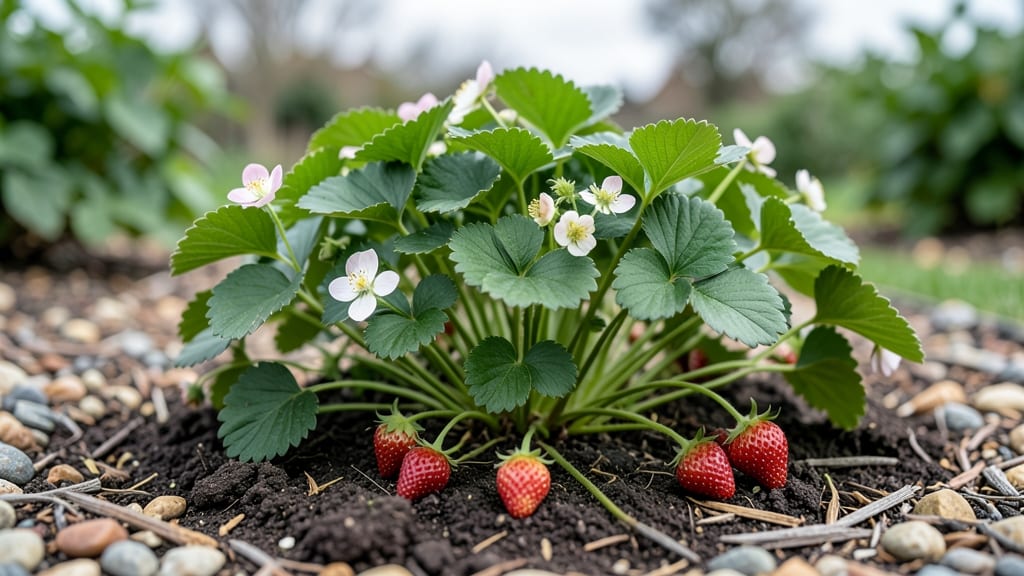
That wilted strawberry plant might just be is my strawberry plant dead or dormant—not dead. 🌱 I’ve stared at enough limp foliage to know the difference, and the signs are easier to spot than you think.
A dormant plant pulls its energy inward, while a dead one has already given up. Let’s break down the 5 key differences so you can save your berries—or at least know when to say goodbye.
The first clue is the leaves: dormant plants turn yellow or brown but stay attached, while dead ones crumble at the touch. Check the crown (where leaves meet soil)—dormant crowns feel firm and alive, while dead ones are mushy or hollow.
And don’t forget the roots: dormant roots stay white and springy, but dead roots turn black and rot easily.
Season matters too—strawberries go dormant in winter, even in mild climates. If it’s cold outside, your plant might just be hibernating. But if it’s summer and the soil’s soggy, that’s a red flag.
Prune dead growth now, mulch heavily for winter, and watch for new green shoots in spring—they’re your plant’s way of saying, “I’m still here.”
Here’s the good news: dormant plants bounce back with the right care, while dead ones won’t. Test your plant’s pulse by gently tugging a leaf—if it snaps easily, it’s dead. If it resists, there’s hope. Either way, you’ll know exactly what to do next.
Understanding Plant Stress Triggers
Strawberry plants can look alarmingly lifeless when they’re actually just conserving energy—a survival tactic hardwired into their biology. But why does this happen? The answer lies in how strawberries respond to their environment, often in ways that mimic death.
Below, we break down the key causes of dormancy vs. true decline, so you can spot the difference before it’s too late.
🌡️ The Science: Strawberries (Fragaria × ananassa) are perennial plants, meaning they rely on seasonal dormancy to survive harsh winters. When temperatures drop below 50°F (10°C), they trigger endodormancy—a deep rest phase regulated by phytohormones like abscisic acid (ABA).
This hormone signals the plant to: - Cease active growth (no new leaves or runners). - Shed leaves (reducing water loss and energy expenditure). - Store nutrients in roots and crowns for spring regrowth.
Why It Looks Like Death:
- Leaves turn brown and crispy (but roots stay alive).
- No new growth appears, even with water.
- The crown (base of the plant) feels firm, not mushy.
💡 Pro Tip: If your plant is still upright and the crown isn’t rotting, it’s likely dormant. Mulch with straw or leaves to insulate roots—this mimics natural winter conditions and prevents premature wake-up calls from warm spells.
💧 The Science: Strawberries are semi-tolerant of drought, but extreme water fluctuations confuse their survival mechanisms. Overwatering or prolonged dry spells can force dormancy-like symptoms by:
- Flooding roots → Oxygen deprivation (anaerobic stress) triggers ABA, slowing metabolism.
- Drought stress → Xylem embolisms (air bubbles in water-conducting vessels) force the plant to "shut down" temporarily to prevent hydraulic failure.
Why It Looks Like Death:
- Overwatered: Leaves yellow, stems soften, and roots smell sour (rot).
- Underwatered: Leaves curl, edges crisp, and the plant wilts dramatically (but recovers with water).
✨ Actionable Fix: Check soil moisture 1 inch below the surface. If it’s soggy, improve drainage with sand or perlite. If bone-dry, water deeply once a week (more in extreme heat). Dormant plants need less water—overhydration in winter can drown them!
📊 The Science: Strawberries are heavy feeders, and deficiencies in nitrogen (N), phosphorus (P), or potassium (K) can stall growth, mimicking dormancy.
Key deficiencies: - Nitrogen (N) deficiency → Chlorosis (yellow leaves) and stunted growth, as the plant can’t produce chlorophyll. - Phosphorus (P) deficiency → Purple stems/leaves and weak roots, slowing energy transfer. - Potassium (K) deficiency → Brown leaf edges and poor cold hardiness, making the plant "give up" prematurely.
Why It Looks Like Death:
- No new leaves (but old ones stay green or turn odd colors).
- Roots appear weak (but aren’t rotting).
- Plant feels "lazy"—not responding to fertilizer.
💪 Fix It Fast: Test your soil (pH 5.5–6.8 is ideal for strawberries). Amend with:
- Compost (balanced nutrients).
- Bone meal (for phosphorus).
- Wood ash (for potassium, but sparingly—it raises pH).
🐛 The Science: Unlike dormancy, pathogens (fungi, bacteria) or pests actively kill plant tissue, leading to irreversible damage.
Common culprits: - Verticillium or Fusarium wilt → Vascular blockages cut off water/nutrients, turning leaves brown and crispy (but roots rot). - **Gray mold (Botrytis cinerea) → Leaves turn mushy and gray, especially in damp conditions. - Strawberry weevils or slugs → Chewed stems/crowns prevent regrowth.
Why It Looks Like Death (But Isn’t Dormancy):
- Black, mushy crown (sign of rot).
- Foul smell from decay.
- No recovery even after ideal conditions (sun, water, warmth).
🔪 Emergency Action:
- Dig up the plant—if the crown is soft, discolored, or hollow, it’s dead.
- Dispose of infected plants (don’t compost them!).
- Sterilize soil with hydrogen peroxide (3%) or solarization (cover with plastic for 4–6 weeks).
🌿 The Science: Strawberries need 6+ hours of sunlight daily to photosynthesize. If deprived:
- Shade stress → Reduced chlorophyll → Weak, pale leaves (plant "saves energy" by slowing growth).
- Overcrowding → Competition for nutrients/light forces plants into a semi-dormant state to survive.
Why It Looks Like Death:
- Leaves grow small and sparse.
- Plant "stretches" toward light (etiolation).
- No fruit production, even in spring.
🎯 Solution: Thin plants so they’re 12–18 inches apart. Add reflective mulch (white plastic) to bounce light to shaded areas. Dormant plants need rest, but chronically shaded ones won’t wake up**—they’re just surviving.
Revive or Protect Your Strawberry Plant
Now that you’ve identified whether your strawberry plant is dormant or struggling, it’s time to take action. Below are practical, step-by-step solutions tailored to the most common causes—plus prevention tips to keep your plants thriving for years to come.
Cause: Low temperatures, winter chill, or natural dormancy. Fix: Give it patience and the right conditions to wake up.
1️⃣ Wait and Observe (But Don’t Panic!)
- 🔍 Check for life: Gently tug on a leaf or stem. If it snaps easily, it’s dormant. If it resists slightly, roots may still be active.
- ⏰ Timing matters: Strawberries in USDA Zones 5-7 often dorm in winter (Dec-Feb).
Zones 8+ may slow but not fully stop. - 🌡️ Monitor temps: If ground temps stay below 40°F (4°C) for weeks, dormancy is likely. Above 50°F (10°C)? It may be waking soon.
2️⃣ Adjust Care for Dormant Plants
- 💧 Water lightly: Dormant plants need minimal water—only enough to prevent soil from drying out completely.
Overwatering can rot crowns. - ❄️ Protect from extreme cold: If frost is forecasted, mulch heavily (4-6 inches of straw or leaves) to insulate roots. - ☀️ Limit sunlight (if needed): In harsh winters, light shade (like a frost cloth) can prevent sunburn on tender new growth.
3️⃣ Prep for Spring Wake-Up
- 🌿 Prune dead foliage: Once temps rise above 50°F (10°C), trim brown, mushy leaves to redirect energy to new growth.
- 🌱 Fertilize lightly: Use a balanced, low-nitrogen fertilizer (10-10-10) in early spring to encourage regrowth.
- 🚫 Avoid early harvesting: Don’t pick berries until all frost risk has passed—new plants need energy to establish.
Cause: Disease, pests, rot, or severe neglect. Fix: Act fast to save what you can—or replace it if damage is too extensive.
1️⃣ Diagnose the Damage
- 🍄 Fungal disease (e.g., gray mold, leaf spot):
- Signs: Black/brown spots, powdery growth, wilting despite water.
- Fix: Remove all infected leaves/stems (sterilize pruners with rubbing alcohol).
Apply copper fungicide or neem oil every 7-10 days. - 💡 Pro tip: Improve airflow—space plants 18-24 inches apart and prune nearby foliage.
- 🐜 Pest infestation (e.g., slugs, aphids, spider mites):
- Signs: Chewed leaves, sticky residue, tiny webs, or holes.
- Fix:
- 🔪 Manual removal: Handpick slugs at night (use beer traps!) or blast aphids with water.
- 🌿 Natural repellents: Sprinkle diatomaceous earth or crushed eggshells around the base.
- 🍅 Soap spray: Mix 1 tsp mild soap + 1 quart water, spray undersides of leaves.
- 💦 Root rot or overwatering:
- Signs: Mushy stems, yellowing leaves, foul smell, soil that stays soggy.
- Fix:
- 🚰 Drain immediately: Move the plant to a well-draining pot or raised bed if in-ground.
- ✂️ Trim rotten roots: Cut away black/mushy roots with sterilized scissors.
- 🌱 Repot in fresh soil: Use a mix of potting soil + perlite to improve aeration.
2️⃣ Decide: Revive or Replace?
| Symptom | Can It Be Saved? | Action Needed |
|---|---|---|
| Dry, crispy leaves | ✅ Yes | Prune dead parts, water deeply, mulch. |
| Blackened crown | ❌ Likely not | Remove plant, sterilize soil. |
| No new growth after 3+ weeks | ❌ Probably dead | Replace with a new plant. |
| Pests/disease caught early | ✅ Yes | Treat aggressively; monitor closely. |
3️⃣ Prevention for Next Season
- 🌡️ Soil health first: Test soil pH (strawberries love 5.5-6.5). Amend with compost before planting.
- 💧 Water wisely: Deep but infrequent watering (1 inch per week) prevents rot.
Water at soil level, not leaves. - 🛡️ Rotate crops: Avoid planting strawberries in the same spot yearly—diseases build up. - 🌿 Choose resistant varieties: Pick disease-resistant cultivars like ‘Albion’ (gray mold-resistant) or ‘Seascape’ (heat-tolerant).
- 🍓 Mulch like a pro: Use straw or pine needles (not wood chips) to retain moisture and suppress weeds.
- ☀️ Sunlight is non-negotiable: 6-10 hours of sun daily—partial shade leads to weak, disease-prone plants.
- 📅 Plant at the right time: Early spring or fall (avoid summer heat stress).
- 🔄 Divide every 3-4 years: Overcrowded plants produce fewer berries—dig up and split crowns in early spring.
💡 Final Tip: When in doubt, dig up a small section of root—if it’s firm and white, it’s alive! If it’s mushy or black, it’s time to start over. With the right care, your strawberry patch can bounce back—or thrive from day one. 🍓✨
Frequently asked questions
How can I tell if my strawberry plant is truly dead vs. just dormant?
Check the crown (where leaves meet soil)—if it’s firm and white inside when cut, it’s dormant. If the crown is mushy, black, or hollow, the plant is dead. Also, gently tug a leaf: if it snaps easily, it’s dormant; if it resists slightly, roots may still be alive.
Can I prune my strawberry plant while it's dormant?
Yes, but wait until spring when temperatures rise above 50°F (10°C). Remove only the brown, mushy leaves—never cut into healthy green tissue. This helps redirect energy to new growth when the plant wakes up.
What should I do if my strawberry plant looks dead in winter?
Wait until spring before giving up! Mulch heavily with 4-6 inches of straw to protect roots from freezing. If you see green shoots in early spring, your plant is alive—just waiting for warmer weather to grow.
How often should I water dormant strawberry plants?
Water very lightly—just enough to prevent soil from drying out completely. Overwatering in winter can cause rot. Aim for once every 2-3 weeks unless your area experiences extreme dry spells.
Will my strawberry plant come back if I see no leaves in winter?
Almost certainly! Strawberries are perennials—they survive winter underground. Look for green shoots emerging in early spring. If you see none by late March/April, the plant may be dead or severely damaged.