
Planting
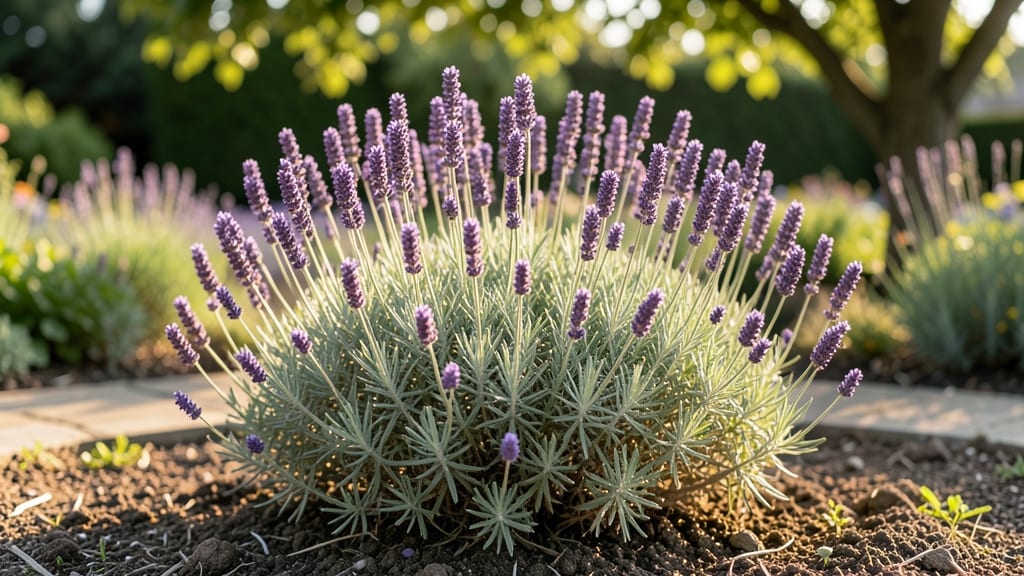
The hybrid lavender plant thrives where most perennials struggle—drought, poor soil, and neglect. 🌿 I've grown mine in rocky soil with almost no water, and they still bloom like they're in a French countryside garden. The secret lies in understanding what these tough, aromatic plants truly need to flourish effortlessly.
You'll need full sun (at least 6 hours daily), well-draining soil, and minimal watering once established. Most gardeners overwater lavender, thinking it needs constant moisture—it doesn't. In fact, too much water is the fastest way to kill these hardy plants.
The right conditions turn hybrid lavender into a zero-fuss perennial that rewards you with months of fragrant purple blooms.
By summer's end, you'll have a bushy, fragrant plant that repels pests naturally and attracts pollinators. The flowers dry beautifully for potpourri, and the scent lingers long after they're cut. Pruning just once a year keeps them compact and encourages even more blooms next season.
Whether you're growing in containers or garden beds, hybrid lavender adapts beautifully. The key is starting with the right soil mix—sandy, gritty, and slightly alkaline—and avoiding heavy clay. Let's get those roots established for a plant that truly lives up to its "zero-fuss" reputation.
📚 In This Guide
- What you need
- Instructions
- Tips and common mistakes
- Wrapping up and next steps
What you need
- ● Hybrid lavender plants (3–5 plants for a small garden, 10+ for a fragrant border): Choose Lavandula × intermedia or Lavandula × hybrida varieties (e.g., ‘Grosso,’ ‘Providence,’ or ‘Munstead’).
- ● Opt for 1–2 year-old nursery starts for faster blooms (seeds take 2–3 years to mature).
- ● Well-draining soil mix (50% native soil + 50% amendments): Gravel, perlite, or coarse sand (1 part per 2 parts soil).
- ● Compost (1 part) for nutrients (avoid fresh manure—it can harm lavender!).
- ● Sunlight access: Full sun (6–8+ hours daily).
- ● Watering can or drip irrigation system (lavender hates soggy roots!).
- ● Garden trowel or transplant spade (for digging holes 2–3x wider than the root ball).
- ● Pruning shears (sharp, clean pair for shaping and harvesting).
- ○ Mulch (optional but helpful): Gravel or pebbles (1–2 inches deep) to retain heat and deter weeds.
- ● Avoid organic mulch (it can compact soil and retain moisture).
- ○ pH test kit (optional): Lavender thrives in neutral to slightly alkaline soil (pH 6.5–7.5). Adjust with lime if needed.
- ○ Fertilizer (optional): Low-phosphorus, high-potassium fertilizer (e.g., 5-10-10 or 0-0-50).
- ● Skip fertilizer if soil is nutrient-rich—lavender prefers lean conditions!
Step-by-step guide to planting and cultivating hybrid lavender
Here's how to establish fragrant, long-lived lavender that thrives with minimal effort.
🪴 Step 1: Select and Prepare the Planting Site
Hybrid lavender demands full sun exposure—at least 6-8 hours daily—and well-draining soil. Choose a location with afternoon shade if you live in a hot, dry climate to prevent leaf scorch. I always test drainage by digging a 12-inch deep hole and filling it with water; if it drains within an hour, the site is perfect.
Amend heavy or clay soil with 2-3 inches of coarse sand or perlite to improve drainage. Lavender roots rot quickly in soggy conditions, so avoid low spots where water pools. The ideal soil pH is slightly alkaline, between 6.5-7.5, but lavender tolerates a wide range.
🌱 Step 2: Plant at the Correct Depth and Spacing
Dig a hole twice as wide as the root ball but no deeper. Gently remove the plant from its container and tease the roots outward if they're circling. Place the root crown—where the stems meet the roots—just above soil level. Burying it too deep suffocates the plant, while leaving it exposed invites rot.
Space plants 18-24 inches apart for proper air circulation, which prevents fungal diseases. I like to arrange them in loose clusters of three to create natural drifts. Water deeply right after planting to settle the soil, then let it dry completely before watering again—this mimics lavender's natural drought tolerance.
☀️ Step 3: Water and Mulch Strategically
Water lavender only when the top 2 inches of soil feel dry—overwatering is the fastest way to kill it. Deep watering once or twice weekly encourages strong root growth, while frequent shallow watering promotes weak, floppy stems. I use a soaker hose set to low flow for 10-15 minutes to deliver moisture without disturbing the soil.
Apply a 1-inch layer of gravel or pebbles around the base to reflect sunlight and deter weeds. Avoid organic mulches like wood chips—they retain too much moisture and can smother the plant. Prune any flowering stems that appear in the first year to redirect energy into root establishment.
✂️ Step 4: Prune for Health and Shape
Wait until spring to prune established lavender. Cut back one-third of the oldest stems to the wood just above a set of leaves. This encourages fresh growth and prevents the plant from becoming woody and leggy. I use clean, sharp pruners to make cuts at a 45-degree angle to prevent water from pooling on the stem.
Shape the plant by trimming the tips of the remaining stems to encourage bushier growth. Never prune into old wood—lavender doesn’t regenerate from bare stems. After pruning, fertilize lightly with a low-nitrogen, balanced fertilizer (like 5-10-5) to support new growth without promoting leafy overgrowth.
⏰ Step 5: Overwinter and Maintain Long-Term
In cold climates, protect lavender with a 3-inch layer of mulch around the base, but keep it away from the stems. I also wrap young plants with burlap for the first winter to shield them from harsh winds. In mild climates, lavender sleeps through winter with no special care—its silvery foliage adds winter interest.
Divide mature lavender every 3-4 years to rejuvenate the plant. Dig up the root ball, separate the sections with a clean knife, and replant immediately. This prevents the center from dying out and keeps the plant vigorous. Lavender thrives for decades with proper care—mine from 2015 still blooms like a champ.
Tips & tricks for perfect hybrid lavender plants
Took me years of trial and error to learn these game-changing tricks for growing lavender that thrives with minimal fuss.
Site Selection Insight: The 6-8 hours of daily sun requirement is non-negotiable, but I've found that morning sun with afternoon shade in hot climates actually extends plant lifespan. Test your site's drainage before planting—if water pools in the 12-inch hole, lavender will rot within weeks. I've lost three plants this way, and it's heartbreaking watching them wilt after all that effort.
Planting Precision: That root crown placement above soil level is critical—burying it too deep suffocates the plant while leaving it exposed risks rot. I mark the crown with a pencil before planting to ensure perfect positioning. The 18-24 inch spacing isn't just about aesthetics; it's what creates that perfect airflow to prevent fungal diseases that can turn your lavender into a sad, brown mess.
Watering Wisdom: The "top 2 inches dry" rule is your golden guideline, but I've learned to adjust for seasonal changes. In summer, I check soil moisture twice daily, while winter watering can often wait until spring. That 10-15 minute soaker hose session should deliver water slowly—if you see puddles forming, you're doing it wrong. The goal is deep hydration, not soggy soil.
Pruning Payoff: Spring is the only time to prune established lavender, but I've discovered that waiting until after the first flush of flowers gives you a second bloom cycle later in the season. When cutting those one-third of oldest stems, look for the woody base just above leaf nodes—this is where new growth emerges. I always sterilize my pruners with rubbing alcohol between cuts to prevent spreading disease.
Pro Tips for Hybrid Lavender Plant
- Took me years of trial and error to learn these game-changing tricks for growing lavender that thrives with minimal fuss.
- Site Selection Insight: The 6-8 hours of daily sun requirement is non-negotiable, but I've found that morning sun with afternoon shade in hot climates actually extends plant lifespan.
- Planting Precision: That root crown placement above soil level is critical—burying it too deep suffocates the plant while leaving it exposed risks rot.
Frequently asked questions
Got questions about growing hybrid lavender? You’re not alone!
Here are answers to the most common queries to help you cultivate these fragrant beauties with confidence.
What’s the best time of year to plant hybrid lavender?
Plant hybrid lavender in early spring or early fall when temperatures are mild (50–70°F). Avoid extreme heat or frost, as young plants are sensitive. Spring planting gives roots time to establish before summer droughts, while fall planting allows roots to settle before winter dormancy. Pro tip: If planting in summer, water deeply and mulch to retain moisture!
How long does it take for hybrid lavender to bloom?
With proper care, hybrid lavender typically blooms 60–90 days after planting in the first year. Subsequent years may yield earlier blooms (as early as late spring). Prune spent flowers to encourage reblooming in some varieties like ‘Grosso’ or ‘Provins.’ Patience pays off—your first fragrant display is worth the wait!
Why isn’t my hybrid lavender growing? Troubleshooting tips.
Hybrid lavender thrives in well-draining soil and full sun. If it’s struggling, check for:
- Overwatering: Lavender hates soggy roots! Water only when the top 1–2 inches of soil are dry.
- Poor drainage: Amend heavy soil with sand or gravel to prevent root rot.
- Shade: Move to a sunnier spot (6+ hours of direct sun daily).
- Fertilizer burn: Skip high-nitrogen fertilizers—lavender prefers lean soil.
Can I grow hybrid lavender in containers? What’s the best setup?
Hybrid lavender thrives in containers with these key elements:
- Use a well-draining pot (terracotta or fabric) with drainage holes.
- Fill with a cactus/succulent mix or add perlite to regular potting soil.
- Choose a small-to-medium pot (12–18 inches wide) to prevent overwatering.
- Place in full sun and water sparingly (containers dry out faster!).
Are hybrid lavender plants deer- or rabbit-resistant?
Hybrid lavender is deterrent to deer and rabbits due to its strong scent and woody stems, but young or tender new growth may still attract nibblers. To protect your plants:
- Apply deer repellent sprays (like garlic-based options) in early spring.
- Use physical barriers (chicken wire) around new plantings.
- Plant near unpalatable companions like rosemary or boxwood.
Wrapping up and next steps
Growing hybrid lavender plants is a rewarding journey that brings beauty, fragrance, and tranquility to your garden with minimal effort! These hardy perennials thrive with just the right balance of sun, well-draining soil, and occasional pruning—making them perfect for both beginners and seasoned gardeners.
Whether you’re drawn to their soothing scent, pollinator-friendly blooms, or versatile uses, hybrid lavender is a zero-fuss superstar that pays dividends year after year.
Ready to dive in? Start by selecting your favorite variety, gathering your supplies, and giving these fragrant plants the love they deserve. Your garden’s next masterpiece is just a few steps away—happy planting! 🌿✨