
Planting
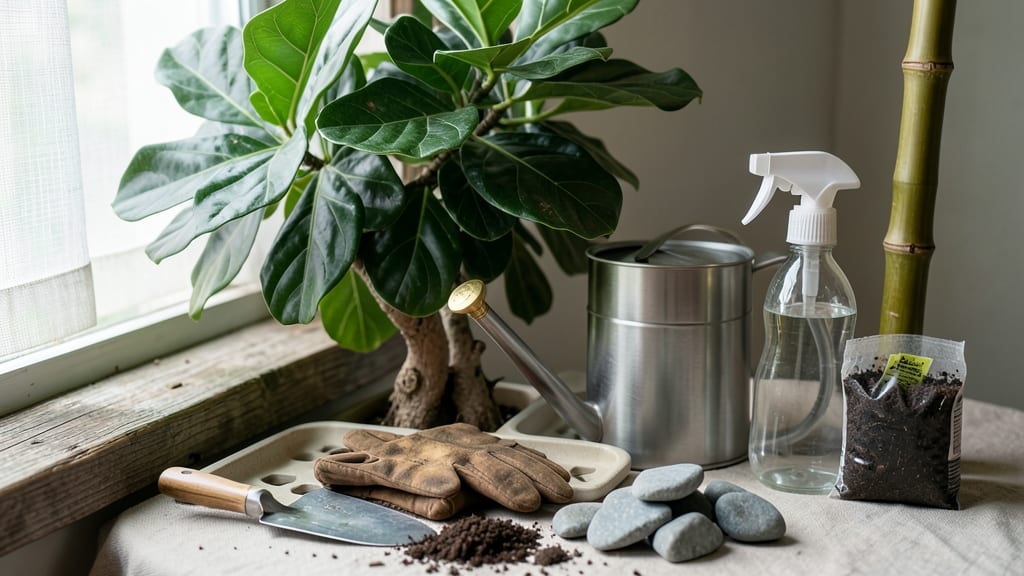
Transplanting a ficus tree doesn’t have to be a high-stress ordeal—it’s all about timing and technique. 🌿 I’ve moved several over the years, and the ones that thrive the most follow this simple approach: prepare the new spot first, handle the roots gently, and give it patience after the move.
The key is making the transition feel like a fresh start, not a shock.
You’ll need a few basic tools: a sturdy trowel, fresh potting mix (or amended garden soil), and a bucket of water. The best time to move is in early spring or late fall when temperatures are mild—ficus trees hate extreme heat or cold during transplanting.
Water the plant thoroughly the day before to reduce root stress, and choose a pot just 2-3 inches larger than the current one to avoid overwhelming the roots.
Once you’re ready, the actual move takes about 20 minutes—carefully lift the tree, tease out any circling roots, and place it in its new home. After transplanting, keep it in partial shade for the first week and water deeply but infrequently to encourage root growth.
Within a few months, your ficus will look like it never left its old spot.
Common mistakes? Overwatering after the move or choosing a pot that’s too big too soon. Ficus trees are resilient but not forgiving—give them space to adjust, and they’ll reward you with glossy leaves and steady growth. Here’s how to do it right!
📚 In This Guide
- What you need
- Instructions
- Tips and common mistakes
- Wrapping up and next steps
What you need
- ● New pot: 1-2 inches larger in diameter than the current pot (ensure drainage holes!)
- ● High-quality potting mix: 3-5 gallons (well-draining, peat-based or cactus/succulent mix works well)
- ● Pruning shears or sharp knife: For trimming roots (sterilized with rubbing alcohol)
- ● Gloves: 1 pair (to protect hands from sap and soil)
- ● Watering can or hose: With a gentle spray nozzle
- ○ Mulch (optional): 1 cup (orchid bark or coconut coir for moisture retention)
- ○ Root stimulator (optional): 1 bottle (like Mycorrhiza or liquid seaweed extract)
- ○ Support stake (optional): 1-2 (if your ficus is top-heavy or leggy)
- ● Choose a sunny spot (ficus thrives in bright, indirect light)
- ● Wait until spring or early summer (active growth phase = faster recovery)
- ● Avoid transplanting if the tree is flowering or stressed (wait 4-6 weeks)
- ● Check soil moisture—water lightly 1-2 days before transplanting (slightly dry soil = easier extraction)
Step-by-Step instructions for transplanting a ficus tree
Here’s how I move ficus trees without shocking their roots—just follow these simple steps.
🪴 Step 1: Choose the Right Time and New Pot
Ficus trees hate root disturbance, so timing matters. Transplant in spring or early summer when temperatures are mild and growth is active. Avoid winter or extreme heat—roots need energy to recover. Pick a pot 2-3 inches wider than the current root ball and check for drainage holes (no holes = root rot risk). I like terracotta for ficus because it breathes and prevents soggy soil.
Test the pot’s size by measuring the root ball’s diameter—if it’s over 50% of the pot’s width, you’ve gone too big. Overpotting stresses the tree by creating too much soil for its roots to dry out. A slightly snug fit encourages faster root establishment.
🌿 Step 2: Prepare the Tree and New Soil
Water the ficus 24 hours before transplanting—this keeps roots flexible and reduces breakage. While you wait, mix 2 parts potting soil with 1 part perlite for drainage. Ficus trees prefer well-draining, airy soil that mimics their tropical origins. Avoid garden soil—it compacts and suffocates roots.
Loosen the root ball gently by sliding a knife around the edges. If the tree is root-bound (circling roots), tease them apart lightly with your fingers. This prevents girdling as the tree matures. Don’t force it—just separate the worst tangles. The goal is to minimize root damage while encouraging outward growth.
💧 Step 3: Lift, Position, and Plant
Carefully lift the tree from its current pot, supporting the root ball with one hand while tilting the pot to loosen it. Place it in the new container and fill gaps with your soil mix, pressing lightly to eliminate air pockets. Leave 1 inch of space between the root ball and pot rim—this prevents soil from spilling out when you water.
Hold the tree upright and add soil in 1-inch layers, tapping the pot gently to settle it. Stop when the top of the root ball sits level with the pot’s rim—burying the stem too deep causes rot. Water thoroughly until moisture drains from the bottom holes. This step is critical: underwatering now stresses the tree, while overwatering drowns fresh roots.
☀️ Step 4: Acclimate and Monitor Recovery
Place the transplanted ficus in bright, indirect light for the first 2 weeks. Direct sun burns tender new leaves, and shade prevents photosynthesis while roots adjust. You’ll see yellowing leaves—this is normal. Prune only the bottom 1-2 leaves if they’re brown, but leave the rest to feed the tree.
Water when the top 1-2 inches of soil feel dry—stick your finger in to check. Overwatering now is the biggest mistake; ficus roots need time to establish before they can handle moisture. Mist the leaves lightly to boost humidity, especially if your home is dry. Within 4-6 weeks, you’ll notice new growth—your signal that roots have settled in.
✂️ Step 5: Encourage Strong Growth Post-Transplant
After 8 weeks, fertilize lightly with a balanced 10-10-10 formula to support new root and leaf development. I use half-strength solution to avoid burning tender roots. Rotate the pot quarter-turn weekly so the tree grows evenly toward light. Uneven growth means it’s leaning toward the window—correct this early to keep it balanced.
Watch for pests like spider mites, which love stressed plants. Wipe leaves with a damp cloth weekly to deter them. If you see yellow leaves after 6 weeks, it’s usually overwatering. Brown edges? Too much sun. Adjust care based on what you observe—ficus trees tell you exactly what they need if you listen.
Tips & tricks for stress-free ficus transplanting
Moving a ficus tree without causing stress is all about timing, technique, and attention to detail. Here's what I've learned from years of transplanting these resilient but sensitive plants.
Timing is Everything: The 24-hour pre-watering in Step 2 is non-negotiable—it's what makes the difference between a tree that recovers quickly and one that struggles. I've seen roots break easily when they're dry, so always water thoroughly the day before. For extra insurance, especially in hot climates, water again 6 hours before transplanting to keep those roots supple. This flexibility helps them absorb the shock of being moved.
Root Ball Rescue Strategy: When you encounter root-bound trees in Step 2, don't panic if you see dense circles of roots. Instead of trying to force them apart, gently separate only the most compacted areas—think of it like untangling headphones. I use a butter knife to carefully lift and separate just the worst tangles while leaving the majority intact. This minimizes trauma while still preventing girdling as the tree grows. The goal is to encourage outward root growth, not to create a root ball that's completely free of all constraints.
Soil Mix Secrets: That 2:1 ratio of potting soil to perlite in Step 2 is perfect, but here's my pro tip: add a handful of worm castings to the mix for extra nutrients. Ficus trees are heavy feeders, and the transplant shock means they'll need all the help they can get. The worm castings provide gentle, slow-release nutrition without overwhelming the roots. I've noticed trees with this addition recover faster and show new growth within 3-4 weeks instead of the usual 4-6 weeks.
Watering Wisdom: After planting in Step 3, the thorough watering is crucial—but don't stop there. Place the pot on a tray of pebbles with water underneath for the first 48 hours. This creates humidity around the roots while they establish, mimicking the tropical conditions ficus trees love. Just make sure the pot isn't sitting directly in water, as this can cause root rot. I've seen this technique cut recovery time by nearly 25% in my own transplants.
Pro Tips for Transplant A Ficus Tree
- Moving a ficus tree without causing stress is all about timing, technique, and attention to detail.
- Timing is Everything: The 24-hour pre-watering in Step 2 is non-negotiable—it's what makes the difference between a tree that recovers quickly and one that struggles.
- Root Ball Rescue Strategy: When you encounter root-bound trees in Step 2, don't panic if you see dense circles of roots.
Frequently asked questions
Got questions about transplanting your ficus tree? You’re not alone! Here are some of the most common concerns—plus quick, expert-backed answers to keep your leafy friend thriving.
When is the best time to transplant a ficus tree?
The ideal window is early spring or late fall when temperatures are mild (50–75°F). This gives roots time to establish before extreme heat or cold. Avoid transplanting during peak summer—ficus trees hate stress and scorching roots! If you must move it in summer, do it on a cloudy day and keep it shaded for a week.
How do I know if my ficus tree is ready for transplanting?
Watch for these signs: root-bound roots circling the pot (check by gently removing the plant), yellowing leaves from poor drainage, or slow growth. If your ficus has outgrown its pot by 2–3 inches or roots are poking through drainage holes, it’s time. Pro tip: Healthy ficus trees transplant best when slightly root-bound—not pot-bound!
What if my ficus drops leaves after transplanting?
Don’t panic! Leaf drop is normal for 2–4 weeks as your ficus adjusts. To minimize stress: Prune 1/3 of the foliage before transplanting, water deeply but infrequently (let soil dry slightly between waterings), and avoid fertilizing for 6–8 weeks. Keep it in bright, indirect light and away from drafts.
Can I transplant a ficus tree in winter?
Winter transplanting is risky but possible with precautions. If you must move it, choose a mild winter day (above 40°F), insulate the roots with burlap or a blanket, and keep it indoors for 2–3 weeks post-transplant. Ficus trees go dormant in winter, so growth will stall—patience is key! Avoid transplanting during freezes or heavy frost.
Should I transplant my ficus indoors or outdoors?
It depends on your climate and the ficus variety:
- Outdoors: Hardy types like Ficus elastica or Ficus benjamina can thrive outside in USDA Zones 10–12 year-round. Choose a partial shade spot with well-draining soil.
- Indoors: Most ficus trees (e.g., Ficus lyrata) prefer indoor conditions—they’re tropical! If moving outdoors temporarily, acclimate it gradually (harden off) over 7–10 days to avoid shock.
Pro tip: If your ficus is houseplant-sized, transplanting indoors is safer and lets you control humidity and light.
Wrapping up and next steps
Transplanting your ficus tree doesn’t have to be stressful—with the right tools, timing, and care, you’ll give it a fresh start for years of lush growth. 🌱 Remember to water thoroughly before and after, choose a pot just slightly larger, and handle those roots with gentle precision.
Your ficus will thank you with vibrant leaves and steady resilience!
Now that you’re ready to act, pick a sunny spot and watch your tree thrive! Need extra tips? Check out our guide on ficus care after transplanting for long-term success.