
Planting
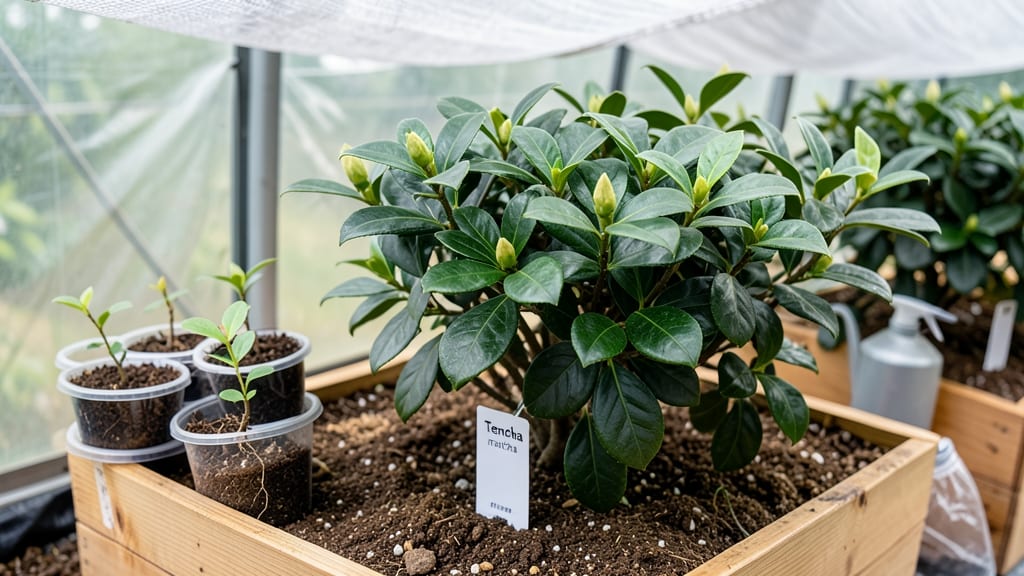
Planting matcha seeds (Camellia sinensis) feels like nurturing a secret garden—these delicate plants thrive in layered soil that mimics their natural shaded forest floors. 🌿 I learned the hard way that regular potting mix drowns tender seedlings, but this simple trick has me sprouting matcha reliably every spring.
The key isn't just the soil layers; it's the patience to wait for those first pale green leaves that signal success.
You'll need shade-tolerant soil (60% organic matter, 30% perlite, 10% sand) and a spot that gets morning sun but afternoon shade—matcha hates direct afternoon rays. Start seeds indoors 12-14 weeks before last frost, using a clear plastic dome to maintain humidity.
The layered approach keeps roots oxygenated while holding moisture just right, preventing the rot that kills most first-time growers.
Once sprouted, your matcha seedlings will reward you with glossy, deep-green leaves that develop a subtle sweetness when grown in partial shade. Prune lightly to encourage bushier growth, and harvest by pinching young leaves—never more than 20% of the plant at once.
With proper care, you'll have your first harvestable leaves in about 18 months, though full production takes closer to 3 years.
This method works for both backyard growers and container gardeners—just scale the pot size to your space. Matcha's slow growth means you'll need to be consistent, but the payoff is leaves so vibrant they look like emerald velvet.
Here's where the real magic begins: creating your own shade cloth canopy for that perfect tea-growing environment.
📚 In This Guide
- What you need
- Instructions
- Tips and common mistakes
- Wrapping up and next steps
What you need
- ● Matcha seeds: High-quality, organic matcha seeds (ensure they’re Camellia sinensis varieties suitable for cultivation). Quantity: 5–10 seeds per pot (or 100+ for bulk planting).
- ● Seed-starting trays or small pots: 4–6 inch pots with drainage holes (biodegradable options work too!). Quantity: 1 per 5 seeds.
- ● Well-draining potting mix: A blend of 60% peat moss or coconut coir, 30% perlite or vermiculite, and 10% compost. Avoid garden soil—it’s too dense!
- ● Layered soil trick supplies: Fine mesh screen or coffee filter (for top layer)
- ● Sphagnum moss or shredded bark (for moisture retention)
- ● Spray bottle: For gentle watering (avoid over-saturating seeds!).
- ● Clear plastic dome or plastic wrap: To create a mini greenhouse effect.
- ● Grow lights or sunny windowsill: Matcha seeds need 12–16 hours of indirect light daily.
- ○ Humidity tray (optional but helpful): Fill a shallow tray with water and pebbles to maintain moisture.
- ● Seedling heat mat: Keeps soil warm (70–75°F) to speed up germination.
- ● Fertilizer: A balanced, organic liquid fertilizer (e.g., fish emulsion) diluted to half-strength for young seedlings.
- ● pH test kit: Matcha thrives in acidic soil (pH 5.5–6.5). Adjust with sulfur or lime if needed.
- ● Label markers: Track seed varieties and planting dates!
- ● Pruning shears: For trimming leggy seedlings later.
Step-by-Step guide to planting matcha seeds
Matcha thrives with patience and the right soil layers—here’s my foolproof method for sprouting.
🌱 Step 1: Prepare the Soil Layers for Germination
Matcha seeds need a warm, moist, and airy environment to sprout. Start by filling a small pot (at least 4 inches deep) with a mix of equal parts peat moss and perlite—this creates the perfect balance of moisture retention and drainage. I like to press the mix down lightly with my fingers until it’s firm but not compacted.
Next, add a thin layer of coarse sand (about ¼ inch) on top. This prevents the seeds from sinking too deep, which can slow germination. Water the mix gently until it’s damp but not soggy—think of a wrung-out sponge. The key here is keeping the soil consistently moist without waterlogging it.
🌱 Step 2: Sow the Seeds Strategically
Matcha seeds are tiny, so I use a toothpick to place them ¼ inch apart in a single row across the soil surface. Avoid pressing them in—just rest them lightly on top. Cover them with an extra-thin layer of sand (just enough to hide them from view). This trick keeps them in place while allowing moisture and air to reach them.
Place the pot in a warm spot (around 70-75°F)—a seedling heat mat works wonders if you’re in a cooler climate. Cover the pot with clear plastic wrap to trap humidity, but leave a tiny gap for airflow. Check daily for condensation—if it’s heavy, remove the wrap for 30 minutes to prevent mold.
💧 Step 3: Monitor Moisture and Wait for Sprouts
Keep the soil evenly moist by misting lightly every 2-3 days—never let it dry out, but don’t drown it either. Matcha seeds germinate slowly, often taking 2-4 weeks to sprout. You’ll know it’s working when you see tiny green shoots breaking through the sand.
Once sprouts appear, remove the plastic wrap immediately to prevent damping-off (a fungal disease that kills seedlings overnight). Place the pot under bright, indirect light—direct sun can scorch delicate young plants. If using a grow light, keep it 4-6 inches away to avoid burning the tender leaves.
☀️ Step 4: Transition to Stronger Light and Soil
After 4-6 weeks, when seedlings have 2-3 sets of true leaves, it’s time to transplant them into individual pots with a richer mix: 50% potting soil, 30% compost, and 20% perlite. Gently loosen the roots from the sand layer before transferring them to avoid damage.
Place the new pots in bright, indirect light for another 2 weeks before introducing them to morning sun. Matcha plants are shade-loving as adults, but young seedlings need gradual acclimation. You’ll notice stronger stems and deeper green leaves as they adjust—this means you’re on the right track!
Tips & tricks for planting matcha seeds
Here's what nobody tells you about growing matcha from seeds—these small details make all the difference.
Soil Layering Secret: The peat moss and perlite mix in Step 1 should feel like a damp sponge—if it crumbles when pressed, add a tiny bit more water. The ¼-inch sand layer is non-negotiable; it creates that perfect air pocket for seeds to breathe while keeping them from sinking too deep. I've seen seeds fail to sprout when this layer was skipped or too thick.
Temperature Matters: That 70-75°F range in Step 2 is critical—too cool, and germination slows to a crawl; too warm, and mold becomes a risk. If your home runs cooler, invest in a seedling heat mat ($15 at garden centers) for consistent warmth. I've had batches take double the time when placed near drafty windows.
Germination Timeline: The 2-4 week window for sprouting is a guideline, not a deadline. Some seeds take 3 weeks, others 5—patience is key. Mark your pot with the planting date and check daily for condensation under the plastic wrap. If you see heavy condensation, that's your cue to remove the wrap for 30 minutes to prevent mold.
Light Transition Tip: When moving seedlings to brighter light in Step 4, do it gradually. Start with 2 hours of morning sun daily and increase by 30 minutes every 3 days. I've seen seedlings get sunburnt when rushed—those pale patches won't recover. The goal is deeper green leaves, not crispy ones!
Pro Tips for Plant Matcha
- Here's what nobody tells you about growing matcha from seeds—these small details make all the difference.
- Soil Layering Secret: The peat moss and perlite mix in Step 1 should feel like a damp sponge—if it crumbles when pressed, add a tiny bit more water.
- Temperature Matters: That 70-75°F range in Step 2 is critical—too cool, and germination slows to a crawl; too warm, and mold becomes a risk.
Frequently asked questions
Got questions about growing your own matcha from seeds? You’re not alone! Whether you're a beginner gardener or just curious about this unique green tea plant, here are some answers to common concerns:
Can I grow matcha from store-bought matcha powder?
Unfortunately, no—store-bought matcha powder is made from fully processed leaves and won’t sprout. You’ll need organic, non-sterilized matcha seeds (or fresh seeds from a reputable supplier) to grow a matcha plant. If you’re set on growing it, start with seeds labeled for Camellia sinensis varieties.
How long does it take for matcha seeds to germinate?
Matcha seeds are notoriously slow to sprout! With the right conditions (warmth, moisture, and layered soil), germination can take 4–12 weeks. Patience is key—keep the soil consistently moist and avoid overwatering. A seedling heat mat (70–80°F) can speed up the process by 2–3 weeks.
Do matcha plants need full sun or shade?
Young matcha seedlings thrive in partial shade (4–6 hours of indirect light daily) to prevent stress. Once established (after 1–2 years), they tolerate morning sun + afternoon shade. In hot climates, dappled sunlight or a 50% shade cloth is ideal. Avoid harsh afternoon sun, which can scorch delicate leaves.
Why aren’t my matcha seeds sprouting? Troubleshooting tips
If your seeds aren’t germinating, check these common issues:
- Cold soil: Matcha seeds need warmth (65–75°F). Use a heat mat or move pots to a warmer spot.
- Poor soil drainage: Compacted or soggy soil suffocates seeds. Ensure your layered soil mix has perlite or sand.
- Dormancy: Some seeds need a stratification period (4–6 weeks in the fridge). Try this if germination stalls.
- Old/seeds: Seeds lose viability over time. Buy fresh seeds from a specialist.
Can I grow matcha in pots or do I need a garden?
Matcha plants adapt well to large containers (10+ gallons) with drainage holes, making them perfect for patios or balconies. Just ensure pots are at least 12–18 inches deep to accommodate root growth. If growing outdoors, choose a spot with acidic, well-draining soil (pH 5.0–6.5) and protect young plants from strong winds.
Wrapping up and next steps
Planting matcha seeds is a rewarding journey that blends patience with the joy of nurturing something extraordinary. By following the layered soil technique—rich in organic matter, balanced pH, and proper moisture—you’ve set the stage for vibrant, healthy growth.
Remember, consistency is key: keep your seeds warm, hydrated, and shielded from harsh elements as they sprout.
Now that you’re equipped with the know-how, roll up your sleeves and get planting! 🌱 Start small, track your progress, and soon you’ll be harvesting your own matcha leaves—fresh, organic, and full of potential. Cheers to your green-thumbed success!