
Planting
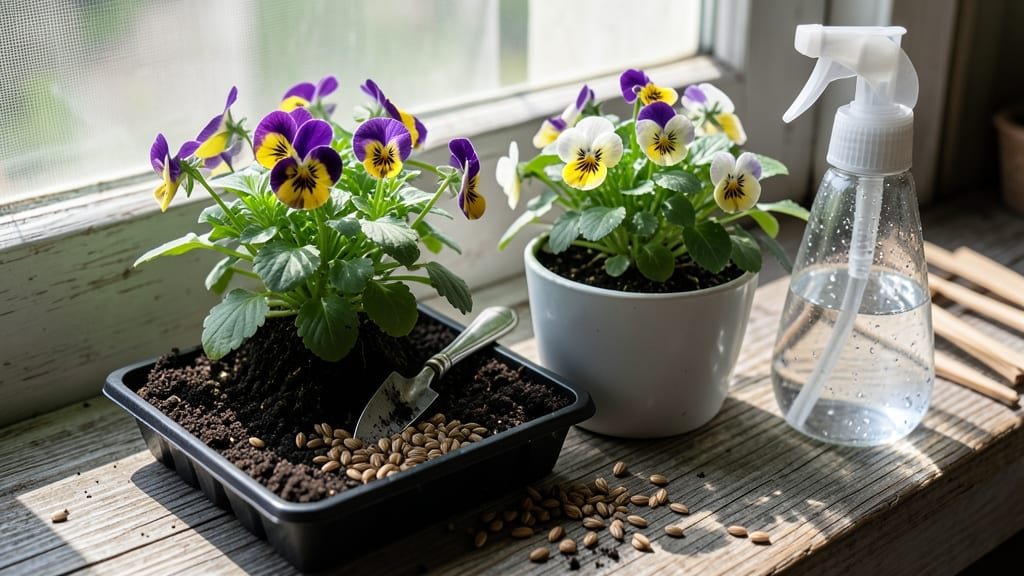
To plant Johnny Jump Up seeds 🌸 successfully, you’ll need just three simple steps—but timing and depth are everything. If you’ve ever stared at a packet of seeds wondering why they won’t sprout, the answer might be hiding in how deep (or shallow) you buried them.
Johnny Jump Up thrives when planted at the perfect ¼ to ½-inch depth, a trick that cuts germination time from weeks to days. Too deep, and they’ll struggle; too shallow, and they’ll dry out before sprouting.
This cheerful wildflower isn’t picky about soil, but it does demand consistent moisture and the right temperature to wake up.
In this guide, I’ll walk you through the fastest way to plant these seeds—when to start (hint: March or April in most zones), how to prep your soil, and the spacing secrets that keep your blooms lush. No guesswork, just proven results for a garden bursting with color by spring.
By the end, you’ll know exactly how to turn those tiny seeds into a pollinator paradise, complete with tips for companion plants and troubleshooting slow starters. Let’s get those Johnny Jump Ups growing!

Optimal Johnny Jump Up seed planting depth for fast germination
If you’ve ever planted Johnny Jump Up seeds and waited weeks without success, you’re not alone. These cheerful wildflowers need precise planting depth and ideal soil conditions to germinate quickly—typically within 7-21 days. The key?
Planting them just ¼ to ½ inch deep in warm, moist soil. Too shallow, and they dry out; too deep, and they struggle to break through. Let’s unlock the secrets to fast, reliable germination.
Soil temperature plays a critical role in Johnny Jump Up germination. These seeds thrive when soil reaches 60-75°F. If your soil is cooler, germination slows dramatically or may fail entirely. Use a soil thermometer to check—spring or fall planting works best in most climates.
For faster results, consider starting seeds indoors under grow lights 4-6 weeks before your last frost date, then transplant seedlings outdoors once temperatures stabilize.
Moisture balance is just as important as depth. After planting, keep the soil consistently moist but never soggy. A light misting with a spray bottle works well for small seedbeds, while a gentle watering can suffices for larger areas.
Mulch with straw or shredded leaves to retain moisture and regulate soil temperature. Avoid overhead watering, which can dislodge seeds or cause fungal issues.
Here’s a quick reference for your Johnny Jump Up planting success:
| Factor | Specification | Pro Tip |
|---|---|---|
| Planting Depth | ¼ to ½ inch | Use a toothpick to mark depth if unsure. |
| Soil Temperature | 60-75°F | Black plastic mulch warms soil faster. |
| Moisture Level | Consistently moist | Water at soil level, not overhead. |
| Germination Time | 7-21 days | Patience! Cool soil delays germination. |
| Best Planting Time | Spring or fall | Avoid summer heatwaves for seedlings. |
What if your Johnny Jump Up seeds refuse to sprout? First, check for freshness—old seeds may have lost viability. Store-bought seeds last 1-2 years when kept in a cool, dry place. If seeds are fresh, the issue might be soil compaction or poor drainage.
Loosen the soil with a fork before planting, and mix in compost or perlite to improve aeration. For stubborn cases, try a seed scarification technique: lightly nick the seed coat with sandpaper to encourage faster germination.
Once your seeds sprout, resist the urge to move them too soon. Young seedlings are delicate and shallow-rooted. Wait until they develop 2-3 true leaves (not just the initial seed leaves) before transplanting. Harden off seedlings by gradually exposing them to outdoor conditions over 5-7 days if starting indoors.
This toughens them up for the garden. For direct-sown seeds, thin seedlings to 6-12 inches apart once they’re 2-3 inches tall to prevent overcrowding.
Light is another game-changer for Johnny Jump Up germination. While these flowers tolerate partial shade, they germinate best in bright, indirect light. If growing indoors, place seeds near a south-facing window or under grow lights for 12-16 hours daily.
Outdoors, choose a spot with at least 4-6 hours of sunlight per day. Too much shade can lead to leggy, weak seedlings that struggle to bloom.
Don’t forget that Johnny Jump Up is a self-seeding wildflower. Once established, it’ll pop up year after year in your garden with minimal effort. To encourage this, let some flowers go to seed after blooming. Deadhead spent blooms only if you want to control where new plants appear.
This hardy annual (or short-lived perennial in mild climates) rewards patience with months of vibrant color and a steady stream of pollinators like bees and butterflies.
If you’re still facing germination challenges, try a seed tape method for precision. Mix seeds with a light adhesive (like diluted white glue) and press them onto a strip of paper towel or biodegradable tape.
Plant the tape directly into the soil—this ensures even spacing and depth while keeping seeds protected. It’s a lifesaver for tiny seeds like Johnny Jump Up’s! With these tips, you’ll be enjoying a burst of color in no time.
🌸
Best soil conditions and companion plants for Johnny Jump Up growth
Johnny Jump Up thrives in well-draining soil with a pH between 6.0 and 7.5. This neutral to slightly acidic range ensures your plants absorb essential nutrients like nitrogen and phosphorus for vibrant blooms.
Test your soil with a simple kit—amend it with compost or aged manure if needed to improve fertility and texture. These amendments also boost microbial activity, which helps roots establish faster.
For sunlight, Johnny Jump Up adapts beautifully to full sun to partial shade. In hot climates, morning sun with afternoon shade prevents leaf scorch while maintaining abundant flowering. If your garden receives less than 4 hours of direct light, expect fewer blooms but still healthy foliage.
A south-facing bed with dappled shade from nearby trees works perfectly for most regions.
🌱Pro Tip: Mulch around your Johnny Jump Up plants with straw or shredded leaves to retain moisture and suppress weeds. This low-maintenance layer also regulates soil temperature, protecting roots during heatwaves or late frosts.
Johnny Jump Up Soil & Companion Plant Guide
DO ✅
- 🌱 Test soil pH (6.0-7.5) before planting
- 🌿 Add compost (2-3 inches) for organic matter
- ☀️ Plant in full sun (6+ hours/day) for best blooms
- 🌼 Pair with coneflowers (companion plant)
- 💧 Water at soil level (avoid wetting leaves)
DON'T ❌
- 🚫 Plant in heavy clay (roots need drainage)
- 🚫 Over-fertilize (can cause leggy growth)
- 🚫 Crowd with mint (aggressive spreader)
- 🚫 Ignore pests (aphids love Johnny Jump Up)
- 🚫 Let soil dry out (seeds need consistent moisture)
When selecting companion plants, prioritize those that share similar water and sunlight needs. Coneflowers (Echinacea) and Black-Eyed Susans (Rudbeckia) create a stunning pollinator-friendly trio, while calendula deters pests naturally.
Avoid planting near mint or invasive ground covers, as they compete aggressively for nutrients and space. Instead, try lavender for its aromatic benefits and pest-repellent properties.
For container gardening, mix Johnny Jump Up with sweet alyssum or pansies in a well-draining potting mix. Ensure containers have drainage holes and use a lightweight soil blend (50% potting soil, 30% perlite, 20% compost).
In-ground plantings benefit from a 2-inch layer of compost worked into the top 6 inches of soil before sowing seeds.
🌿Remember: Johnny Jump Up is a self-seeding annual, meaning it’ll return year after year if given the right conditions. Let some flowers go to seed to naturally populate your garden, but deadhead spent blooms in late summer to encourage longer flowering periods and prevent overcrowding.