
Planting
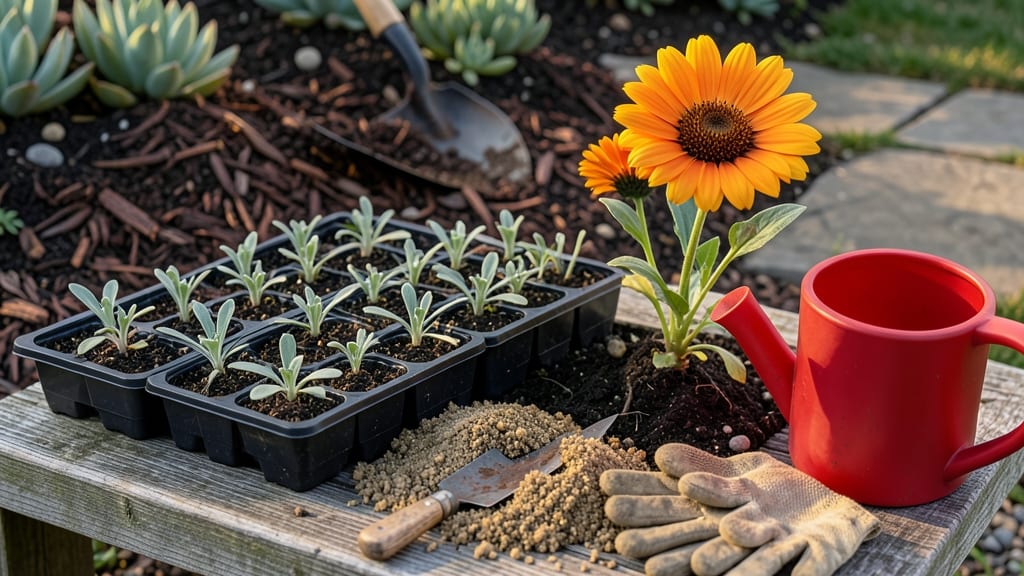
Planting gazania transforms your containers into bursts of color that last all summer long. ✨ These sun-loving flowers thrive with minimal fuss, but getting the spacing and depth right is key—too deep and they rot, too shallow and they struggle to root.
My first batch of gazania nearly failed because I planted them too close together, but once I adjusted, they bloomed nonstop for months.
The secret to happy gazania starts with well-draining soil and a sunny spot that gets at least 6 hours of direct sunlight daily. Use a mix of potting soil with perlite or sand to prevent soggy roots, and choose containers with drainage holes.
Plant seeds about 1/4 inch deep, spacing them 12-18 inches apart—this gives their roots room to spread and their blooms space to shine.
After planting, water gently to settle the soil, then let it dry out between waterings. Gazania hate soggy feet, so always check the top inch of soil before watering again.
Within 2-3 weeks, you’ll see those first bright green leaves pushing through, and by late spring, you’ll have a container full of cheerful blooms that open in the morning and close by afternoon.
In warmer climates, gazania are perennial and may even self-seed, but in cooler areas, treat them as annuals. If your summers get hot, provide afternoon shade to prevent wilting—this is the only time they’ll need extra care.
With the right setup, your gazania will reward you with months of vibrant color and minimal effort.
📚 In This Guide
- What you need
- Instructions
- Tips and common mistakes
- Wrapping up and next steps
What you need
- ● Gazania plants: Start with healthy nursery-grown gazania (6–12 plants, depending on container size). Choose varieties like Gazania rigens or Gazania krebsiana for bold colors!
- ● Well-draining potting mix: 1–2 bags (10–15 quarts each) of a lightweight, sandy mix (e.g., cactus/succulent blend) to prevent root rot.
- ● Containers or garden bed: Containers: 5–10 gallon pots (with drainage holes) for 1–3 plants each.
- ● Garden beds: Full sun exposure (6+ hours/day) and loamy, well-draining soil (amend with perlite if clay-heavy).
- ● Garden gloves: 1 pair (to protect hands from thorns on some varieties).
- ● Trowel or hand shovel: 1 small (for transplanting).
- ● Watering can or hose with gentle nozzle: 1 (gazanias hate soggy roots!).
- ● Slow-release fertilizer: 1 packet (10–12 month granules) to boost blooms.
- ● Mulch (gravel or pebbles): 1 bag (to retain moisture and deter weeds).
- ● Plant markers: 1–2 (if mixing varieties for easy ID).
- ● Pruning shears: 1 pair (for deadheading spent blooms).
Step-by-step guide to planting gazania in containers
Here's how to get vibrant gazania blooms thriving in pots with minimal fuss.
🌱 Step 1: Choose the Right Containers and Drainage
Gazania loves containers with excellent drainage—pick pots with multiple holes at the bottom. I use 6-8 inch diameter containers for each plant, as they need room to spread. If your pots lack drainage, drill extra holes or place them on saucers filled with gravel to prevent waterlogging.
Fill each pot with well-draining potting mix—gazania hates soggy roots. Mix in perlite or coarse sand (about 20% of the total volume) to improve aeration. The soil should feel light and crumbly, like a sponge that holds moisture but drains quickly. Tap the pot gently to settle the mix without compacting it.
☀️ Step 2: Select the Perfect Spot for Sun and Shelter
Gazania craves full sun—at least 6-8 hours daily—but its tender leaves burn easily in harsh afternoon heat. Place containers where they get morning sun and afternoon shade if temperatures exceed 85°F. A covered patio or balcony with partial shade works well in hot climates.
Wind can stress gazania, so position pots where they’re protected from strong breezes. If you’re planting outdoors, choose a spot with some windbreak, like near a fence or wall. You’ll know the location is right when the plants stay upright and leaves look plump, not wilted.
🌿 Step 3: Plant Gazania with Proper Spacing and Depth
Dig a hole twice as wide as the root ball but only as deep as the container’s original soil line. Gazania roots are shallow, so planting too deep suffocates them. Gently remove the plant from its nursery pot and loosen any circling roots with your fingers—this encourages outward growth.
Place the gazania in the hole, then backfill with soil, pressing lightly to remove air pockets. Space plants 8-12 inches apart in larger containers to allow airflow and prevent crowding. Water deeply right after planting to settle the soil and remove any air gaps around the roots.
💧 Step 4: Water and Fertilize for Strong Growth
Water gazania only when the top inch of soil feels dry—overwatering causes root rot. I use a watering can with a narrow spout to direct moisture at the base, avoiding wet leaves. In containers, gazania may need watering every 2-3 days in hot weather, but always check the soil first.
Feed with a balanced liquid fertilizer (10-10-10) every 4-6 weeks during the growing season. Dilute to half-strength to avoid burning tender roots. You’ll see healthier foliage and more blooms within a few weeks of consistent feeding.
✂️ Step 5: Deadhead and Maintain for Continuous Blooms
Pinch or cut off spent blooms just above the next set of leaves to encourage new flowers. Gazania blooms naturally fade in the afternoon, but deadheading keeps them producing all season long. I do this every 2-3 days during peak bloom time—it takes less than a minute per plant.
In fall, when temperatures drop below 50°F, gazania goes dormant. Reduce watering and move containers to a bright, cool spot (like a garage with natural light). With proper care, your gazania will bounce back in spring, ready to bloom again.
Tips & tricks for perfect gazania planting
Here's what nobody tells you about keeping your gazania thriving once they're planted.
Container Size Matters: While 6-8 inch pots work well, gazania can handle larger containers up to 12 inches in diameter. Just make sure each plant has at least 8-12 inches of spacing between neighbors in bigger pots. I've found that larger containers actually help maintain moisture better during hot spells, reducing the need for frequent watering. The key is ensuring the soil-to-plant ratio stays balanced—never let the roots get cramped.
Sunlight Strategy: The 6-8 hours of daily sun requirement is non-negotiable, but here's the secret: rotate your containers every few days if you notice uneven growth. Plants will naturally lean toward the light source, and this simple rotation keeps them growing straight and full. In extremely hot climates (above 90°F), I've had success moving containers to morning sun only and providing afternoon shade with sheer curtains—this prevents leaf scorch while still giving them plenty of light.
Soil Mix Upgrade: That 20% perlite or coarse sand recommendation is perfect, but here's what I do differently: I add a handful of worm castings to the mix before planting. The extra nutrients give gazania a stronger start, and the worm castings help retain moisture without compacting the soil. This small addition has dramatically improved my blooming rate—especially during the first few weeks after planting.
Watering Wisdom: The "top inch dry" rule is solid, but here's how I put it into practice: I stick a chopstick into the soil after watering. When it comes out clean (not wet), I know it's time to water again. This method is foolproof because it accounts for both soil type and container size variations. In summer heat, I water in the early morning to prevent evaporation and fungal issues from overnight moisture.
Pro Tips for Plant Gazania
- Here's what nobody tells you about keeping your gazania thriving once they're planted.
- Container Size Matters: While 6-8 inch pots work well, gazania can handle larger containers up to 12 inches in diameter.
- Sunlight Strategy: The 6-8 hours of daily sun requirement is non-negotiable, but here's the secret: rotate your containers every few days if you notice uneven growth.
Frequently asked questions
Got questions about planting gazania?
Here are answers to the most common ones—from timing to troubleshooting—to help you grow these cheerful blooms with confidence!
When is the best time to plant gazania?
Plant gazania in early spring after the last frost (around USDA Zones 8-11) or in late summer for a fall display. In warmer climates, you can plant year-round. Avoid extreme heat or cold—gazania thrives in 60–80°F soil temps. For containers, wait until nighttime temps stay above 50°F.
Can gazania survive winter?
No, gazania is annual in cold climates (Zones 9-11) and may die back in frost. In cooler areas, treat it as a tender perennial—dig up tubers in fall, dry them, and store in a cool, dark place until replanting next spring. If left in the ground, mulch heavily to protect roots, but expect regrowth only in mild winters.
Why aren’t my gazania flowers opening?
Gazania flowers close at night or in cloudy weather—it’s normal! If they stay shut during the day, check for:
- Too much shade: Move to full sun (6+ hours/day).
- Overwatering: Let soil dry between waterings; soggy roots cause stress.
- Nutrient deficiency: Feed with a balanced fertilizer (10-10-10) every 4-6 weeks.
- Heat stress: Provide afternoon shade in extreme heat (above 90°F).
What’s a good alternative if gazania doesn’t thrive in my climate?
If your area is too cold or humid, try these sun-loving, drought-tolerant alternatives:
- Portulaca (Moss Rose): Thrives in heat, blooms all summer, and loves poor soil.
- Zinnia: Easy to grow, long-lasting, and handles light frost better.
- Lantana: Drought-resistant, attracts pollinators, and blooms nonstop.
- Calendula: Edible, pest-repellent, and tolerates partial shade.
How do I revive a leggy or floppy gazania plant?
Leggy or floppy gazania often means too little light or overcrowding. Fix it by:
- Moving the plant to a sunnier spot immediately.
- Thinning out crowded containers—space plants 6–12 inches apart.
- Pruning back overgrown stems to encourage bushier growth.
- Avoid fertilizing heavily—focus on sun and well-draining soil.
Wrapping up and next steps
Planting gazania is a rewarding way to bring vibrant, sun-loving color to your garden or containers—even if you’re new to gardening! With the right soil, spacing, and care, these cheerful blooms will reward you with months of dazzling displays. 🌞
Now that you’re ready to plant, take the next step by monitoring your gazania’s progress and adjusting care as needed. Watch those first buds open, and soon you’ll have a thriving, low-maintenance garden that turns heads (and maybe even inspires your neighbors to try them too!). Happy planting! 🌸