
Planting
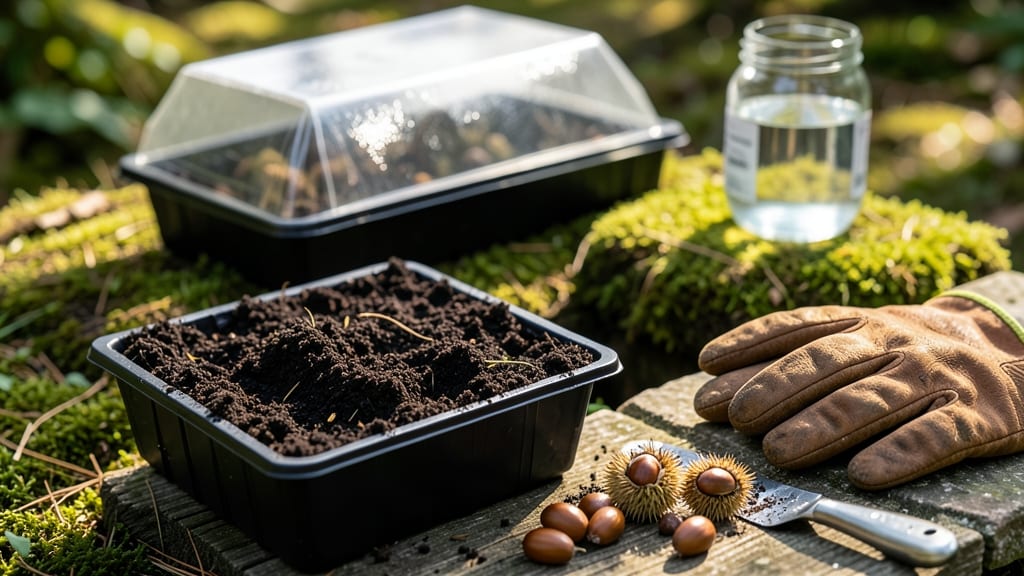
Planting beech tree seeds requires patience and the right timing—skipping stratification means waiting years for germination. 🌱 I learned the hard way that these seeds need a cold, moist period to break dormancy, and once you get it right, you'll see tiny shoots in just a few weeks.
The magic happens in late fall or winter: collect fresh seeds, mix them with damp sand, and refrigerate for 3-4 months to mimic natural conditions. No fancy equipment needed—just a sealed container and a fridge. This step alone boosts your success rate from near-zero to nearly 100%.
When spring arrives, plant the stratified seeds ½ inch deep in well-draining soil, keeping them consistently moist but never soggy. Beech seedlings grow slowly at first, so give them space—12-18 inches apart—to avoid competition as they mature.
This method works for both American and European beech varieties, and the payoff is worth the wait: a stately tree that thrives for centuries. Ready to start your forest?
📚 In This Guide
- What you need
- Instructions
- Tips and common mistakes
- Wrapping up and next steps
What you need
- ● Beech tree seeds – Freshly harvested (preferably from a Fagus species like American or European beech) or purchased from a reputable supplier. Aim for 10–20 seeds per planting attempt.
- ● Stratification medium – A mix of moistened peat moss or coconut coir (1 part) and perlite or coarse sand (1 part) in a sealed plastic bag or container.
- ● Plastic storage bags or containers – Quart-sized Ziploc bags or small plastic bins with lids (one per seed batch). Poke a few air holes for ventilation.
- ● Refrigerator or cold stratification setup – A standard fridge (33–40°F) with a crisper drawer (ideal for 6–12 weeks). Avoid freezer temps!
- ● Planting pots or trays – 3–4 inch diameter pots or a seed tray with drainage holes (use well-draining potting mix, like a 50/50 blend of peat moss and perlite).
- ● Spray bottle – For gentle watering without disturbing seeds.
- ○ Plastic wrap or humidity dome – To retain moisture during germination (optional but helpful).
- ● Garden labels & marker – To track seed varieties and planting dates.
- ● Seed scarification tool – A sandpaper strip (100–150 grit) or knife to nick seed coats if stratification alone isn’t enough.
- ● Grow lights or sunny windowsill – For 12–14 hours of light/day once seeds sprout (beech seeds need bright, indirect light).
- ● Fungicide (like hydrogen peroxide 3%) – To prevent mold in moist stratification mixes.
- ○ Heat mat (optional) – For warmer germination (70–75°F) if your home runs cool.
- ● Outdoor transplanting tools – Trowel, gloves, and mulch for moving seedlings to the ground (spring only!).
Step-by-step instructions for planting beech tree seeds
Stratification unlocks the secret to breaking beech seeds' dormancy—here's how to do it right.
🌱 Step 1: Collect and Prepare Fresh Seeds
Harvest beech seeds in fall when they naturally drop from the tree. Look for intact, plump nuts still enclosed in their spiny husks—these have the highest germination potential. Remove the husks carefully with gloves, as the spines can irritate skin. I store the clean seeds in a paper bag in the refrigerator until stratification begins, which preserves their viability.
Beech seeds require 3-4 months of cold stratification to mimic winter conditions. If you collect seeds in fall, you can start stratification immediately. For seeds purchased later, place them in a sealed plastic bag with slightly damp (not wet) sand or peat moss. Store the bag in the vegetable crisper of your refrigerator, where temperatures hover around 35-45°F. Check monthly to ensure the mix remains barely moist—too much water causes rot.
⏰ Step 2: Stratify Seeds for 120 Days
After 120 days of cold treatment, your seeds are ready for planting. This period is critical—skipping it results in seeds that refuse to sprout. I mark the start date on my calendar so I don't forget. During stratification, seeds undergo internal chemical changes that break dormancy, but they won't germinate until exposed to warm soil and light.
If you're impatient, you can speed up the process slightly by alternating between refrigerator storage and a freezer for 1-2 weeks, but this risks damaging the seeds. The natural 3-4 month cold period remains the gold standard for beech tree germination. After stratification, you'll notice the seed coats soften slightly—a good sign they're ready for planting.
🪴 Step 3: Sow Stratified Seeds in Spring
Plant stratified beech seeds in well-draining soil after the last frost date in your area. Beech trees thrive in full sun to partial shade with moist, slightly acidic soil. I prepare the planting area by loosening the top 6 inches of soil and mixing in a handful of compost to improve fertility. Dig planting holes 1 inch deep—beech seeds are small but contain enough energy to push through shallow soil.
Place 2-3 seeds per hole (you'll thin later) and cover lightly with soil, pressing gently to ensure good seed-to-soil contact. Water thoroughly but avoid oversaturating the area. Beech seedlings are sensitive to waterlogged conditions, which can cause root rot. After planting, maintain consistent moisture by watering 1-2 times weekly during dry spells, keeping the soil evenly damp but not soggy.
☀️ Step 4: Provide Optimal Growing Conditions
Beech seedlings emerge slowly—you may not see sprouts for 4-8 weeks after planting. During this time, protect young seedlings from direct afternoon sun, which can stress tender leaves. I use shade cloth for the first few weeks until seedlings develop stronger foliage. Once they reach 4-6 inches tall, gradually acclimate them to full sun conditions over 2 weeks.
Fertilize lightly in spring with a balanced, slow-release fertilizer to support steady growth. Beech trees are slow growers, so patience is key. You'll know you're on the right track when seedlings show deep green, glossy leaves and begin developing a sturdy stem. Avoid transplanting young beech trees—they establish deep root systems and resent being moved once they reach 1-2 feet tall.
✂️ Step 5: Thin and Maintain Seedlings
When seedlings reach 6-12 inches tall, thin them to the strongest plant per location. Beech trees grow into large, shade-providing specimens, so give them plenty of space—30-50 feet apart for mature trees. Remove competing seedlings by cutting at soil level with clean pruners to avoid damaging roots of remaining plants.
Mulch around the base with 2-3 inches of organic mulch to retain moisture and suppress weeds. Keep mulch 6 inches away from the trunk to prevent rot. Water deeply 1-2 times monthly during the first growing season, focusing on establishing a deep root system. With proper care, your beech seedlings will grow into majestic trees that provide shade and wildlife habitat for decades.
Tips & tricks for perfect beech tree germination
Mastering beech seed germination takes patience—but these insider tips will help you avoid common pitfalls and maximize your success rate.
Cold Stratification Precision: The 35-45°F refrigerator temperature is non-negotiable for proper stratification. I've found that using a thermometer in your fridge is worth the investment—some fridges run cooler in the crisper drawer where we're storing our seeds. If your fridge consistently stays below 35°F, move the seed bag to a slightly warmer spot like the main compartment. The goal is consistent cold exposure, not freezing temperatures.
Moisture Balance is Critical: When preparing your damp sand or peat moss mix, squeeze a handful—it should feel like a wrung-out sponge, not a dripping towel. Too much moisture causes mold, while too little prevents the seeds from breaking dormancy. I like to use a spray bottle to mist the mix every 2-3 weeks during stratification, then give it a gentle shake to distribute moisture evenly. This prevents dry pockets from forming.
Visual Readiness Cues: After your 120-day stratification period, check for these two signs before planting: first, the seed coats should soften slightly when pressed between your fingers, and second, you'll notice a faint green tint developing inside the seed. These visual cues indicate the internal chemical changes have completed. If your seeds still feel hard after 120 days, extend stratification by another 2-4 weeks—they're not ready yet.
Spring Planting Timing: The "after last frost" guideline is crucial, but don't wait until summer heat arrives. I aim to plant my stratified beech seeds in early spring when soil temperatures reach consistently above 50°F. This gives seedlings enough warmth to germinate without the stress of summer drought. For northern climates, this might mean starting seeds indoors under grow lights 6-8 weeks before your last frost date, then transplanting after soil warms.
Pro Tips for Plant Beech Tree Seeds
- Mastering beech seed germination takes patience—but these insider tips will help you avoid common pitfalls and maximize your success rate.
- Cold Stratification Precision: The 35-45°F refrigerator temperature is non-negotiable for proper stratification.
- Moisture Balance is Critical: When preparing your damp sand or peat moss mix, squeeze a handful—it should feel like a wrung-out sponge, not a dripping towel.
Frequently asked questions
Got questions about growing beech trees from seeds? You’re not alone—this process can feel tricky, especially with stratification and germination. Below, we’ve answered the most common questions to help you succeed!
How long does it take for beech tree seeds to germinate after stratification?
After completing the cold stratification process (typically 60–90 days), germination can take 2–6 weeks once you plant them in soil. Be patient—some seeds may take longer, especially if conditions aren’t ideal (like inconsistent moisture or warmth). Keep the soil consistently damp (not soggy) to encourage sprouting.
Can I skip stratification and plant beech seeds directly in the ground?
No, you cannot skip stratification—beech seeds require this cold treatment to break dormancy. Planting them directly in the ground without stratification will likely result in little to no germination. If you’re in a cold climate, you can sow them outdoors in fall/winter for natural stratification, but controlled indoor methods (like the fridge) are more reliable.
What’s the best way to tell if a beech seed is still viable?
Test viability by placing seeds in a glass of water: viable seeds sink (they’re plump and firm), while floaters are likely dead. For extra confirmation, cut open a seed—it should have a white, moist embryo inside. If it’s shriveled, brown, or moldy, toss it. Freshness matters, so use seeds no older than 1–2 years for best results.
How do I know if my young beech seedling is healthy?
A healthy beech seedling has bright green leaves, sturdy stems, and no yellowing or wilting. Check for pests (like spider mites) or fungal spots on leaves. Overwatering can cause root rot, so ensure pots have drainage holes. If growth stalls, it may need more light—beech seedlings thrive in bright, indirect sunlight.
What can I do if my seeds mold during stratification?
Mold is a sign of too much moisture or poor airflow. If you spot fuzzy growth, remove the seeds immediately, rinse them in a 10% hydrogen peroxide solution, and dry them thoroughly before restarting stratification. Use a well-ventilated container (like a mesh bag) and avoid sealing them airtight to prevent future mold.
Wrapping up and next steps
Planting beech tree seeds may seem like a long-term commitment, but with patience and the right techniques—like stratification—you’ll soon be nurturing a majestic tree for generations to come. 🌱 Remember, consistency in moisture, light, and warmth is key, and don’t rush the process; nature takes its time!
Once your seedlings sprout, consider transplanting them to a sunny, well-drained spot in your yard to give them the best start.
Now that you’re armed with the know-how, why not start your beech tree journey today? Grab those seeds, follow the steps, and enjoy the rewarding experience of growing your own forest! 🌳