
Planting
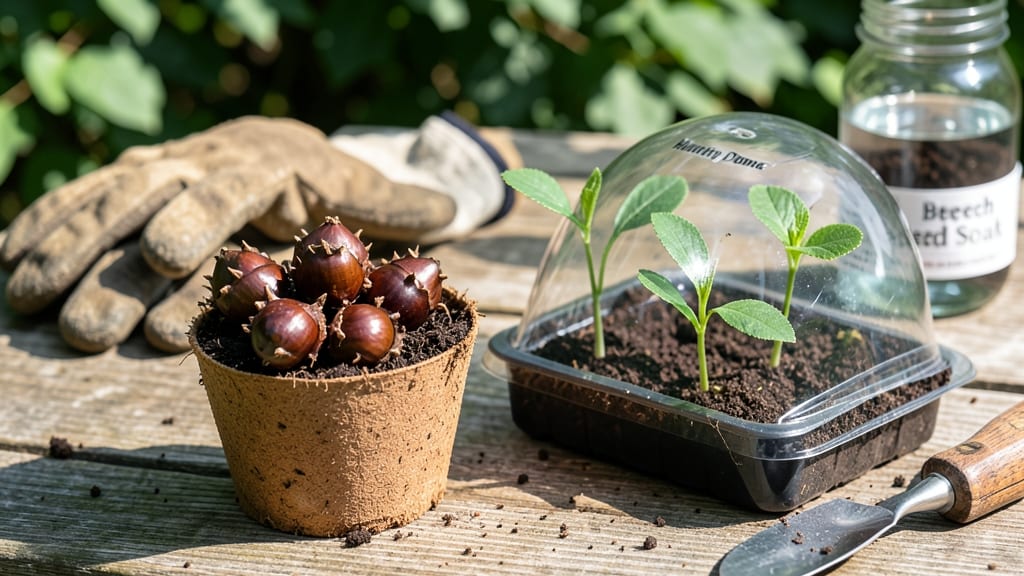
Planting beech seeds 🌳 requires patience and a little winter magic to break their dormancy—cold stratification is the trick that turns stubborn seeds into thriving saplings.
If you’ve ever stared at a bag of beech seeds wondering why they refuse to sprout, you’re not alone. The answer lies in mimicking nature’s timing with a simple cold treatment that can cut germination time from months to weeks.
Beech trees thrive in USDA Zone 6a and beyond, but their seeds need a chill period to wake up. Whether you’re planting in late fall or early spring, this method ensures your seeds get the signal they need to grow.
Below, I’ll walk you through the exact steps for cold stratification, from materials to timing, plus the fastest way to avoid common pitfalls that kill seedlings before they start.

Cold stratification for beech seeds: step-by-step guide for success
If you've ever tried growing beech trees from seeds and watched them sit dormant for months, you're not alone. Beech seeds require a natural winter chill to break their dormancy—a process called cold stratification.
Without it, germination rates drop dramatically, leaving you waiting years for those first green shoots. The good news? You can mimic nature's timing with a few simple supplies and patience.
Cold stratification tricks your seeds into thinking they've survived winter, tricking them into germinating when spring arrives. Whether you're growing American beech, European beech, or Oriental beech, this method works for all species.
The key lies in moisture, temperature, and timing—all of which I'll break down in my proven step-by-step approach. Grab your seeds and let's get started!
How to Stratify Beech Seeds for Maximum Germination
- 1
- 2
- 3
- 4
- 5
- 6
- 7
- 8
Timing is everything with cold stratification. If you start too early, your seeds might dry out or mold before sprouting. If you wait too long, they risk losing viability.
I recommend beginning the process in late October or early November so your seeds experience their "winter" in the fridge and can be planted outdoors in early spring. This aligns perfectly with nature’s cycle and gives seedlings a head start.
One of my biggest lessons came from a batch of European beech seeds I stratified in wet sand instead of peat moss. The sand dried out too quickly, and half the seeds failed to germinate.
Since then, I’ve stuck with peat moss or coconut coir—they hold moisture better and keep the seeds happy. Pro tip: If you don’t have peat moss, a mix of vermiculite and perlite works in a pinch!
After stratification, the transition to soil is critical. I’ve found that seedling trays with drainage holes prevent root rot, and a 50/50 mix of potting soil and perlite gives young beech trees the airy, well-draining environment they crave.
Keep the soil consistently moist but never soggy—beech seedlings are finicky about waterlogged roots. A spray bottle helps maintain gentle moisture without disturbing delicate sprouts.
Patience is key when growing beech trees from seeds. Some varieties, like the Oriental beech, can take up to 180
Best beech seed varieties and when to plant them
Choosing the right beech seed variety is key to success—each type has unique stratification needs and planting windows. Whether you're growing American beech, European beech, or Oriental beech, timing your cold treatment and outdoor planting makes all the difference.
Let’s break down the best options and when to plant them for maximum germination.
Native to North America, American beech (Fagus grandifolia) thrives in USDA zones 3-9 and requires 90-120 days of cold stratification. This species is hardy and adaptable, making it a favorite for backyard gardens and woodland restoration.
Plant seeds outdoors in late fall (October-November) to take advantage of natural winter chilling, or start indoors in January-February after stratification.
European beech (Fagus sylvatica) is more common in European gardens and prefers USDA zones 4-8. Its seeds need 60-90 days of cold treatment, slightly shorter than American beech. For best results, sow seeds in early spring (March-April) after stratification, or plant directly in autumn for natural cold exposure. This variety is prized for its ornamental value and shade tolerance.
Oriental beech (Fagus orientalis), native to the Caucasus region, is less common but stunning with its purple-tinged foliage. It requires 120-150 days of cold stratification and thrives in USDA zones 5-8. Plant seeds outdoors in late autumn (November) or start them indoors in winter for spring transplanting. This variety is perfect for container gardening in cooler climates.
| Variety | Cold Stratification Duration | Best Planting Window | USDA Zones | Key Notes |
|---|---|---|---|---|
| American Beech | 90-120 days | Late Fall (Oct-Nov) or Jan-Feb | 3-9 | Hardy, adaptable, great for shade |
| European Beech | 60-90 days | Early Spring (Mar-Apr) or Autumn | 4-8 | Ornamental, shade-tolerant, slower growth |
| Oriental Beech | 120-150 days | Late Autumn (Nov) or Winter | 5-8 | Purple foliage, container-friendly |
For all varieties, soil preparation is critical. Mix seeds with moist peat moss or perlite during stratification to maintain consistent moisture. After stratification, transplant seedlings into well-draining soil with partial shade for the first year.
Avoid planting in hot summer months, as young seedlings struggle with heat stress.
Pro tip: Label your seeds and track stratification start dates to ensure you plant them at the right time. American beech seeds often germinate faster in spring, while European beech may take longer. Patience is key—some seeds may not sprout until the second year! 🌱
Once seedlings reach 6-12 inches tall, they’re ready to be transplanted to their permanent location. Choose a spot with full sun to partial shade and acidic, well-draining soil.
Mulch around the base to retain moisture and protect roots during drought or freezing temperatures. With proper care, your beech seedlings will grow into majestic trees for decades! 🌳