
Planting
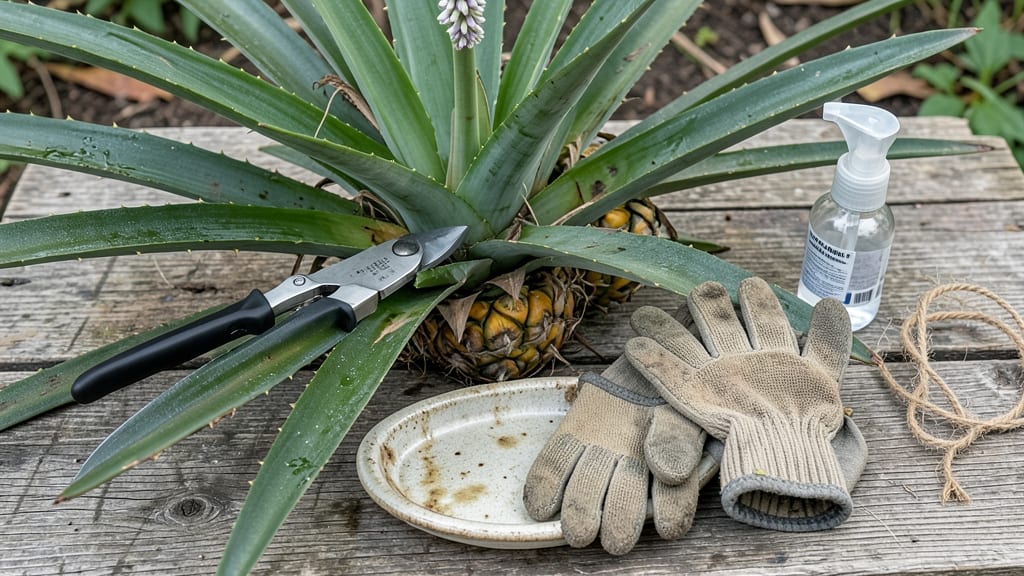
How to cut a pineapple off the plant is easier than you think—just wait for the right moment. 🌱 The key is knowing when the fruit is ripe enough to harvest without damaging the plant or sacrificing sweetness. I’ve harvested dozens, and the best time is when the leaves at the base turn yellowish-brown and the fruit feels heavy in your hand.
You’ll need just a few tools: a sharp knife or pruning shears (sterilized with rubbing alcohol), gloves (pineapple spines aren’t fun), and a clean bucket or bag for collecting the fruit. Safety first—those leaves are sharp, and the plant will thank you for a clean cut.
The goal is to slice through the stem cleanly, about an inch above the fruit’s base, to avoid rot.
Once cut, let the pineapple ripen indoors for a few days—it’ll soften slightly and develop that signature sweet aroma. The plant will still produce more fruit if healthy, so don’t worry about harming it. Just water it well and keep it in bright, indirect light to encourage new growth.
Pro tip: If the fruit feels too firm, wait another week—overripe pineapples bruise easily and may spoil faster. And if you’re growing indoors, a sunny windowsill works just as well as a tropical greenhouse. Happy harvesting!
📚 In This Guide
- What you need
- Instructions
- Tips and common mistakes
- Wrapping up and next steps
What you need
- ● Sharp pruning shears or a clean, heavy-duty knife – A sterilized tool (70% isopropyl alcohol wipe) prevents disease transfer. Size: 6-8" blade for precision.
- ● Rubbing alcohol (70% or higher) or bleach solution – For sanitizing tools. Quantity: Small bottle or spray.
- ○ Gloves (optional but recommended) – Protects hands from thorns and sap. Type: Heavy-duty gardening gloves.
- ● Supporting rope or burlap sack (2-3 feet long) – Helps stabilize the plant while cutting. Width: 1-2 inches.
- ○ Pruning sealant (optional) – Speeds up healing of the plant. Type: Horticultural wound sealant.
- ● Mature pineapple plant (18-24 months old) with a fully ripe fruit (golden base, sweet scent).
- ● Stable weather conditions – No rain for 24 hours to avoid soil erosion.
- ● Clear workspace – Flat, clean area near the plant to avoid dropping the fruit.
Step-by-step instructions for harvesting pineapples from the plant
Harvesting pineapples straight from the plant lets you enjoy the sweetest, freshest fruit possible.
🌿 Step 1: Identify a Ripe Pineapple
Look for a pineapple with a golden-yellow base and a firm, heavy feel when lifted. The crown leaves should pull out slightly when tugged—this means the fruit is mature. I always run my thumb along the bottom of the pineapple; if the skin is smooth and slightly waxy, it's ready to harvest.
Check the color of the leaves at the top. They should be turning brown and crispy rather than bright green. This indicates the fruit has fully ripened. If the leaves are still mostly green, wait another 7-10 days for full ripeness.
✂️ Step 2: Gather Your Tools
You'll need a sharp, clean knife or pruning shears for this step. A dull blade can crush the fruit and leave ragged cuts. I like to use a serrated knife because it gives me better control over the cut. Disinfect your tools with rubbing alcohol to prevent introducing bacteria to the plant.
Have a small bowl or bucket ready to catch the fruit as you cut it. Pineapples are heavy when ripe, so position yourself to support the weight comfortably. Wear gloves if you prefer—pineapple skin can be prickly and leave residue on your hands.
🌱 Step 3: Cut the Pineapple From the Plant
Stand the pineapple upright and make a clean, straight cut about 1-2 inches below the base. Angle the knife slightly downward to avoid damaging the plant's stem. Apply gentle pressure and let the blade do the work—don't force it. You'll feel a slight give as the fruit separates.
Once the pineapple is free, gently twist it to ensure the stem detaches completely. Leave the bottom portion (the crown) attached to the plant—this will grow into a new pineapple plant if you choose to propagate it. Place the harvested fruit in your bowl or bucket immediately to avoid bruising.
💧 Step 4: Handle the Harvested Pineapple
Rinse the pineapple under cool water to remove any dirt or debris from the skin. Pat it dry with a clean towel to prevent moisture buildup, which can cause rot. Store it in a cool, dry place like a pantry or refrigerator until you're ready to prepare it.
If you notice any soft spots or bruising, cut those areas off before storing. A ripe pineapple should feel firm but not rock-hard. The sweetness will intensify over the next 24-48 hours if left at room temperature, so plan accordingly if you're eager to enjoy it.
🌱 Step 5: Propagate the Crown for Future Plants (Optional)
If you saved the crown from the pineapple, you can propagate it into a new plant. Remove the bottom few inches of leaves to expose the stem, then let it dry in a warm, shaded spot for 1-2 days. This helps prevent rot when planting.
Plant the crown in well-draining soil with the bare stem inserted about 1 inch deep. Water lightly and keep the soil moist but not soggy. Place it in a location with bright, indirect light until it establishes roots, which can take 4-6 weeks. Once rooted, you can transplant it to a larger pot or garden bed.
Tips & tricks for perfect pineapple harvesting
Freshly harvested pineapples taste nothing like their store-bought counterparts—here's how to make the process smoother and more rewarding.
Timing is Everything: The 24-48 hour window after harvesting is when pineapples develop their peak sweetness. If you're eager to enjoy it immediately, try leaving it at room temperature for just 24 hours—this jumpstarts the natural sugar conversion process. I've found that pineapples harvested in the morning develop the most intense flavor by evening.
Tool Selection Matters: While a serrated knife works well, I've had the most success with a clean chef's knife for the harvest cut. The straight edge gives me better control when making that 1-2 inch cut below the base. For extra grip, wrap your hand with a damp paper towel—pineapple skin is slippery when ripe!
Propagation Insight: The crown you leave behind can grow into a new plant, but here's the secret: The bottom 2-3 inches of leaves contain the most growth hormones. When you're trimming those leaves for propagation, don't cut too aggressively—just enough to expose the stem. This small detail makes all the difference in successful root development.
Storage Wisdom: After rinsing, pat your pineapple dry with a clean kitchen towel, then place it in a paper bag with a few apple slices. The ethylene gas from the apples will help ripen any slightly underripe areas over the 24-48 hour storage period. Just don't seal the bag completely—you want some airflow to prevent moisture buildup.
Pro Tips for Cut A Pineapple Off The Plant
- Freshly harvested pineapples taste nothing like their store-bought counterparts—here's how to make the process smoother and more rewarding.
- Timing is Everything: The 24-48 hour window after harvesting is when pineapples develop their peak sweetness.
- Tool Selection Matters: While a serrated knife works well, I've had the most success with a clean chef's knife for the harvest cut.
Frequently asked questions
Got questions about harvesting pineapples straight from the plant? You're not alone! Here are some of the most common queries—and their answers—to help you master the process like a pro.
When is the best time to cut a pineapple from the plant?
The ideal time is when the fruit is fully ripe—usually 18–24 months after planting. Look for a golden-yellow color, a sweet scent at the base, and a slightly soft feel when squeezed gently. Pro tip: If the leaves start turning brown or the fruit feels heavy, it’s ready!
Do I need special tools to cut the pineapple off the plant?
Nope! A sharp, clean knife (or pruning shears) is all you need. Avoid dull tools—they can crush the fruit or leave jagged edges. Sterilize your blade with rubbing alcohol first to prevent infections. Bonus: Wear gloves if the plant has thorns!
How long does it take for a pineapple to ripen after cutting?
Freshly cut pineapples ripen in 2–4 days at room temperature. Place them in a cool, dry spot (like a fruit bowl) away from direct sunlight. For faster ripening, wrap the stem end loosely in plastic. Warning: Don’t refrigerate—it slows ripening and dulls the flavor!
What do I do with the plant after harvesting the pineapple?
Don’t toss it! The mother plant can produce 1–2 more pineapples over 2–3 years if cared for properly. Trim dead leaves, water moderately, and fertilize lightly. If the plant weakens, you can propagate pups (baby plants) growing at its base. Fun fact: Some growers keep their pineapple plants alive for decades!
Can I harvest a pineapple before it’s fully ripe?
Yes, but it won’t be as sweet or flavorful. If you must, pick it when it’s half-ripe (green with some yellow) and let it ripen indoors. Unripe pineapples are firmer and less juicy. Alternative: Try cooking with them—they’re great in pies or chutneys!
| Quick Troubleshooting Guide |
|---|
|
Fruit won’t come off easily? Let it hang for another week or gently twist it while cutting. Stem keeps bleeding? Dip the cut end in cinnamon powder to seal it and prevent rot. Pups aren’t growing? Ensure the plant gets bright, indirect light and well-draining soil. |
Wrapping up and next steps
Harvesting your own pineapple straight from the plant is a rewarding experience that connects you to the fruit’s journey—from vibrant green leaves to sweet, juicy perfection! 🌱 By following the steps outlined, you’ll ensure a clean, safe cut that preserves the plant’s health and maximizes your yield.
Whether you’re a first-time grower or a seasoned gardener, this process is simpler than you think.
Now that you’re ready to harvest, why stop there? Share your freshly cut pineapple with friends or family, or experiment with homemade pineapple recipes to savor the flavors of your hard work. Happy growing—and enjoy that sweet, tropical taste! 🍍✨