
How To
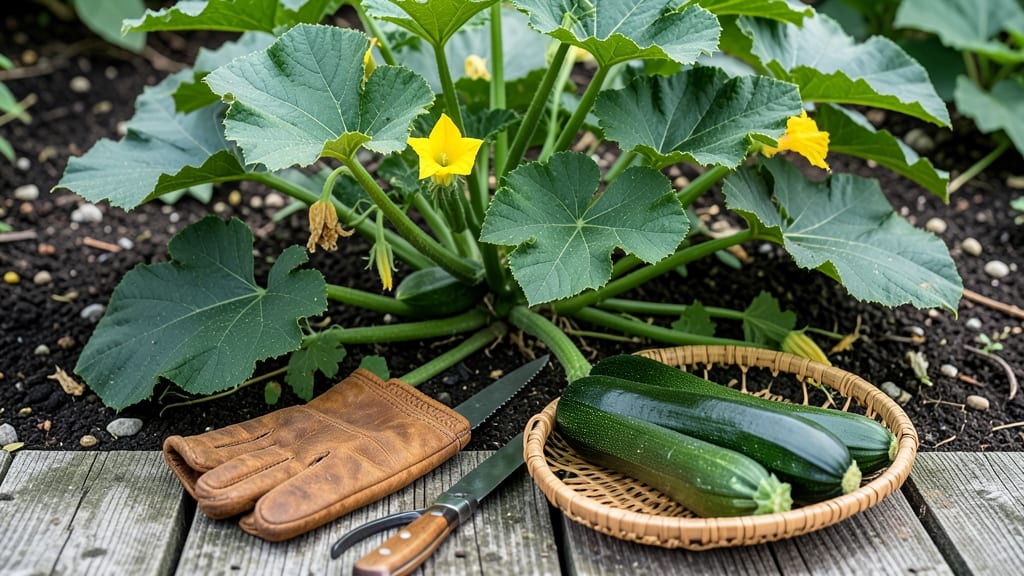
Harvesting zucchini from seed takes about 45 to 60 days—but that window can shrink or stretch depending on your soil, variety, and a few sneaky growing tricks.
If you’ve ever planted zucchini seeds in April only to stare at leafy vines all summer with no fruit in sight, you’re not alone. The timeline from seed to harvest isn’t set in stone—it’s a puzzle of soil warmth, daylight hours, and even how you space your plants.
Most gardeners expect their first ripe zucchini 🎃 around 50 days after planting, but fast varieties can deliver in as little as 40 days, while slower growers might need up to 60 days. The key? Understanding how temperature, sunlight, and pollination turn those tiny seeds into ready-to-eat squash.
In this guide, I’ll break down the exact stages—from sprouting to harvest—plus the 5 biggest factors that speed up or slow down your timeline. You’ll learn when to expect flowers, how to tell if your zucchini are truly ready, and even how to trick your plants into producing faster.

Zucchini seed germination to first harvest timeline: exact days breakdown
Understanding the zucchini seed germination timeline helps you plan for a successful harvest. From planting to picking ripe fruit, most varieties take 45 to 60 days, but factors like soil temperature and daylight exposure can shift this window.
Warmer soil and full sun accelerate growth, while cooler conditions delay it. Let’s break down the exact stages and how to optimize each phase for faster results.
Your journey begins with seed germination, which typically occurs in 3 to 10 days after planting, depending on soil warmth. Seeds need 60°F+ soil temperature to sprout efficiently. If your soil is cooler, germination can stretch to 2 weeks.
Once sprouted, seedlings emerge with cotyledon leaves (the first true leaves), signaling the start of the vegetative growth phase.
| Stage | Days to Complete | Key Milestones | Optimization Tips |
|---|---|---|---|
| Germination | 3–10 days | Seeds sprout; cotyledons appear | Keep soil at 60°F+; use black plastic mulch |
| Seedling Growth | 10–14 days | True leaves form; 4–6" tall | Thin seedlings to 12–24" apart; fertilize lightly |
| Flowering | 14–21 days | Yellow male flowers appear first; female flowers follow | Hand-pollinate if needed; ensure 6+ hours sun |
| Fruiting | 21–30 days | Zucchini swells; reaches 6–8" length | Harvest regularly to encourage more fruit; water deeply |
| Total Seed to Harvest | 45–60 days | Ready-to-eat zucchini (6–8" long) | Fastest varieties (e.g., 'Eight Ball') mature in 45 days |
The seedling growth phase (days 10–14) is where your zucchini plants bulk up. During this time, they develop true leaves and grow to about 4–6 inches tall. Thin seedlings to 12–24 inches apart to prevent competition.
If you’re growing in containers, ensure pots are at least 12 inches deep—shallow roots struggle to support heavy fruit.
Once seedlings hit 4–6 inches, they enter the flowering stage (days 14–21). This is when you’ll see yellow male flowers first, followed by tiny female flowers with a small zucchini bump at their base.
To speed up fruiting, hand-pollinate by transferring pollen from male to female flowers using a paintbrush or cotton swab. If bees are scarce, this step can cut 5–7 days off your harvest timeline.
By day 21–30, your zucchini plants will be in full fruiting mode. This is where patience pays off—or where impatience leads to overgrown fruit. Harvest zucchini when they’re 6–8 inches long to maintain quality.
Larger zucchini (10+ inches) become seedy and less flavorful. Regular harvesting also encourages more fruit production, as the plant focuses energy on new growth rather than maturing a single giant zucchini.
Fast-maturing varieties like 'Eight Ball' or 'Bush Baby' can produce harvest-ready zucchini in as few as 45 days, while slower varieties like 'Black Beauty' may take up to 60 days. The difference often comes down to genetics and growing conditions.
For example, 'Eight Ball' is bred for compact growth and early fruiting, while 'Black Beauty' prioritizes larger yields but takes longer to mature.
To accelerate the process, focus on three key factors: soil warmth, sunlight exposure, and consistent watering. Use black plastic mulch to raise soil temperature by 5–10°F, which speeds up germination.
Place your plants in the sunniest spot in your garden, ideally with 6–8+ hours of direct sunlight daily. Finally, water deeply 1–2 inches per week, ensuring the soil stays consistently moist but not waterlogged.
If
5 Critical factors that speed up or delay zucchini harvest time
Understanding the zucchini harvest timeline starts with recognizing that even with the same seed variety, your results can vary dramatically. Some gardeners harvest their first fruits in 40 days, while others wait 60+ days.
The difference often comes down to five key factors you can control. By optimizing these, you’ll accelerate your harvest and enjoy more productive plants.
Soil temperature, watering consistency, sunlight exposure, pollination success, and proper plant spacing all play critical roles. For example, soil below 60°F can delay germination by weeks, while inconsistent watering stunts growth. Let’s break down each factor and how to tweak them for faster, healthier zucchini production.
🌱 Numbered Highlights: How to Speed Up Your Zucchini Harvest
- Soil Temperature: Wait until soil reaches 60°F+ for germination. Use black plastic mulch to warm soil faster.
- Sunlight Exposure: Provide 6-8+ hours of direct sun daily. Partial shade delays flowering by 10-14 days.
- Watering Schedule: Water deeply 1-2 inches every 3-5 days. Drought stress halts fruit development.
- Pollination Success: Hand-pollinate flowers if bees are scarce. Tap flowers gently with a paintbrush for better fruit set.
- Plant Spacing: Space plants 2-3 feet apart. Crowding reduces air flow, increasing disease and delaying harvest.
Let’s start with soil conditions, the foundation of your zucchini’s growth. Zucchini seeds need warm soil (60°F+) to germinate quickly. If your soil is cooler, consider using black plastic mulch or a seedling heat mat.
I’ve seen germination times drop from 10-14 days to just 5-7 days with these adjustments. Additionally, zucchini thrive in well-draining soil with a pH of 6.0-7.0. Test your soil and amend it with compost if needed.
Next, sunlight exposure directly impacts how quickly your plants flower and produce fruit. Zucchini are heavy feeders that require 6-8+ hours of direct sunlight daily. If your garden gets less, consider using reflective mulch or growing in containers near a south-facing wall.
I’ve noticed that plants in partial shade take 10-14 extra days to flower compared to those in full sun. Don’t skip this—it’s the difference between a 45-day harvest and a 60-day wait.
Consistent watering schedules are another game-changer. Zucchini plants need 1-2 inches of water per week, especially during flowering and fruiting. Inconsistent watering leads to blossom-end rot or stunted growth.
I water mine deeply in the morning to prevent fungal issues. During heatwaves, I increase frequency to every 2-3 days. Proper hydration ensures steady growth and faster fruit development.
Don’t overlook pollination success, which is often the hidden reason for delayed harvests. Zucchini flowers are self-pollinating, but sometimes bees aren’t enough. If you notice dropping flowers without fruit, hand-pollinate by gently tapping male and female flowers with a paintbrush.
This simple trick can boost your harvest by 20-30%. I’ve used this method in years with low bee activity, and it works like a charm.
Finally, plant spacing affects air circulation and disease prevention. Zucchini plants need 2-3 feet of space to thrive. Crowding leads to fungal diseases like powdery mildew, which weakens plants and delays fruit production.
I’ve seen overcrowded plants take 2 weeks longer to harvest compared to properly spaced ones. Thin your seedlings early to avoid this common pitfall.
By focusing on these five factors, you’ll not only speed up your zucchini harvest but also ensure healthier, more productive plants. Start with soil warmth and sunlight, then maintain consistent watering and pollination. Proper spacing ties it all together for a bountiful, timely harvest. Happy gardening!