
Planting
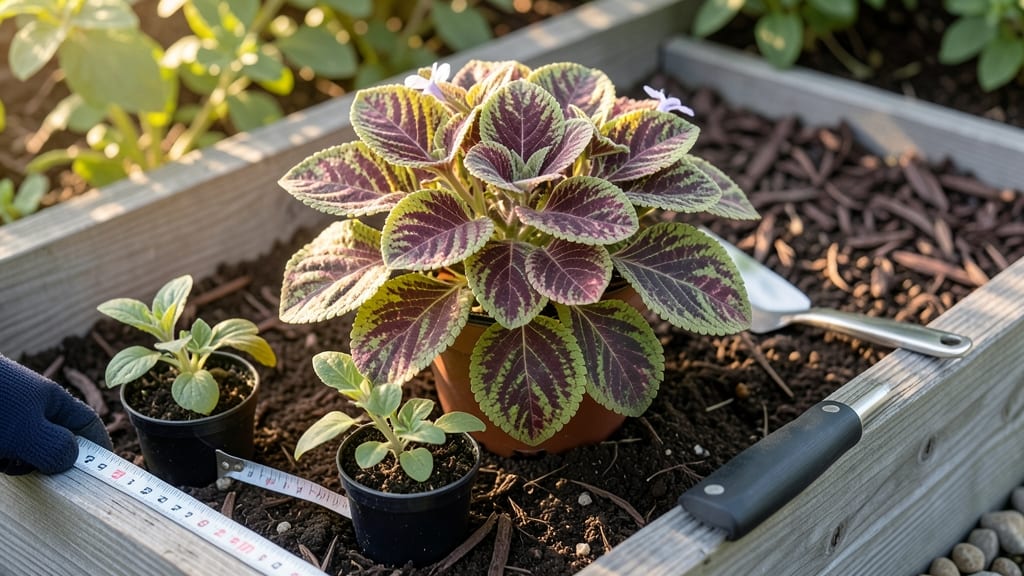
How far apart to plant coleus is the key to unlocking their full, vibrant potential—crowding them too close stunts growth and dulls their colors 🌿. The right spacing makes all the difference between a lush, bushy display and a sad, leggy mess.
Struggling to get your coleus plants to grow full and vibrant? The secret might be hiding in how far apart you’re planting them. Too close, and they’ll fight for sunlight and nutrients, leaving you with sparse, weak stems.
Too far apart, and you’ll end up with gaps in your garden beds or containers where nothing else will thrive.
Most coleus varieties need 12 to 18 inches between plants to thrive, but dwarf types can get by with just 8 to 12 inches. Trailing varieties, on the other hand, might need a little more room to spread out.
The key is balancing airflow, sunlight exposure, and root space to encourage that bushy, colorful growth you love.
In this guide, I’ll break down the exact spacing you need for different coleus types, how to adjust for containers vs. in-ground planting, and even a few creative layouts to make your coleus display pop. Let’s get those plants growing the way they should!

Optimal coleus plant spacing by variety type for maximum bushiness
If you’ve ever planted coleus and ended up with sparse, leggy stems instead of lush foliage, your spacing might be the culprit. Coleus thrives on proper airflow and sunlight exposure, which means spacing isn’t just about aesthetics—it’s about plant health and bushiness.
Different varieties need different spacing to reach their full potential, whether you're planting in containers or garden beds.
The key to vibrant coleus lies in understanding how plant density affects growth. Overcrowding leads to competition for nutrients and light, while spacing plants too far apart can leave gaps in your garden.
Let’s break down the ideal spacing for dwarf, standard, and trailing coleus varieties to ensure your plants grow full and colorful all season long.
For dwarf coleus varieties, like ‘Mini Kim’ or ‘Dwarf Congo,’ spacing them 8–12 inches apart in garden beds ensures they fill out without competing for resources. In containers, you can get away with 3–5 plants per 10-inch pot, creating a dense, colorful display.
These compact varieties thrive in partial shade, so avoid placing them in full sun, which can scorch their delicate leaves.
When planting standard coleus varieties, such as ‘Black Dragon’ or ‘Wagon Wheel,’ give them 12–18 inches of space in garden beds. This spacing allows their bushier growth habit to flourish without overcrowding.
In containers, opt for 1–2 plants per 12-inch pot to prevent root competition. These varieties also prefer partial shade, but they can tolerate slightly more sun than dwarf types.
Trailing coleus, like ‘Rainbow Romance’ or ‘Sweet Caroline,’ need a different approach. If you’re planting them in hanging baskets or containers, space them 10–14 inches apart to allow their vines to cascade beautifully. In garden beds, they can be spaced 12–18 inches apart if you’re using them as ground cover. These varieties love bright indirect light and will trail elegantly when given enough room to spread.
If you’re planting coleus in containers or raised beds, remember that root competition is even more critical than in garden beds. Overcrowding in pots leads to stunted growth and yellowing leaves, while undercrowding wastes space.
For example, a 14-inch pot can comfortably hold 3 standard coleus plants, but only 1–2 trailing varieties due to their sprawling habit.
Another pro tip: Stagger your planting if you’re creating a border or edge. Plant 1–2 inches deeper than the root ball and space them slightly closer together (6–8 inches apart) to create a denser, fuller look over time.
This technique works especially well for dwarf and semi-dwarf varieties in mixed containers.
For maximum bushiness, avoid the temptation to plant coleus too closely, even if your garden looks sparse at first. Proper spacing ensures better airflow, which reduces the risk of fungal diseases like powdery mildew.
It also allows each plant to access sunlight from multiple angles, leading to brighter, more vibrant foliage. Think of spacing as an investment in your coleus’s future health and beauty.
Finally, don’t forget that pruning plays a role in spacing. Regularly pinch back the tips of new growth to encourage branching, especially in standard and trailing varieties. This practice helps your coleus fill out more quickly, making up for any initial gaps in spacing.
With the right spacing and a little pruning love, your coleus will reward you with a lush, colorful display all season long.
How coleus spacing affects growth: common mistakes and fixes
Your coleus plants might look stunning in the nursery, but once you bring them home and plant them too close together, their growth can quickly spiral out of control. Overcrowding forces plants to compete for nutrients and sunlight, leading to weak stems that flop over and leaves that turn yellow or brown at the edges.
I’ve seen beautiful coleus varieties like 'Black Dragon' or 'Wagon Wheel' become sad, leggy shadows of themselves because they were planted too tightly.
The opposite problem—planting coleus too far apart—creates unsightly gaps in your garden beds or containers.
While this might seem like a "better" problem, it wastes space and prevents your plants from forming that lush, bushy look we all love. Proper spacing isn’t just about aesthetics; it’s about giving each plant room to thrive and develop the vibrant foliage that makes coleus so popular.
⚠️ WARNING: Common Coleus Spacing Mistakes ⚠️
- Weak stems that flop or break easily
- Yellowing leaves from nutrient competition
- Increased pests like spider mites in crowded areas
- Sparse foliage with bare stems
- Wasted garden space and uneven displays
- Poor air circulation when packed in containers
🌱 Ideal spacing: 12–18 inches apart for standard coleus, 8–12 inches for dwarf varieties, and 6–10 inches for trailing types in containers.
If you’ve already planted your coleus and notice yellowing leaves or stretched stems, it’s not too late to fix the spacing. Start by gently removing some plants and replanting them in their own pots or in a new location.
This might sound drastic, but it’s better than watching your coleus struggle. For container gardens, thin out the most crowded plants and use the extra stems as cuttings for propagation—it’s a win-win!
To encourage bushier growth, prune your coleus regularly by pinching back the tips of the stems. This trick tells the plant to focus on growing wider rather than taller.
I like to do this every 4–6 weeks during the growing season, especially after a good rain or when I’m fertilizing. Pruning also helps improve air circulation, which reduces the risk of fungal diseases like powdery mildew that can plague overcrowded coleus.
Another pro tip: If you’re growing coleus in containers, choose larger pots (at least 12–14 inches wide) to give roots room to spread. Smaller pots force roots to compete, leading to the same problems as overcrowding in garden beds.
And remember, coleus loves partial shade, so avoid planting them in areas where they’ll bake in full sun all day—this stress can mask spacing issues and make plants look even worse.
With the right spacing and a little TLC, your coleus will reward you with bold, colorful foliage all season long. Whether you’re filling a garden bed, lining a patio, or spilling over a hanging basket, getting the spacing right is the first step to coleus success. Happy planting! 🌿