
Planting
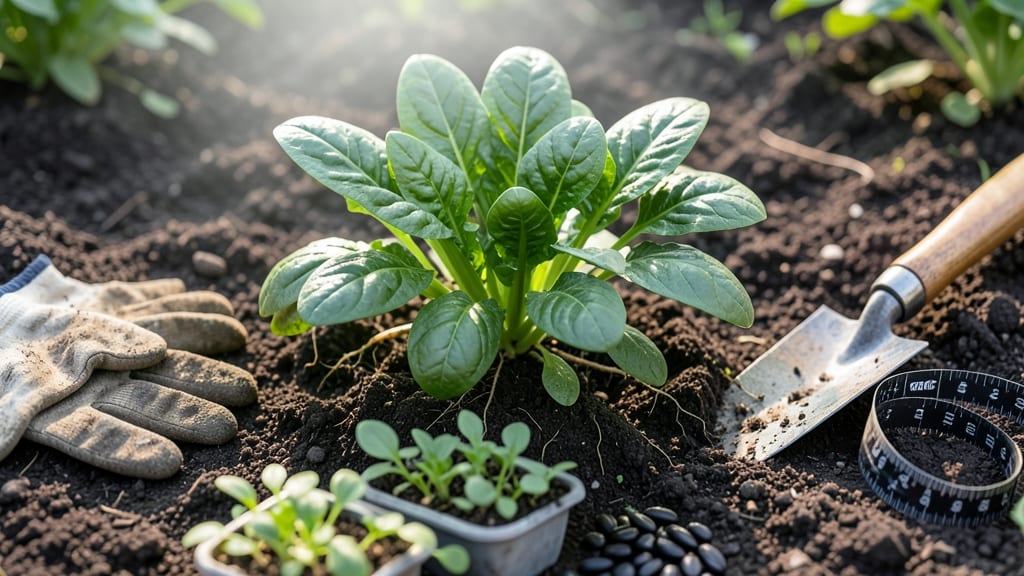
Planting spinach at the right depth ensures fast germination and a bountiful harvest—too shallow, and seeds dry out; too deep, and they rot before sprouting.
Struggling with patchy spinach growth? The secret to lush, fast-sprouting spinach starts with planting depth—get it wrong, and you’ll waste seeds or delay harvests. Here’s the science-backed guide to planting spinach seeds at the perfect depth for maximum germination and yield.
Most gardeners swear by ½-inch depth for spinach seeds, but soil type and seed size matter. Sandy soil needs slightly deeper planting, while clay holds moisture longer, allowing shallower placement. Whether you’re direct-sowing or transplanting, consistency is key to avoiding uneven sprouts.
Below, I’ll walk you through the exact planting depth for your spinach variety, plus pro tips for soil prep, spacing, and post-planting care to keep your greens thriving from seed to harvest.

Optimal spinach planting depth by seed type: seeds vs. transplants
Getting the planting depth right for spinach is non-negotiable if you want fast, even germination. Unlike hardy transplants, spinach seeds are delicate—bury them too deep, and they’ll rot; plant them too shallow, and they’ll dry out before sprouting.
The ideal depth depends on whether you’re using flat seeds, round seeds, or transplants, plus your soil type. Let’s break it down so you can plant with confidence and avoid the common pitfalls that lead to patchy growth.
Most spinach varieties come as flat seeds (like 'Bloomsdale Long Standing') or round seeds (like 'Tyee'). Flat seeds need slightly shallower planting because they’re thinner and require less soil coverage to access light. Round seeds, on the other hand, can handle a tad more depth.
Transplants, which already have established roots, have different rules entirely. Below, I’ll show you the exact depths for each scenario, plus how to adjust for sandy soil (which drains fast) versus clay soil (which holds moisture longer).
Why depth matters: Spinach seeds need consistent moisture and light to germinate. Planting too deep (beyond ½ inch) starves them of oxygen, while planting too shallow (¼ inch) risks drying out. The right depth ensures 90%+ germination rates within 7–14 days, compared to 50% or less if you guess wrong. Don’t skip this step—it’s the difference between a thriving patch and wasted seeds.
| Seed/Plant Type | Ideal Depth | Germination Rate | Soil Adjustments |
|---|---|---|---|
| Flat Spinach Seeds | ¼–½ inch (0.6–1.3 cm) | 85–95% in 7–10 days | Sandy: ⅛" deeper; Clay: ⅛" shallower |
| Round Spinach Seeds | ½ inch (1.3 cm) | 80–90% in 10–14 days | Sandy: ½" max; Clay: ⅜" max |
| Spinach Transplants | Same as seedling depth (1–2 inches deep) | 95%+ if roots intact | Loosen soil 2x transplant depth |
For flat seeds, aim for ¼–½ inch deep. Use your finger as a guide: press the seed into the soil until it’s just covered by your fingertip knuckle.
If you’re planting in sandy soil, which drains quickly, go for the shallower end (¼ inch) to prevent drying. In clay soil, which stays moist longer, you can plant up to ½ inch deep without risking rot.
Pro tip: Use a seed spacing tool or the handle of a spoon to create consistent furrows—this ensures every seed gets the same depth treatment.
Round seeds, like those from 'Tyee' or 'Space' varieties, can handle a slightly deeper planting of ½ inch. Their thicker seed coats store more moisture, so they won’t dry out as quickly.
However, if your soil is sandy or rocky, stick to ⅜ inch max to avoid burying them too deep. Always water gently after planting to settle the soil around the seeds without displacing them.
A mist setting on your hose or a watering can with a fine rose works best.
Transplants are a game-changer for fast harvests, but their planting depth is often misunderstood. Unlike seeds, transplants already have roots, so you need to bury them deeper than the soil line they came in at.
Aim to plant them at the same depth they were in their nursery pot, which is usually marked by a line or the base of the stem. If you bury the stem too deep, it can rot; if you plant too shallow, the roots won’t anchor properly.
For spinach, this means digging a hole 1–2 inches deep and gently teasing out the roots before placing the transplant in.
Soil type plays a huge role in adjusting depth. In sandy soil, which lacks moisture retention, seeds need to be planted shallower to prevent them from drying out before germination.
If you’re working with clay soil, which can suffocate seeds if too compacted, loosen the top 2 inches of soil and plant seeds slightly deeper (up to ½ inch) to take advantage of its moisture-retaining properties.
Always test your soil’s drainage first: dig a hole, fill it with water, and time how long it takes to drain. If it’s gone in under an hour, you’ve got sandy soil; if it’s still wet after 6 hours, it’s clay.
Germination rates drop dramatically when depth is off. For example, planting flat seeds at ½ inch deep in sandy soil can reduce germination from 90% to 60% because the seeds dry out too quickly.
Conversely, planting round seeds at ⅝ inch deep in clay soil might slow germination to 14–21 days instead of the usual 10–14 days. To maximize your success, always adjust depth based on your soil type and seed shape. And remember: consistency is key.
Use a ruler or measuring stick to check your depth after every few rows.
One final tip: If you’re planting in cool weather (below 70°F), which is ideal for spinach, germination will be faster and more reliable at the shallower end of the depth range (¼ inch). Warmer soil speeds up germination but also increases the risk of drying out, so
Step-by-step guide to planting spinach at the right depth for fast germination
Getting your spinach seeds at the perfect planting depth is the difference between a thriving garden and wasted effort. Too shallow, and they’ll dry out; too deep, and they’ll struggle to break through the soil.
My go-to method uses simple finger measurements and a few essential tools to ensure consistent, fast germination every time.
Before you even grab your seeds, prepare your soil by loosening it to a depth of 6 inches and mixing in compost for nutrients. Spinach prefers soil that’s moist but well-draining, so avoid heavy clay unless amended.
For best results, plant in cool weather (50–75°F) when frost isn’t a threat.
- 1
- 2
- 3
- 4
- 5
After planting, use a mulch layer (like straw) to retain moisture and suppress weeds. Spinach is a cool-season crop, so avoid planting in hot summer months—it’ll bolt quickly. If you’re transplanting, harden off seedlings for 5–7 days before moving them outdoors.
Monitor your spinach for even sprouting. If germination is slow, check soil moisture and temperature—spinach needs consistent moisture and cool soil (below 80°F) to thrive. With the right depth and care, you’ll see fast, uniform growth in just a few weeks! 🥬