
Planting
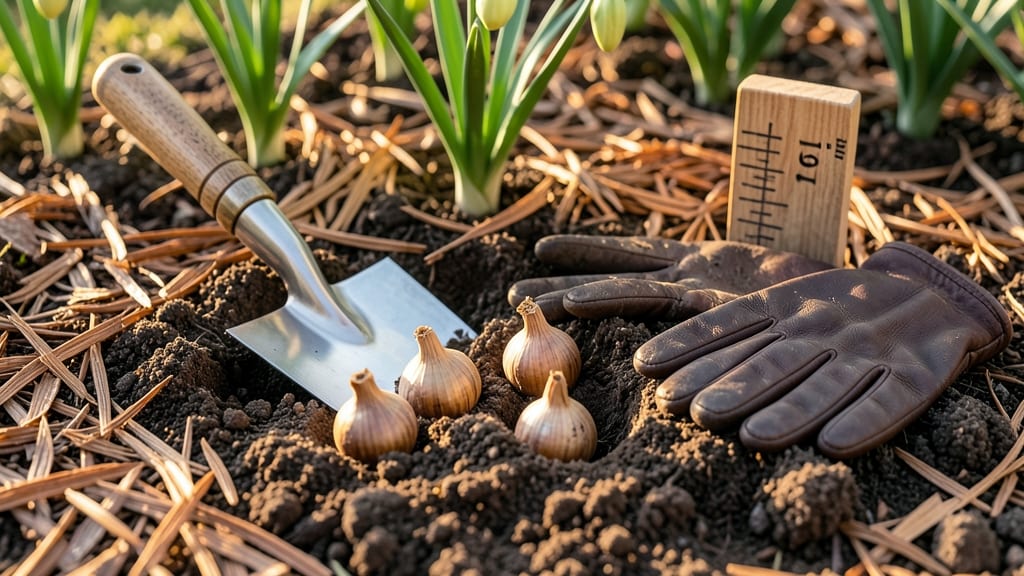
Planting daffodil bulbs at 6 inches deep in the ground unlocks the secret to stronger blooms and healthier plants 🌼 — and getting it wrong can mean years of missed spring color.
Here’s the truth: too shallow, and your bulbs rot before they even sprout. Too deep, and you’ll wait forever for those cheerful yellow trumpets to appear. The 6-inch rule isn’t just a suggestion—it’s the science-backed sweet spot for daffodils in USDA Zone 6a and beyond.
In this guide, I’ll break down exactly how to measure depth, adjust for your soil type (clay, sandy, or loamy), and spot the warning signs when something’s off.
Whether you’re a first-time gardener or a seasoned pro, these tips will help your daffodils thrive from fall planting to spring blooms.
Ready to dig in? You’ll learn the 3-step method for perfect planting, plus how to fix common mistakes without losing your bulbs. Let’s get growing!

The perfect daffodil bulb planting depth explained: why 6 inches works best
When planting daffodil bulbs, the 6-inch depth isn’t just a random number—it’s a science-backed measurement designed to protect your bulbs while encouraging strong root growth. This depth ensures bulbs stay safe from freezing temperatures in winter while allowing roots to access moisture and nutrients without rotting.
Understanding why this rule works is key to growing healthy daffodils that return year after year.
The 6-inch rule aligns perfectly with the natural anatomy of daffodil bulbs. Most daffodil bulbs are about 3 inches tall, so planting them twice their height (6 inches) creates an ideal balance.
This depth keeps the bulb’s top just below the frost line in winter while allowing roots to spread freely downward, accessing deeper soil moisture. Shallower planting risks frost damage, while deeper planting can suffocate the bulb and stunt growth.
Soil composition plays a crucial role in determining the perfect planting depth. In loamy soil, which drains well but retains moisture, the standard 6-inch depth works perfectly. However, in sandy soil, you might need to plant slightly deeper (6-7 inches) to retain moisture, while in clay soil, a shallower depth (5 inches) may be better to prevent waterlogging. Always adjust based on your soil’s drainage characteristics.
Here’s a quick reference for daffodil bulb planting depth based on soil type and bulb size:
The 6-inch depth also ensures optimal root growth by allowing roots to spread downward while keeping the bulb itself insulated. Daffodil roots grow best in cooler soil layers, and planting too shallow can expose the bulb to temperature fluctuations, leading to poor growth or even death.
Conversely, planting too deep can restrict root expansion and lead to stunted blooms or no flowers at all.
One common misconception is that larger daffodil bulbs need deeper planting. However, the rule remains the same: plant bulbs at twice their height, regardless of size. For example, a 3-inch bulb should always go 6 inches deep, while a 4-inch bulb should be planted 8 inches deep.
This consistency ensures the bulb’s growth point stays at the right depth for healthy development.
Another critical factor is the orientation of the bulb. Always plant daffodils with the pointy end up—this is where the shoot will emerge. If planted upside down, the bulb may not sprout at all or could produce weak, deformed growth.
Mark your planting holes with a small stick if you’re unsure, or use a bulb planter to ensure proper depth and orientation every time.
Proper planting depth also affects flowering time. Daffodils planted at the correct depth typically bloom 2-3 weeks earlier than those planted too shallow or deep.
This is because the right depth allows the bulb to store energy efficiently over winter, leading to stronger stems and more vibrant blooms in spring. If you notice your daffodils blooming late or not at all, revisit your planting depth as a potential cause.
To test whether your soil is ready for planting, perform a simple soil moisture test. Dig a small hole where you plan to plant, add water, and observe how quickly it drains.
If water pools at the bottom after 30 minutes, your soil is too dense, and you should plant shallower. If the hole dries out immediately, your soil is too sandy, and you may need to plant deeper or amend the soil with organic matter.
Finally, remember that mulching can help maintain the ideal planting depth by insulating the soil and protecting bulbs from extreme temperatures. Apply a 2-3 inch layer of mulch after planting to retain moisture and regulate soil temperature, especially in regions with harsh winters or scorching summers.
This extra layer of protection ensures your daffodils thrive year after year.
Adjusting planting depth for different soil types: clay, sandy, and loamy adjustments
The standard 6-inch planting depth for daffodil bulbs works beautifully in ideal loamy soil, but your local soil type can drastically change the equation. Heavy clay soil holds moisture too long, while loose sandy soil drains too quickly—both can stress your bulbs if you don’t adjust.
Let’s break down how to modify planting depth for each soil type to ensure your daffodils thrive.
First, test your soil by squeezing a handful. If it forms a tight ball that cracks when dropped (clay), plant bulbs shallower (4-5 inches).
If it crumbles instantly (sandy), go deeper (7-8 inches). Loamy soil (the happy medium) stays at the classic 6 inches. The key is balancing moisture retention with root expansion—too deep risks rot, while too shallow stunts growth.
Drainage is critical. Clay soil’s poor drainage forces bulbs to sit in soggy conditions, while sandy soil’s rapid drainage can leave roots thirsty. Adjusting depth helps compensate: shallower in clay prevents waterlogging, while deeper in sand ensures roots reach moisture. Always plant with the pointy end up and cover with organic mulch to stabilize soil moisture.
| Soil Type | Planting Depth | Adjustment Reason | Drainage Risk |
|---|---|---|---|
| Clay | 4–5 inches | Prevents waterlogging | High (slow drainage) |
| Sandy | 7–8 inches | Reaches moisture deeper | Low (fast drainage) |
| Loamy | 6 inches | Balanced moisture/roots | Moderate (ideal) |
For clay-heavy soils, mix in compost or sand to improve drainage before planting. In sandy soils, amend with peat moss or coconut coir to retain moisture.
Loamy soil? Skip amendments unless your test shows poor structure—just stick to the 6-inch rule and focus on mulching to protect bulbs over winter.
Pro tip: Use a soil probe or trowel to mark your planting depth before placing bulbs. This prevents guesswork and ensures consistency, especially if you’re planting multiple rows. After planting, water deeply to settle the soil and eliminate air pockets around the bulbs.
Remember, depth adjustments are soil-specific, but all daffodil bulbs need well-draining conditions. If your soil is unknown, start with the 6-inch standard and observe next spring’s growth. Yellowing leaves or weak stems often signal drainage issues—time to tweak your approach for next year!