
Planting
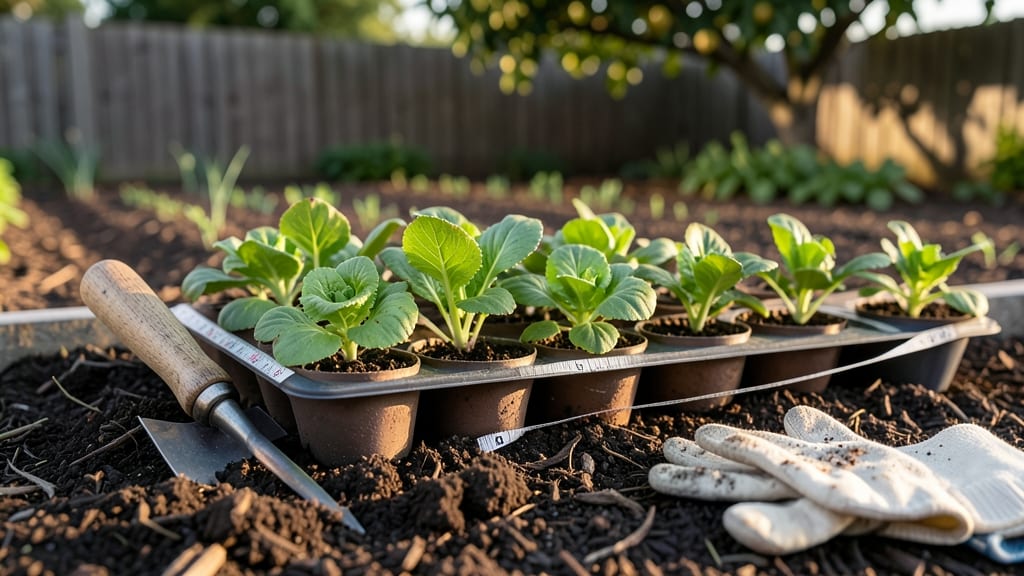
How close to plant lettuce is the difference between a thriving garden and a sad, stunted 🥬 crop.
You’ve got your seeds, your soil, and your sunny spot—but if you’re crowding your lettuce like sardines, you’ll end up with weak plants, disease, and a harvest that’s more frustration than feast.
The good news? Getting the spacing right is easier than you think, and it all comes down to whether you’re growing loose-leaf greens or tight-headed varieties.
Loose-leaf lettuce like butterhead or oakleaf can handle a little coziness, while head lettuce (think romaine or iceberg) needs room to form those crisp, perfect heads. Too close, and you’ll fight slugs and rot; too far apart, and you’ll waste space on a patchy bed.
Here’s how to nail it for both types, plus the sneaky tricks to fix overcrowded beds without losing your crop.
By the end, you’ll know exactly how many inches to leave between each plant, how to adjust for containers or raised beds, and why thinning isn’t just a chore—it’s your secret weapon for bigger, healthier lettuce. Let’s get started.

Optimal lettuce spacing by variety: loosehead vs. leaf lettuce compared
Getting the lettuce spacing right is the difference between a thriving crop and one that struggles with disease or stunted growth. Loosehead varieties like iceberg and romaine need more room to form tight heads, while leaf lettuces like butterhead and oakleaf can handle closer spacing for continuous harvests.
Let’s break down the exact distances for both types to maximize your yield.
Why does spacing matter? Overcrowding leads to poor air circulation, inviting fungal diseases like downy mildew. Meanwhile, planting too far apart wastes space and reduces your harvest. For in-ground gardens, row spacing is just as critical as plant-to-plant distance.
In containers, you’ll need to adjust spacing to fit the pot’s dimensions while still allowing airflow.
Here’s the key difference: loosehead lettuce varieties need 12-18 inches apart to develop full, compact heads, while leaf lettuce can thrive with 6-12 inches of space for continuous leaf harvesting. Row spacing also varies—12-18 inches for loosehead and 8-12 inches for leaf types.
For loosehead varieties, like iceberg lettuce, the 12-18 inch spacing ensures each plant has enough nutrients and airflow to develop a crisp, compact head. If you’re growing romaine, stick to the wider end of this range—16-18 inches—since it tends to grow taller and broader.
Thin seedlings early to avoid competition, or you’ll end up with small, bitter heads.
Leaf lettuces, on the other hand, are more forgiving. Butterhead varieties like Bibb lettuce can handle 8-12 inches of space, while oakleaf types thrive with even closer spacing—6-10 inches.
This tighter spacing works because you’re harvesting leaves continuously rather than waiting for full heads. Just be sure to harvest outer leaves first to encourage regrowth and avoid overcrowding.
Containers require special attention. A 5-gallon pot can comfortably hold 1 loosehead plant or 2-3 butterhead plants, but you can fit 4-5 leaf lettuce plants in the same space. Use well-draining soil and fertilize lightly every 3-4 weeks to prevent nutrient competition.
If your containers are smaller, reduce the number of plants proportionally—1 plant per 1 gallon of soil is a safe rule of thumb.
Adjust your spacing based on your growing conditions. In hot climates, lettuce bolts faster, so closer spacing (like 6-10 inches) can help shade the soil and retain moisture. In cool, humid areas, widen the spacing to 14-18 inches to improve air circulation and reduce disease risk.
Always monitor your plants—if they look leggy or pale, they’re likely too crowded.
Pro tip: Use succession planting to maximize your space. Sow leaf lettuce every 2 weeks in the same spot, harvesting outer leaves as new seedlings sprout. This method keeps your garden productive without overcrowding. For <
5 Critical factors that change your lettuce spacing needs
Lettuce spacing isn’t one-size-fits-all—your climate, soil type, and even sunlight exposure dramatically shift what works. I’ve learned the hard way that cramming lettuce too close in humid zones leads to fungal rot, while spacing them too wide in dense soils wastes space.
Let’s break down the 5 game-changers that force you to adjust your spacing plan.
First, consider your growth stage. Seedlings need 1-inch spacing to avoid competition, but mature romaine or butterhead varieties demand 12-18 inches for full heads. Skipping this adjustment is why many gardeners end up with stunted or bolting lettuce.
Even succession planting requires tweaks—fall crops often need tighter spacing to mature before frost.
Here’s my numbered checklist for adjusting spacing based on real-world conditions:
- 🌡️ Climate Zone: Hot/dry = 18-inch spacing (prevents bolting); cool/moist = 12-inch spacing (slower growth).
- 🪴 Soil Density: Clay-heavy = 15-inch spacing (roots struggle); loamy = 12-inch spacing (ideal drainage).
- ☀️ Sunlight: Full sun = 16-inch spacing (faster growth); partial shade = 10-inch spacing (slower expansion).
- 💧 Humidity: High humidity = 18-inch spacing (reduces fungal risk); arid = 12-inch spacing (conserves moisture).
- ⏰ Succession Planting: Spring crops = 14-inch spacing; fall crops = 10-inch spacing (rush to maturity).
Don’t overlook container gardening—it’s where spacing mistakes happen most. In 5-gallon pots, plant 4-6 lettuce seeds per container (thin to 2-3 plants), but in 10-gallon pots, stretch to 9-inch spacing. The key is airflow: crowded containers trap moisture, inviting downy mildew.
I once saw a gardener plant iceberg lettuce just 6 inches apart in full sun—result? Tiny, bitter heads and 90% yield loss. The fix? Thin aggressively and space remaining plants 18 inches apart.
For leaf lettuce, you can cheat slightly (8-inch spacing) since you’ll harvest leaves continuously, but even then, overcrowding leads to bolting.
Pro tip: Use a spacing template (a grid of sticks or string) to visualize adjustments. Mark your mature plant size on the grid—this forces you to account for root spread and leaf canopy.
For example, romaine spreads 12 inches wide, while oakleaf stays compact (8 inches). Adjust your template for high-value varieties like Little Gem or Black Seeded Simpson—they’re worth the extra space.
Remember: Spacing isn’t static. Monitor your lettuce’s growth rate and leaf density—if you see yellowing between plants, it’s time to thin. And if your humidity spikes unexpectedly? Widen your spacing immediately to prevent disease outbreaks.
Your lettuce will thank you with crisp, disease-free leaves and a bountiful harvest.