
Planting
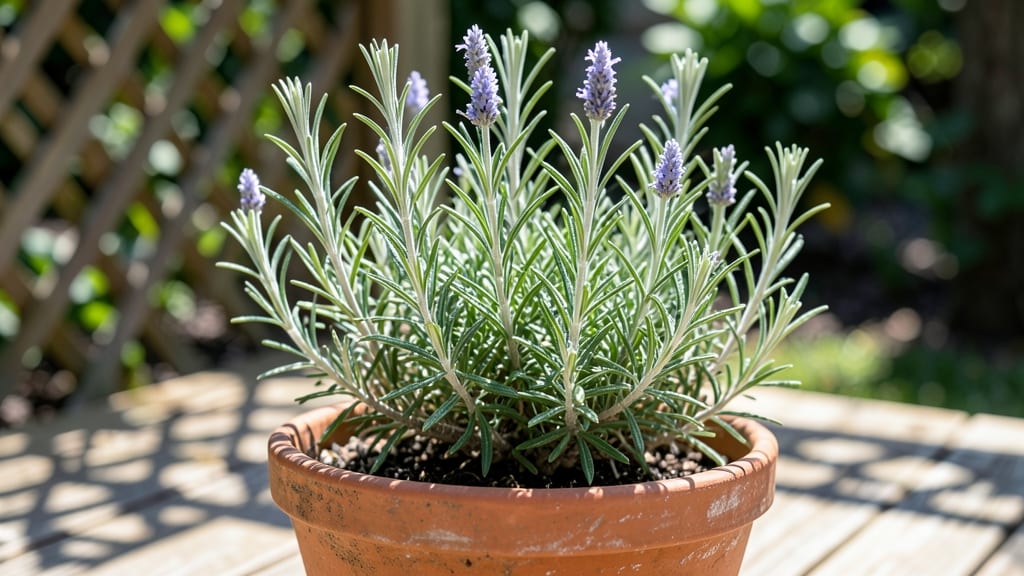
Growing a holiday rosemary plant means bringing that pine-fresh scent indoors all year. 🌿 I've learned the secret to keeping it lush through winter—it’s all about light, water, and a little holiday cheer.
This isn’t your average rosemary; it’s bred to handle indoor conditions and even looks festive with its compact, fragrant foliage.
The key is treating it like a houseplant during the colder months—bright indirect light, letting the soil dry slightly between waterings, and avoiding drafts. Most people overwater it, thinking it needs more moisture, but holiday rosemary hates soggy roots.
A south- or west-facing window works best, or supplement with a grow light if your space is dim.
By December, your plant will smell like a Christmas morning, and you’ll have fresh sprigs for wreaths, potpourri, or cooking. The needles stay aromatic for months, making it the perfect dual-purpose plant. Plus, it’s one of the few herbs that actually thrives indoors without fuss.
Whether you’re gifting it or keeping it as a centerpiece, this rosemary stays productive year-round with minimal effort. Here’s how to make it last through all the holidays—and beyond.
📚 In This Guide
- What you need
- Instructions
- Tips and common mistakes
- Wrapping up and next steps
What you need
- ● Rosemary plant: 1 healthy, potted rosemary (preferably Rosmarinus officinalis—look for varieties like 'Arp' or 'Hill Hardy' for cold tolerance).
- ● Containers: 1–2 pots (5–7 inches in diameter) with drainage holes (terracotta or ceramic work best).
- ● Well-draining potting mix: 2–3 gallons of a blend like cactus/succulent mix or a 50/50 mix of potting soil and perlite/sand.
- ● Gravel or pebbles: Small stones for the pot’s drainage layer (1–2 inches).
- ● Pruning shears: Sharp, clean shears (sterilize with rubbing alcohol).
- ● Watering can or spray bottle: For gentle hydration (avoid soggy soil!).
- ○ Fertilizer (optional but helpful): Balanced liquid fertilizer (e.g., 10-10-10) or
- ● Slow-release granular fertilizer (like osmocote) for long-term growth.
- ● Mulch: Pine bark or straw to retain moisture and add a rustic holiday touch.
- ● Grow lights: LED full-spectrum lights (12–14 hours/day) if placing indoors near a window.
- ● Humidity tray: A pebble tray with water to boost air moisture in dry winter air.
- ● Decorative elements: Festive pot wraps, ribbons, or mini ornaments for a holiday-themed look!
Step-by-Step guide to growing a year-round holiday rosemary plant
This fragrant evergreen becomes your holiday centerpiece—and keeps giving all year.
🌱 Step 1: Choose and Prepare Your Rosemary Plant
Start with a healthy 4-inch rosemary plant from a nursery or garden center. Look for stems with silver-green needles and no brown or yellow patches—those signal stress. I always check the roots too; they should be white and firm, not mushy or dried out. If you're starting from seed, it takes 6-8 months to reach this size, so buying a starter plant saves months of waiting.
Before planting, trim any woody or leggy growth with clean pruning shears. This encourages bushier growth and prevents the plant from looking wild. Cut just above a leaf joint where new growth will emerge. You'll see fresh green shoots appear within 2-3 weeks—that's your sign the plant is healthy and ready to thrive.
☀️ Step 2: Plant in the Right Spot for Year-Round Success
Rosemary needs full sun—at least 6 hours daily—to stay fragrant and compact. A south-facing window or outdoor spot gets the best results. If you're growing indoors, place it near a bright window or under grow lights for 12-14 hours a day. I use a south-facing patio in summer and move it indoors near a sunny window in winter—this keeps it happy year-round.
Use a well-draining potting mix (never garden soil) in a pot with drainage holes. The 6-inch pot size works for now, but rosemary grows slowly, so you won’t need to upgrade for at least 2 years. Fill the pot halfway, place the plant in, and add more mix around the roots. Press gently to remove air pockets—this helps roots establish faster.
💧 Step 3: Water and Feed for Holiday-Ready Fragrance
Water only when the top inch of soil feels dry—rosemary hates soggy roots. Stick your finger in the soil; if it’s damp, wait another day. Overwatering causes root rot, and you’ll know it’s time when the leaves turn yellow or drop off. I water mine once every 7-10 days in winter and every 5-7 days in summer, adjusting for humidity and heat.
Feed with a balanced liquid fertilizer (like 10-10-10) every 4-6 weeks in spring and summer. Skip fertilizer in fall and winter—rosemary grows slowly then, and too much food can weaken the plant. You’ll notice the scent gets stronger after feeding, and the needles stay vibrant green instead of dull.
✂️ Step 4: Prune and Shape for a Festive Look
Prune in early spring to shape the plant and encourage bushiness. Cut back one-third of the longest stems to just above a leaf joint. This prevents the plant from getting too leggy and keeps it compact—perfect for holiday decor. Avoid heavy pruning in fall or winter, as the plant needs energy to survive cooler months.
For a holiday-ready look, trim the plant into a rounded shape or a tiered design (like a small tree). Use sharp shears to make clean cuts, and remove any dead or yellowing branches. The fresh cuts will release more fragrance, making your plant smell amazing when you bring it indoors for the holidays.
🪴 Step 5: Overwinter Indoors for Next Year’s Growth
Before the first frost, bring your rosemary indoors to a cool, sunny spot (like a garage or basement) for 2-3 weeks to harden off. Then move it to a bright indoor window or under grow lights. Reduce watering to every 2-3 weeks—the plant slows down in winter, so less water prevents root rot.
In late winter (around February), resume regular watering and fertilizing. You’ll see new growth in 3-4 weeks, signaling it’s ready for another year of holidays. Keep it pruned lightly to maintain its shape, and by next holiday season, your rosemary will be thriving, fragrant, and ready to decorate again.
Tips & tricks for perfect holiday rosemary care
Here's what nobody tells you about keeping your rosemary thriving through all those festive seasons.
Lighting is Everything: That 6 hours of full sun requirement in Step 2 is non-negotiable for maintaining fragrance. I've seen rosemary lose its signature piney scent when deprived of proper light—it becomes dull and weak. If you're growing indoors, rotate your plant quarter-turn daily so all sides get even exposure. This prevents leggy growth and keeps those silver-green needles vibrant. Trust me, your holiday centerpiece will thank you!
Root Health Secret: In Step 1, when you're checking those roots, pay special attention to the color—white and firm is ideal. If you notice any brown or mushy spots, trim them away immediately with clean shears. I've learned this the hard way after ruining three plants from ignored root rot. The 6-inch pot with drainage holes mentioned in Step 2 is your best defense against this silent killer. Pro tip: Add a handful of perlite to your potting mix for even better drainage.
Pruning Payoff: The 2-3 weeks you wait to see those fresh green shoots after pruning in Step 1 is worth it. This is when you'll notice the real transformation—your rosemary goes from sparse to lush. For holiday shaping in Step 4, I like to create a tiered design by cutting back the longest stems first, then working my way inward. This creates that perfect Christmas tree silhouette while encouraging new growth at the base. The fresh cuts will actually release more fragrance, making your plant smell amazing when you bring it indoors.
Winter Transition Wisdom: That 2-3 weeks hardening off period in Step 5 is crucial for surviving the move indoors. I place my rosemary in an unheated garage during this time to simulate outdoor conditions. This gradual adjustment prevents shock and gives you the best chance for a smooth transition. Once inside, keep it away from heat sources like vents or fireplaces—they create dry air that can stress your plant during its already challenging winter slowdown.
Pro Tips for Holiday Rosemary Plant
- Here's what nobody tells you about keeping your rosemary thriving through all those festive seasons.
- Lighting is Everything: That 6 hours of full sun requirement in Step 2 is non-negotiable for maintaining fragrance.
- Root Health Secret: In Step 1, when you're checking those roots, pay special attention to the color—white and firm is ideal.
Frequently asked questions
Got questions about keeping your holiday rosemary plant happy and thriving? You’re not alone! Here are the answers to common concerns—from care tips to troubleshooting—so you can enjoy its fragrant evergreen beauty all year long.
How do I keep my holiday rosemary plant alive after the holidays?
Rosemary is tough! Move it to a sunny spot (6+ hours of light) and water only when the top inch of soil feels dry. Avoid soggy soil—it hates wet roots. Prune lightly to encourage bushiness, and fertilize sparingly (once in spring) with balanced plant food. With the right care, it’ll thrive for years!
Can I grow holiday rosemary outdoors in winter?
Only if you live in USDA zones 8–10! Rosemary is hardy to about 20°F, but heavy frost or snow will damage it. In colder climates, keep it indoors near a bright window or grow it as an annual. For outdoor plants, mulch the base to protect roots and bring pots inside before freezing temps hit.
What’s the difference between holiday rosemary and regular rosemary?
Holiday rosemary is a compact, ornamental cultivar (like ‘Blue Spires’ or ‘Prostratus’) bred for its dense, fragrant foliage and cold tolerance. Regular rosemary (like ‘Tuscan Blue’) is taller, bushier, and often used for cooking. Both smell amazing, but holiday varieties are perfect for pots and holiday decor!
Why is my holiday rosemary plant turning brown or dropping leaves?
Brown tips? Likely underwatering or low humidity. Yellow leaves or drop-off? Overwatering or root rot. Check soil moisture and adjust watering—rosemary prefers dry spells between drinks. If leaves are crispy, move it to a sunnier spot. A light trim can help revive a stressed plant!
Can I use holiday rosemary for cooking like regular rosemary?
While holiday rosemary is ornamental first, its leaves are edible and aromatic. Use it sparingly in dishes (like roasted meats, potatoes, or bread) since its flavor is milder than culinary varieties. Harvest sprigs by snipping stems just above a leaf node—this encourages new growth!
Still stumped? Drop your question in the comments—we’re happy to help your rosemary thrive!
Wrapping up and next steps
Bringing a holiday rosemary plant into your home isn’t just about adding a festive touch—it’s about cultivating a fragrant, low-maintenance evergreen that keeps giving long after the holidays. With the right care, this versatile plant can thrive year-round, gracing your kitchen with its aromatic charm and culinary potential.
Whether you’re a seasoned gardener or a beginner, this resilient herb is the perfect way to blend beauty, utility, and joy into your space.
Ready to make your rosemary plant a permanent part of your home? Start by repotting it in well-draining soil and placing it near a sunny window—then watch it flourish! 🌿✨